





What Exactly Is Ambali?
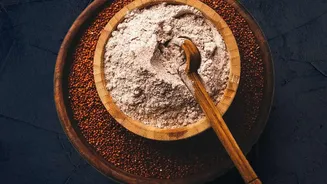
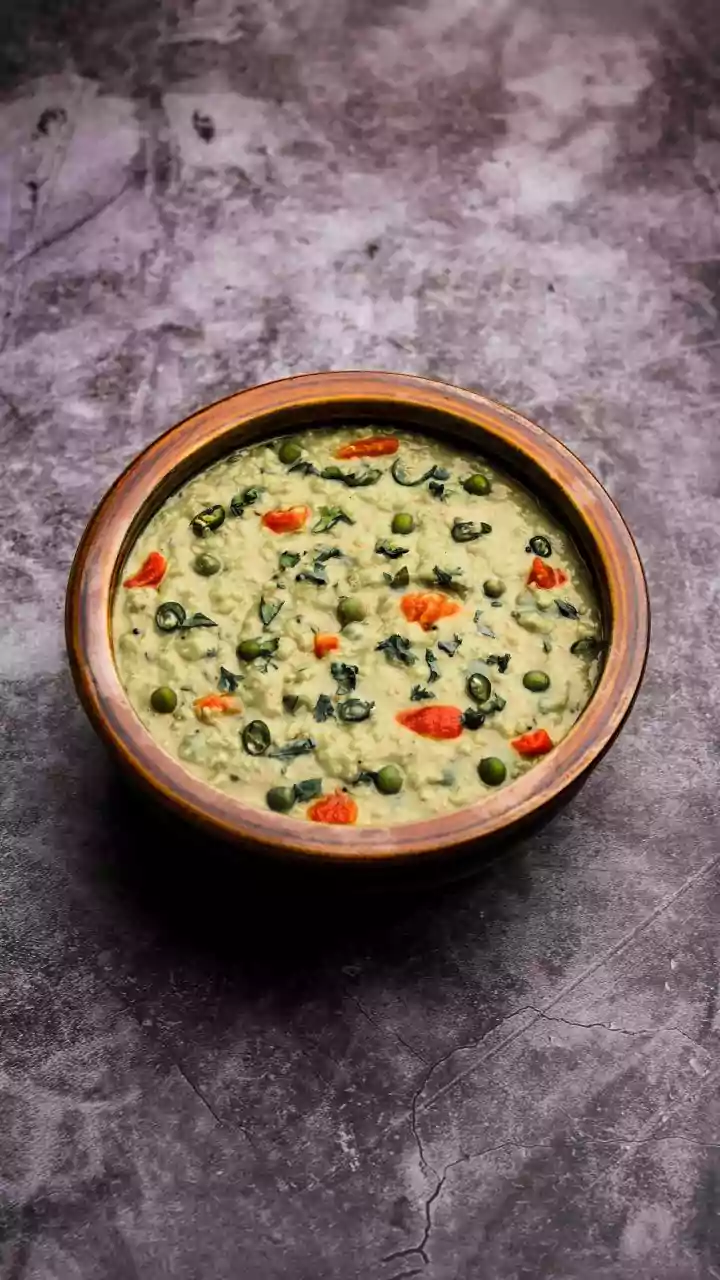
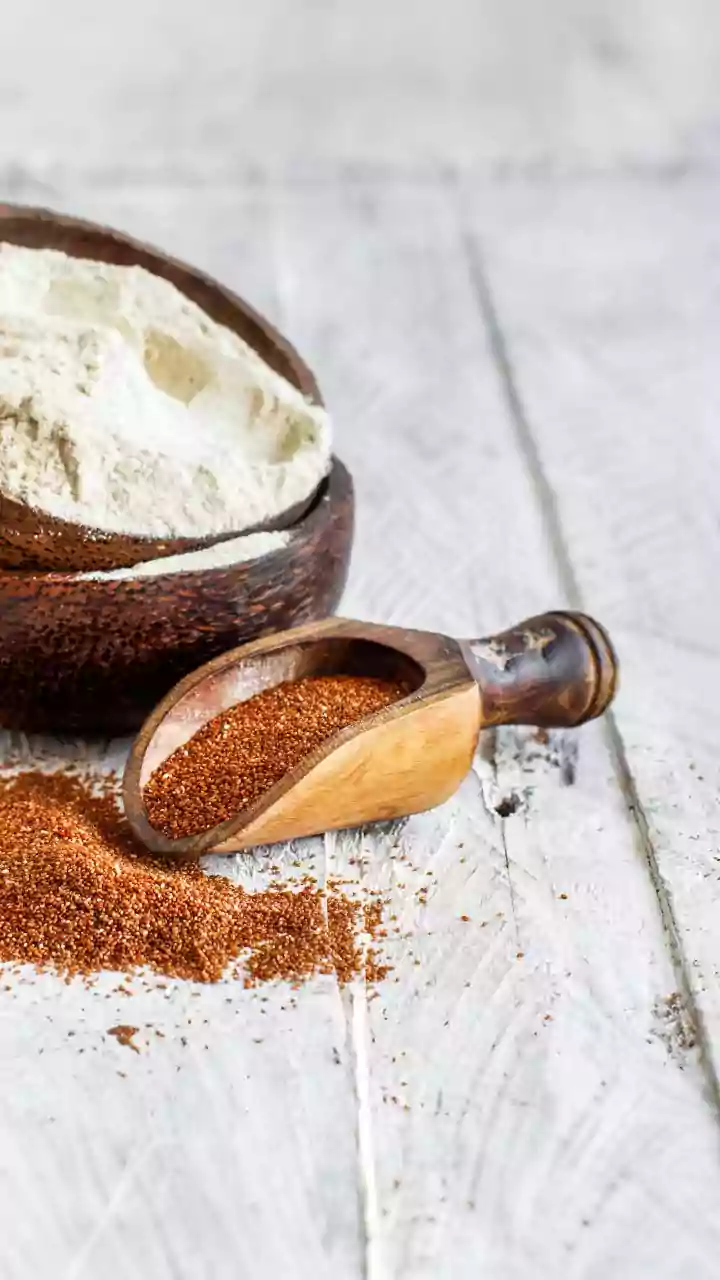
Ambali, also known as ragi ambali or mandia peja, is a fermented beverage with the consistency of a thin porridge, traditionally consumed in southern Indian states like Karnataka, Andhra Pradesh, and Tamil Nadu. Its primary ingredient is finger millet,
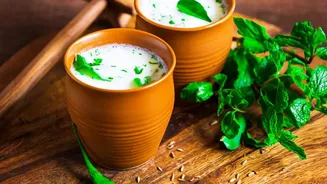
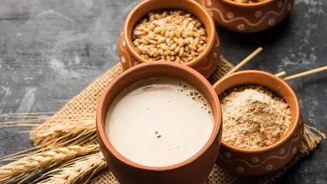
or ragi, a nutrient-dense grain that has been a staple in rural diets for centuries. The process is simple yet effective: ragi flour is cooked into a gruel, allowed to cool, and then left to ferment naturally overnight. This fermentation is often kickstarted with a splash of leftover rice water or buttermilk. Traditionally served savoury with salt, finely chopped onions, and buttermilk, it has long been cherished as a farmer’s drink, valued for its ability to cool the body and provide sustained energy during scorching summers.
A Nutritional Powerhouse Rediscovered
The secret to Ambali's rising popularity lies in its impressive nutritional profile, which aligns perfectly with modern wellness goals. Ragi itself is a powerhouse, naturally gluten-free and packed with calcium, iron, and fibre. The magic, however, happens during fermentation. This ancient process not only makes the nutrients in ragi more bioavailable but also creates a rich source of natural probiotics. These beneficial bacteria are essential for maintaining a healthy gut microbiome, which is linked to improved digestion, stronger immunity, and even better mental health. Unlike sugary, processed beverages, Ambali offers hydration and energy without causing sharp spikes in blood sugar, making it an excellent choice for health-conscious consumers.
From Rural Staple to Urban Elixir
So, how did this rustic cooler find its way into the refrigerators of city dwellers? The trend is fuelled by a growing desire among urban Indians to reconnect with their roots and embrace ancestral wisdom. As awareness about the pitfalls of ultra-processed foods grows, many are turning to traditional, whole-food alternatives that their grandparents swore by. Wellness influencers and food bloggers have played a significant role, popularising forgotten recipes and reframing them for a modern audience. Ambali fits the bill perfectly: it’s natural, gut-friendly, and taps into the global fascination with fermented foods like kombucha and kimchi. For many, drinking Ambali is not just a health choice but a cultural statement—a delicious way to honour their heritage.
The Modern Ambali Makeover
While the traditional savoury version remains popular, urban enthusiasts are also giving Ambali a contemporary twist. Some health cafes are adding it to their menus, and home cooks are experimenting with different preparations. It might be served chilled like a savoury buttermilk, or blended into a breakfast smoothie. The classic preparation involves mixing the fermented ragi porridge with buttermilk, salt, and a tempering of mustard seeds and curry leaves, often garnished with raw shallots for a pungent crunch. This versatility allows it to be adapted to different tastes, whether as a refreshing mid-day drink, a light breakfast, or a post-workout recovery beverage. Its simplicity is its strength; it requires minimal ingredients and aligns with clean-eating principles.