








The New Monsoon Rush
The idea of a monsoon holiday is no longer a niche concept. Once considered the lean season, the period from June to September is now seeing a significant spike in domestic travel. Hotels in popular destinations like Goa, Kerala, and the hill stations
of Uttarakhand and Himachal Pradesh are reporting a sharp rise in bookings. Radisson Hotel Group, for instance, noted that July 2026 bookings are pacing nearly 10% ahead of the previous year. This shift is driven by travellers seeking lush green scenery, cooler temperatures, and fewer crowds. Travel companies are fuelling this trend with attractive deals and campaigns, transforming the rainy season into a powerful travel driver in its own right. The result is a fundamental change in India's tourism calendar, with the monsoon emerging as a third peak season alongside summer and winter.
The Unpredictable Reality of Monsoon Travel
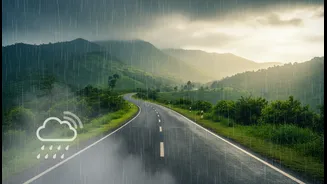
While the allure of a monsoon trip is undeniable, the risks are very real and can disrupt the most carefully planned itinerary. Heavy rainfall, especially in the Himalayan and Northeastern states, can trigger landslides, flash floods, and road closures, sometimes for days. Cities are not immune either, with sub-par drainage systems often leading to waterlogged streets that can halt all movement. Air travel is also frequently affected, with flight delays and cancellations common due to poor visibility and storms. These weather events are not just inconveniences; they can pose serious safety concerns and lead to logistical nightmares, including power outages and unreliable internet access, particularly in rural areas.
Your Smart Booking Checklist: Flexibility is Key
In this new era of monsoon travel, your booking strategy must prioritise flexibility. When booking flights and hotels, actively seek out and pay extra for refundable or flexible options if necessary. Read the fine print carefully. A 'flexible' ticket might only offer a credit for future travel rather than a full refund, which may not be helpful if your entire trip is derailed. It's wise to book accommodations that have good reviews for their monsoon-season service, including amenities like backup power and good drainage. Given the possibility of being stuck indoors, look for properties with engaging indoor activities or good restaurants. The core principle is to build buffer days into your itinerary and maintain a flexible mindset, allowing you to adapt to sudden changes without stress.
De-Risking Your Trip with the Right Insurance
Travel insurance is no longer an optional add-on but an essential tool for monsoon travel. Standard policies may not be enough. When purchasing a plan, ensure it explicitly covers disruptions caused by weather events and natural disasters. Look for coverage that includes trip cancellations and interruptions, reimbursing you for non-refundable expenses like flights and hotel bookings. Policies that cover flight delays are also critical, providing compensation for extended waits. Given the increased risk, consider a 'Cancel for Any Reason' (CFAR) policy if available. While more expensive, it offers the highest level of protection, allowing you to recoup a significant portion of your costs if you decide to cancel for reasons not covered by standard plans. Always review the policy wording to understand the specific conditions and limits of your coverage.
Tech on Your Side: Weather and Alert Apps
Modern technology offers powerful tools for staying ahead of the weather. Before and during your trip, make it a habit to check forecasts frequently. For India-specific information, the government's official MAUSAM app, developed by the India Meteorological Department (IMD), is one of the most accurate resources for forecasts and severe weather warnings. Another reliable made-in-India app is Skymet Weather, which provides detailed data and analysis from a large network of weather stations. Global apps like AccuWeather are also highly effective in India, with some offering minute-by-minute precipitation forecasts. For more advanced users, Windy.com offers detailed visual maps of wind, rain, and storm patterns. Using these apps can help you make informed decisions on the go, whether it's delaying a road trip or avoiding a trek during a heavy downpour.