






A Hotter, Drier September Forecast
The Southwest Monsoon, the lifeblood of Indian agriculture, is expected to underperform in its final act this year. The India Meteorological Department (IMD) has forecast that rainfall across the country in September 2026 is likely to be below normal,
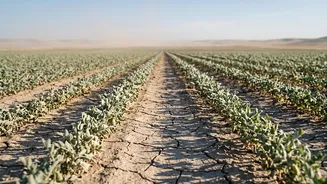
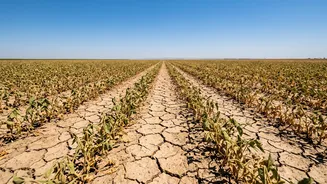
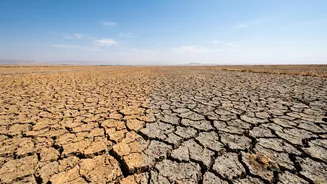
potentially less than 91% of the long-period average. This comes after August 2026 was recorded as the hottest and one of the driest since 1901, leaving soil moisture levels depleted in many regions. This pattern of deficient rainfall is largely attributed to strong El Niño conditions in the Pacific Ocean, a climate phenomenon known to weaken monsoon winds over India. The combination of less rain and predicted above-normal temperatures creates a challenging environment for crops in their crucial final growth stages.
Why Pulses and Vegetables Are at Risk
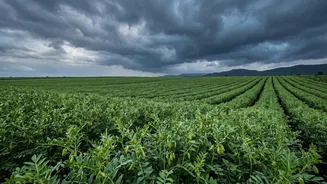
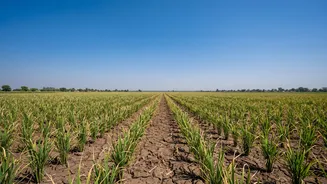
The timing of this dry spell is critical. Many Kharif (monsoon season) crops, particularly pulses like tur (pigeon pea) and urad (black matpe), are in their maturing phase in September. Inadequate rainfall can stunt their growth, leading to lower yields. Vegetables, which are highly sensitive to moisture and temperature fluctuations, also face significant risks. An abrupt end to the rains followed by high heat can damage standing crops and reduce harvest quality. While overall Kharif sowing has only seen a slight decline compared to last year, concerns remain about the final output due to the prevailing weather conditions. Deficient September rains could specifically hurt the yields of summer-sown crops like pulses, corn, and soybeans.
The Ripple Effect for Farmers
For farmers, a weak end to the monsoon presents a multi-faceted problem. Those in rain-fed regions are the most vulnerable, as they depend entirely on seasonal rains for irrigation. Lower yields directly translate to reduced income. Furthermore, the lack of sufficient end-of-season rain has a knock-on effect on the upcoming Rabi (winter) crop season. Healthy September rainfall is essential for replenishing reservoirs and ensuring adequate soil moisture for sowing winter crops like wheat and chickpeas. With many reservoirs already below desired levels, a dry September could jeopardise the prospects for the next agricultural cycle, forcing farmers to make difficult choices about which crops to plant.
What This Means for Your Household Budget
The journey from the farm to your plate is directly linked to the monsoon's performance. A reduction in the harvest of key pulses and vegetables tightens supply in the market. Basic economics dictates that when supply shrinks while demand remains steady—especially during the upcoming festive season—prices tend to rise. Analysts are already flagging the risk of food inflation. A potential shortfall in domestic production of pulses like pigeon peas could increase India's reliance on imports to meet demand, which can also influence local prices. While the government has taken steps like allowing liberal imports to stabilise supplies, a poor domestic harvest will inevitably put pressure on the prices of daily essentials.
A Sign of a New Climate Reality?
This year's erratic monsoon, characterised by a weak start in June, a recovery in July, and a dry spell in August and September, is part of a larger, more concerning trend. Climate experts and meteorologists point to the increasing variability and unpredictability of the monsoon, influenced by global climate phenomena like El Niño. These shifts are making traditional farming calendars less reliable and forcing a rethink of agricultural strategies. The government has already identified numerous districts vulnerable to El Niño's impact and is preparing contingency plans. The challenge for India is to build greater resilience in its food systems to cope with these increasingly frequent weather disruptions.