

An Underused Kitchen Gem
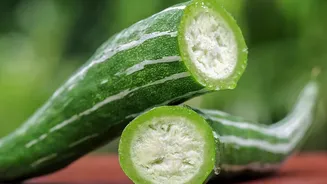
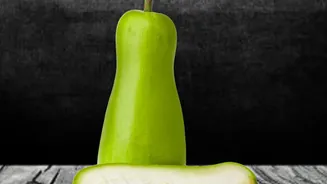
For generations, Indian kitchens have mastered the art of using every part of a vegetable, long before 'zero-waste' became a global trend. From chutneys to stir-fries, peels have been transformed into delicious dishes. Bottle gourd, or lauki, is a prime
example. Its peel is packed with fibre and nutrients but often discarded due to its tough, fibrous texture. Many traditional recipes, from Bengali 'lau khosha bhaja' to various chutneys, have found ways to make it shine. For kebabs, however, the challenge is to create a soft, melt-in-the-mouth texture that rivals its meaty counterparts, and that all comes down to the knife work.
Why the Chop Is So Critical
The secret to transforming tough bottle gourd peels lies in how you cut them. A coarse chop or grating, which works for the gourd's flesh, simply won't do for the peels. The goal is to break down the resilient plant fibres as much as possible before cooking. Finely chopping the peels—almost to a mince—radically increases the surface area. This has two major benefits. First, it allows the marinade and spices to penetrate deeply, infusing the peels with flavour rather than just coating the outside. Second, and most importantly, it ensures the peels cook quickly and evenly, breaking down their structure so they become tender and integrate seamlessly with the other ingredients. A coarse chop will result in noticeably tough, chewy bits that detract from the kebab's delicate texture.
Mastering the Technique
Achieving the right consistency isn't difficult, but it requires patience. Start by washing the bottle gourd thoroughly. Peel the skin using a knife rather than a peeler, trying to keep a thin layer of flesh attached. This adds a bit more substance and texture. Gather the peels and stack them. Using a sharp knife, slice them into the thinnest possible strips (julienne). Once you have a pile of thin strips, bunch them together and begin chopping crosswise. Continue to chop, running your knife back and forth over the pile, until the peels are minced into tiny, almost paste-like pieces. The final texture should be fine enough to meld completely with the binding agents like boiled potato or gram flour (besan), ensuring no single piece stands out.
From Minced Peel to Perfect Kebab
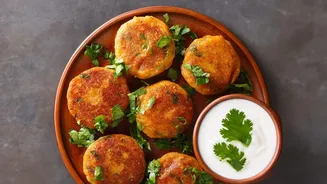
Once your peels are finely chopped, the magic happens when you combine them with the other kebab ingredients. The mince should disappear into the mixture, which often includes a binding agent like chana dal (split Bengal gram), breadcrumbs, or roasted gram flour, along with spices, onion, ginger, and garlic. This fine texture allows the peel to act as a flavour carrier, absorbing the aromatic spices and contributing its own subtle, earthy notes. When the kebab is formed and shallow-fried, the tiny pieces of peel cook through completely, contributing to a uniform, soft interior. If the peels were left coarse, they would create textural inconsistencies, and the kebabs would be more likely to fall apart.
Common Mistakes to Avoid
The most common error when making lauki peel kebabs is underestimating the importance of the chop. Simply grating the peel, as you would the flesh, leaves fibres that are too long and tough. This results in kebabs that are unpleasantly chewy and fibrous. Another mistake is not squeezing out excess water after washing the peels. Like the flesh, the peels hold moisture that can make the kebab mixture too wet and difficult to bind. Lastly, ensure the peels are cooked properly with the other base ingredients, such as chana dal, before being ground or mixed. This initial cooking step helps to soften them even before they are shaped and fried, providing another layer of insurance against a tough final product.