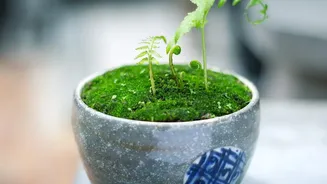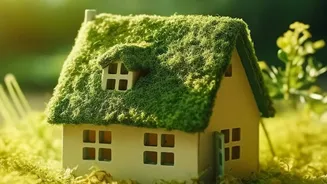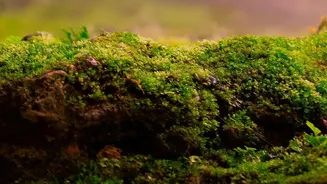


An indoor moss garden brings a touch of serene, green beauty to any space. But this living decor is delicate. Keeping that lush, vibrant carpet of green alive means understanding its unique needs and preventing it from drying out.
Mastering the Art of Hydration
Unlike most houseplants,
moss absorbs water through its leaves, not a root system. This makes consistent moisture the absolute key to its survival. The biggest mistake many new moss owners make is treating it like a typical potted plant. Instead of watering the soil, you should lightly mist your moss every two to three days. The goal is to keep it feeling damp, but never soggy or sitting in standing water, which can lead to rot and mould. The type of water you use is also critical. Tap water often contains chlorine and minerals that can damage delicate moss, causing it to turn brown. For the best results, always use distilled water, rainwater, or filtered water in a spray bottle. If you must use tap water, let it sit out overnight to allow some of the chlorine to dissipate.
Getting the Light Just Right
Moss thrives in the shaded, dappled light of a forest floor, and you should aim to replicate these conditions in your home. Direct sunlight is the enemy of a healthy moss garden; it will quickly scorch the leaves and dry them out, causing them to turn brown and brittle. The ideal location for your moss decor is a spot that receives bright, indirect light. North-facing windows are often perfect, as are shelves or tables that are near a bright window but not directly in the sun's path. If your space lacks sufficient natural light, moss also does very well under low-setting artificial lights, such as a small LED grow light. Just be sure the light doesn't generate too much heat. The key is consistent, gentle light that supports photosynthesis without causing the moss to lose its precious moisture.
Creating a Humid Haven
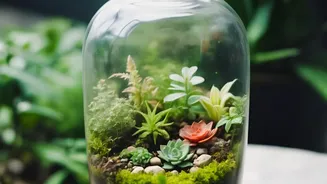
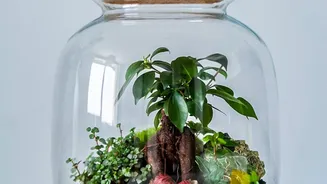
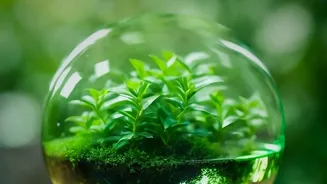
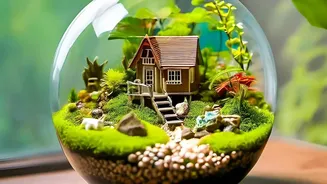
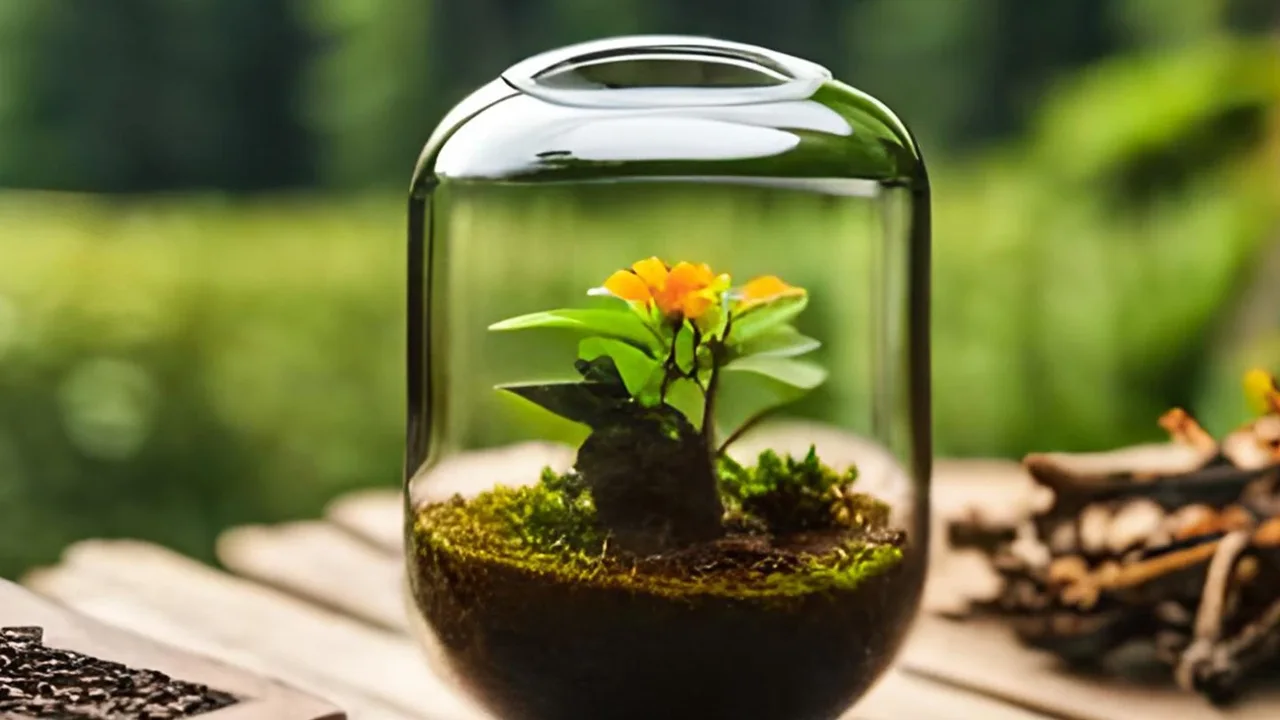
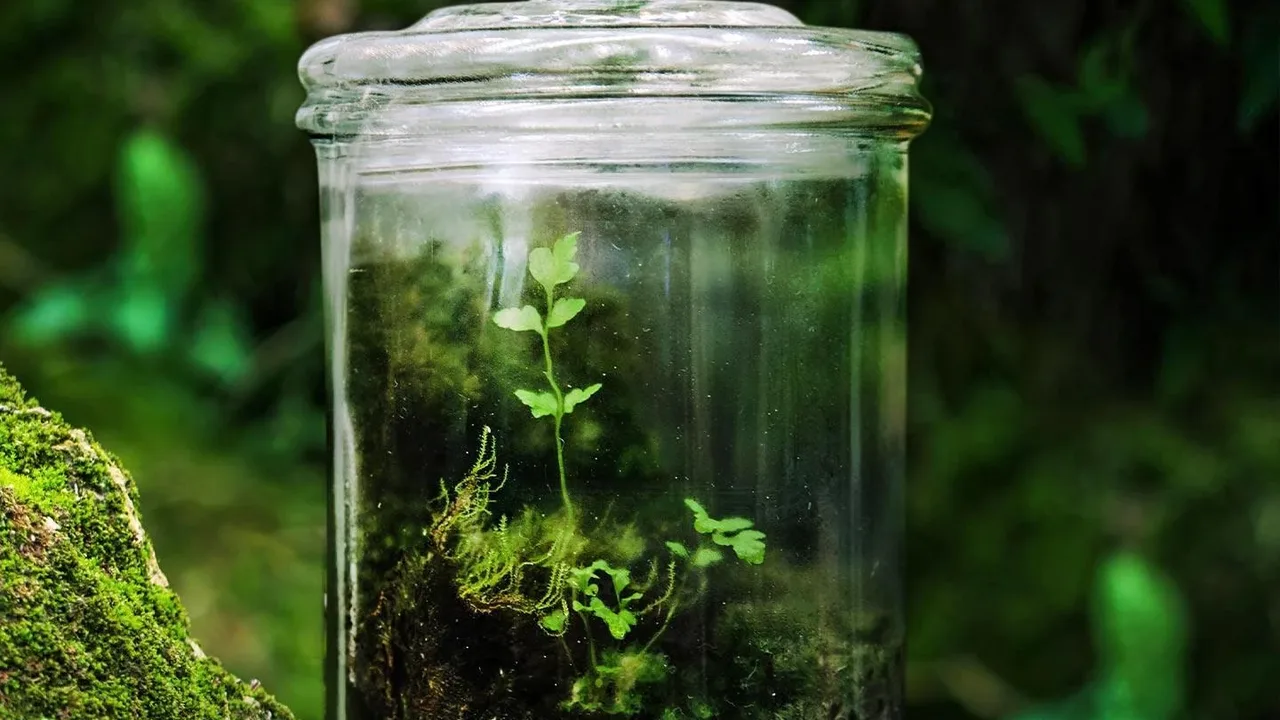
Because moss absorbs moisture from its surroundings, it loves a humid environment. Most homes, especially in winter when heating is on, have very dry air. This makes creating a pocket of humidity essential for your moss garden's success. The easiest way to do this is by keeping your moss in a terrarium. A closed terrarium creates a self-sustaining ecosystem where moisture evaporates and condenses, effectively watering itself. If you have a closed container, you may only need to mist it every few weeks, or when you notice a lack of condensation. For open containers or arrangements, more frequent misting is necessary. You can also place a humidifier nearby to help maintain ambient moisture levels, aiming for a humidity of around 40-60%.
Troubleshooting and Revival
Even with the best care, you might notice your moss starting to look a little sad. If it turns brown or pale, don't panic. The most common culprits are too much direct sun, using the wrong type of water, or simply a lack of moisture. First, assess its location and watering habits. If the moss feels dry and brittle, it likely needs more frequent misting. Often, moss that appears dead is simply dormant. To revive it, you can try soaking the moss in distilled or rainwater for about 10–20 minutes until it's fully rehydrated. Afterward, gently squeeze out the excess water and return it to a location with high humidity and indirect light. Within a few days to a couple of weeks, you should see it begin to green up again. However, if the moss is completely brown and shows no signs of green, it may be too late to save.