


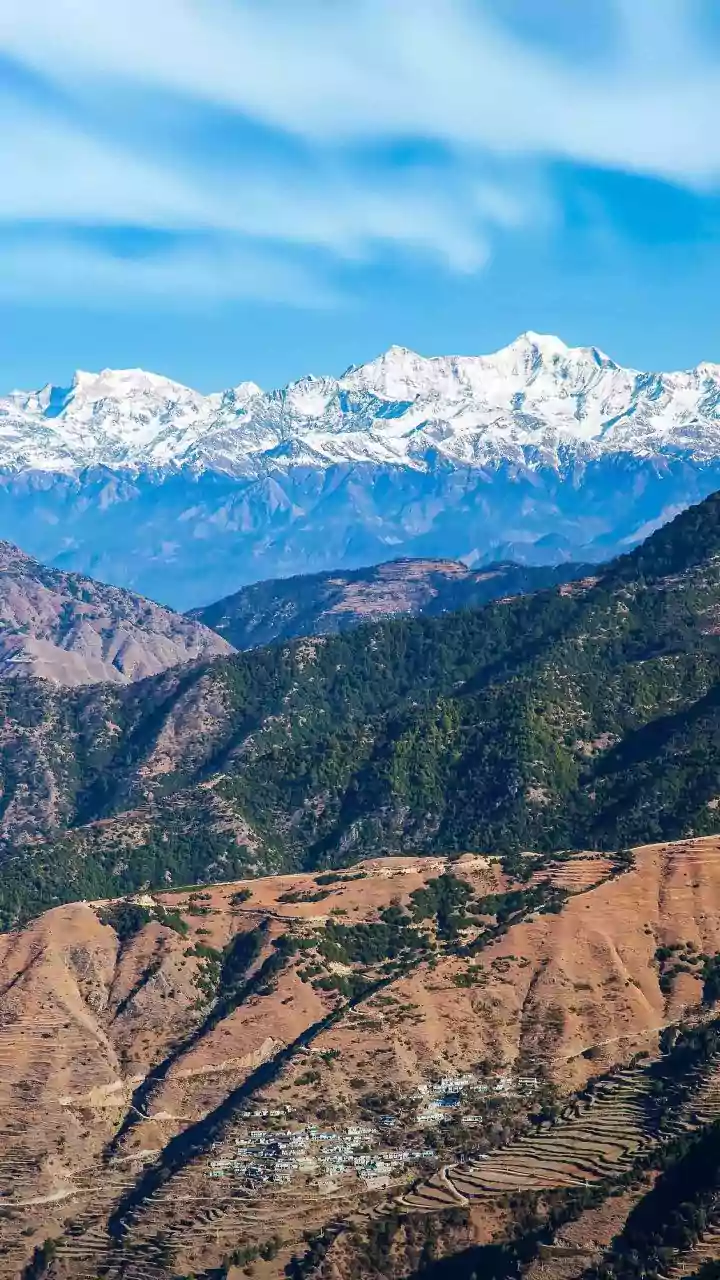

Beyond the majestic peaks and serene valleys, a different kind of Uttarakhand experience awaits. It’s one you can touch and feel, where ancient traditions invite you to become part of the story, not just a spectator passing through.
A Deeper Connection to the Hills
For years, tourism
in Uttarakhand has been defined by spiritual pilgrimages and Himalayan treks. But a growing movement towards sustainable and experiential travel is reshaping what a visit to the 'Land of the Gods' can be. Travellers are increasingly seeking more than just picturesque views; they desire authentic connections with the place and its people. This has paved the way for immersive cultural experiences, with hands-on craft workshops emerging as a powerful way to engage with the region’s heritage. By participating in these activities, visitors not only learn a new skill but also contribute directly to the local economy and help preserve age-old traditions that are at risk of fading away.
The Intricate Art of Likhai Woodcarving
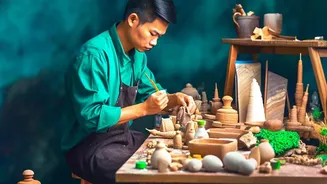
Woodcarving, known locally as 'Likhai' in the Kumaon region, is an art form etched into the very architecture of Uttarakhand. For centuries, artisans have adorned the doors, windows, and pillars of traditional homes and temples with intricate motifs of flowers, deities, and geometric patterns. These carvings were not merely decorative but a symbol of status and cultural identity. Today, several community-led initiatives and artisan workshops offer visitors the chance to learn this detailed craft. Under the guidance of master craftsmen, participants are introduced to the tools and techniques, learning to chisel designs into a piece of wood. The experience offers a profound appreciation for the patience and precision required to transform a simple block of wood into a work of art.
Weaving Magic with Ringal Bamboo
Ringal, a type of dwarf bamboo native to the Himalayas, is the foundation of another vital craft tradition. Strong yet flexible, this sustainable material has been used for generations by communities in both the Garhwal and Kumaon regions to create a wide array of functional items, from sturdy baskets and mats to furniture. Ringal basketry is an eco-friendly practice that represents a harmonious relationship with the local environment. In workshops, visitors learn the entire process, from how the bamboo is split into fine strips to the weaving techniques used to create durable products. It’s a lesson in resourcefulness and sustainability, demonstrating how natural materials can be transformed into beautiful and useful objects with minimal waste.
Community, Culture, and Conscious Travel
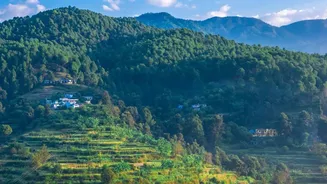
Villages like Sarmoli in the Munsiyari region have become pioneers in this form of community-led tourism. Here, homestays run by local families, often women, offer guests the chance to fully immerse themselves in village life. These stays frequently include opportunities to participate in craft workshops, farming activities, and local festivals. Organizations such as the Uttarakhand Bamboo and Fiber Development Board and the Forest Research Institute also conduct training programs to empower local artisans and keep these traditions alive. By choosing these experiences, travellers become active participants in a sustainable model that preserves cultural heritage, provides livelihoods, and fosters a genuine exchange between visitors and the host community.
A Souvenir with a Soul
Perhaps the most meaningful aspect of these workshops is the souvenir you take home. It isn't just a mass-produced trinket from a market stall; it’s an object you have crafted with your own hands, infused with the story of the artisan who taught you and the culture it represents. Whether it’s a small carved wooden panel or a woven Ringal basket, the true value lies in the memory of its creation. It’s a tangible connection to the Himalayan landscape and its people, a reminder that the most rewarding travel experiences are often the ones where you leave a small piece of yourself behind and take a piece of its heart with you.