








The Rise of the Pet-First Holiday
The shift is undeniable: pets are now key decision-makers in travel plans. Recent data shows a massive surge in searches and bookings for pet-friendly properties across India. Online travel portals have reported double-digit growth in bookings for pet-welcoming
hotels and homestays, with some platforms seeing a 43% jump in early 2025. This isn't just about finding a room; it's influencing entire itineraries. A 2026 report found that a majority of Indian pet owners choose activities like exploring pet-friendly city centres (59%), hiking in nature (48%), and dining at cafes with patios (64%). The most preferred mode of transport is the car, with 93% of pet parents favouring the flexibility of a road trip. This trend, accelerated by a deeper human-animal bond formed during the pandemic, has pushed the travel industry to adapt, with thousands of properties now advertising themselves as pet-friendly.
Finding a Truly Pet-Welcoming Stay
The term 'pet-friendly' can mean very different things. For some hotels, it means a small pet is tolerated with a hefty fee; for others, it means providing pet beds, bowls, and dedicated play areas. The key is to call ahead and verify the specifics before booking. Ask direct questions: Are pets allowed inside the room? Are there weight or breed restrictions? Is there an extra charge, and what does it cover? Many properties, especially homestays and villas with gardens, offer more freedom than traditional hotels. While a growing number of accommodations are genuinely embracing pets, assuming the online description tells the whole story is a common mistake that can lead to disappointment on arrival.
Navigating Transport: Car, Train, and Air
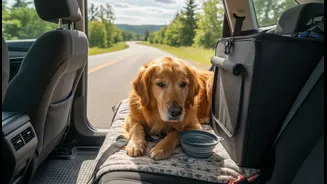
For most, car travel is the simplest way to go. To ensure safety and comfort, never let a pet roam free in the car. Use a secure harness, a crash-tested crate, or a booster seat. Plan for breaks every two to three hours for water and walks. For long journeys, especially in Indian heat, driving at night can be cooler and less stressful for animals.
Train travel is possible but has strict rules. Pets are only allowed to travel with you in a First Class AC (1AC) coupe or cabin, and you must book the entire compartment. If you're in any other class, your pet must travel in a crate in the luggage van. In either case, you'll need a 'fit-to-travel' certificate from a vet and up-to-date vaccination records.
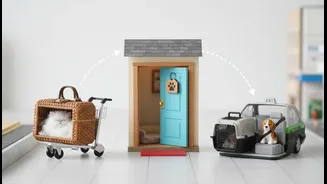
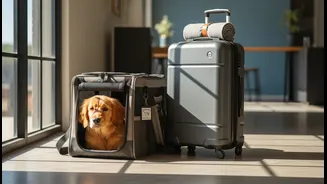
Air travel rules vary by airline. Carriers like Air India and Akasa Air allow small pets in the cabin for a fee, with specific weight and carrier size limits. Larger pets travel in the cargo hold. It's crucial to book your pet’s spot well in advance as the number of animals per flight is limited and paperwork, including a health certificate, is mandatory.
Essential Paperwork and Health Checks
Spontaneity is great, but not with pet travel documents. For almost any travel beyond your own car, you will need a file of essential papers. First, get a health certificate from a registered vet, typically issued within a few days of your travel date, confirming your pet is fit for the journey. Second, ensure your pet's vaccination record is current, with special attention to the rabies shot. Many authorities require it to be administered within the last year but at least 30 days before travel. Finally, make sure your pet's ID is up to date. A secure collar with a tag showing your current phone number is non-negotiable, and if your pet is microchipped, double-check that your contact information in the registry is correct. Keep digital and physical copies of all documents handy.
Packing the Ultimate Go-Bag for Your Pet
A well-packed bag can prevent most common travel issues. Don't rely on finding your pet's specific food at your destination; pack enough for the entire trip plus a couple of extra days' worth. Include familiar items like their favourite blanket, bed, or toys to reduce anxiety in a new environment. Essential gear includes food and water bowls (collapsible ones are great for travel), a leash and harness, and plenty of waste bags. A pet-specific first-aid kit is also a wise addition, containing basics like antiseptic wipes, bandages, and any prescribed medications for conditions like motion sickness or anxiety. Remember, sudden changes in diet can cause stomach upset, so stick to their regular food and treats.