







The Novelty Wears Off
The initial boom in highly processed meat alternatives was driven by novelty and a promise of eco-friendly indulgence without sacrifice. For years, companies like Beyond Meat and Impossible Foods were darlings of the food tech world, offering a product
that mimicked the taste and texture of meat with surprising accuracy. Consumers, especially flexitarians, were intrigued. It felt like a perfect solution: enjoy a burger, save the planet. But as the novelty faded, scrutiny grew. Shoppers began looking past the marketing and at the ingredient lists, questioning whether a product with dozens of processed components was truly a 'healthier' choice.
Health Concerns Take Centre Stage
This leads to the biggest driver of the shift: health. Many plant-based meat analogues are classified as ultra-processed foods (UPFs). While they may be free of cholesterol, they are often high in sodium, saturated fats, and a long list of additives, preservatives, and binders. Nutritionists and health-conscious consumers started pointing out the irony: in an effort to eat more 'plants,' people were consuming highly industrialised products. The conversation has evolved from a simple 'plant vs. animal' debate to a more nuanced 'whole vs. processed' one. A simple, home-cooked lentil soup or chickpea curry, full of fibre and nutrients, suddenly looks far more appealing than a factory-made patty designed to 'bleed' like beef.
The Cost of Convenience
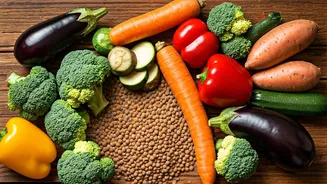
In an era of rising food prices, budget is a major factor. Processed plant-based meats are premium products, often costing significantly more than both conventional meat and, crucially, whole vegetarian staples. A kilogram of lentils, beans, or seasonal vegetables provides far more nutrition and meals per rupee than a package of faux-meat sausages. As households tighten their belts, the economic logic becomes undeniable. The affordability of traditional vegetarian cooking is a powerful advantage. This isn't just about saving money; it's about recognising the inherent value in ingredients that have sustained populations for centuries without needing a multi-million dollar marketing campaign.
A Return to Culinary Roots
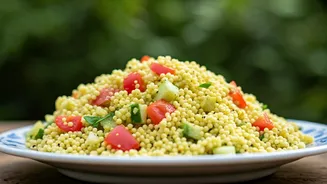
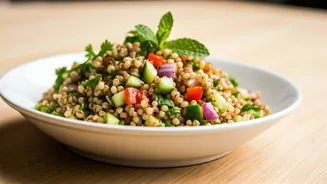
The trend also signals a return to confidence in cooking. Instead of seeking a one-to-one substitute for meat, more people are embracing vegetables, legumes, and grains for what they are. This shift is powered by a renewed interest in global cuisines that have always celebrated whole foods. Think of the rich variety in Indian regional cooking, the vibrant and simple dishes of the Mediterranean, or the complex flavours of Southeast Asian vegetarian fare. These culinary traditions don't try to imitate meat; they have their own star ingredients and techniques. The 'win' for whole foods is also a win for culinary diversity and the joy of creating delicious meals from scratch, using ingredients that are flavourful in their own right.
Redefining the Plant-Based Plate
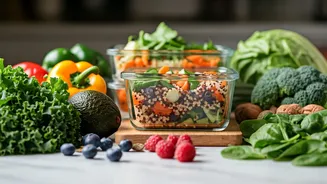
Ultimately, the resurgence of whole vegetarian foods isn’t a rejection of plant-based eating. Instead, it’s a maturation of the movement. The initial hype phase is over, and consumers are now making more informed, conscious choices. The focus has shifted from finding the perfect meat replica to building a diet around minimally processed, nutrient-dense, and affordable foods. It’s a less flashy, more sustainable approach that prioritises long-term health and culinary authenticity over technological mimicry. The 'victory' isn't about one type of food defeating another in the marketplace; it's about a collective realisation that sometimes, the original version is still the best.