




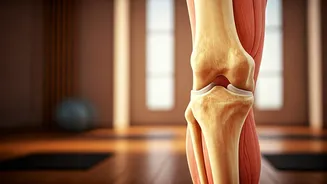


What Is Joint Mobility?
Before we dive in, let’s clear up a common confusion: mobility is not the same as flexibility. Flexibility is the ability of your muscles to lengthen passively—think holding a static toe-touch stretch. Mobility, on the other hand, is your ability to actively
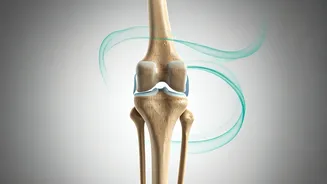
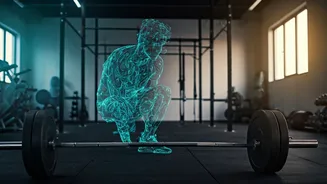
move a joint through its full, intended range of motion with control. It’s about functional movement quality. For example, can you perform a deep, controlled squat without your heels lifting or your back rounding? That’s a demonstration of good hip, knee, and ankle mobility. It’s the difference between being able to be put into a position (flexibility) and being able to get into and out of that position yourself, with strength and stability (mobility). This active control is what makes mobility a cornerstone of injury prevention and athletic performance.
The Pitfalls of a 'Lift-Only' Mindset
Chasing personal records in the deadlift or bench press is incredibly rewarding. However, a singular focus on lifting heavy without a foundation of good mobility can lead to problems. When your joints can't move through their natural range, your body compensates. If your hips are tight during a squat, your lower back might take on extra strain. If your shoulder mobility is poor, a heavy overhead press could lead to impingement or rotator cuff issues. This compensation creates faulty movement patterns that not only limit your strength potential but also significantly increase your risk of injury. Over time, this can lead to chronic pain, frustrating plateaus, and a fitness journey cut short. The goal isn't to stop lifting heavy, but to build a body that can handle it safely and efficiently.
Key Benefits of Better Mobility
Integrating mobility work into your routine pays dividends far beyond the gym. First and foremost is injury prevention. By ensuring your joints can move as intended, you reduce the stress on surrounding tissues and prevent compensatory movements that cause strain. Second, you’ll actually become stronger. A greater range of motion allows you to recruit more muscle fibres. A full-depth squat is more effective at building leg strength than a partial one. Third, it alleviates everyday aches and pains. Hours spent sitting at a desk can lead to tight hips and a stiff upper back. Mobility drills counteract this, improving your posture and making daily movements feel effortless. It’s an investment in your body's long-term durability, ensuring you can stay active and pain-free for decades.
How to Integrate Mobility Into Your Routine
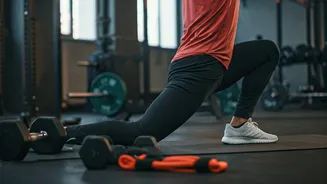
Making mobility a priority doesn't require a complete overhaul of your schedule. The key is consistency. The easiest way to start is by incorporating a 5-10 minute mobility routine as your warm-up before every workout. This prepares your joints for the specific movements you're about to perform. Instead of a quick jog on the treadmill, perform movements that mimic your workout, like deep bodyweight squats, leg swings, and arm circles. You can also dedicate one of your rest days to a longer, 20-30 minute mobility session. This can be a relaxing way to improve movement quality while helping your body recover from intense training. Finally, try 'movement snacks' throughout your day. If you have a desk job, set a timer to get up every hour and do a few hip circles or neck rolls.
Simple Drills to Start Today
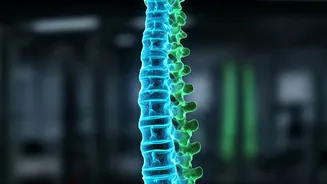
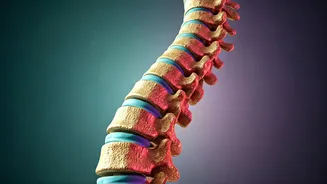
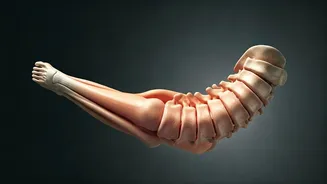
Ready to begin? Here are three simple but highly effective mobility exercises you can do anywhere: 1. **Cat-Cow:** Start on your hands and knees. As you inhale, drop your belly, arch your back, and look up (Cow). As you exhale, round your spine, tuck your chin to your chest, and press the floor away (Cat). This is excellent for spinal mobility. 2. **Hip CARs (Controlled Articular Rotations):** Standing and holding onto a wall for balance, lift one knee to 90 degrees. Slowly rotate it out to the side, then extend your leg behind you, and bring it back to the start in a large, controlled circle. This helps improve the function of your ball-and-socket hip joint. 3. **Thoracic Spine Windmills:** Lie on your side with your knees bent at 90 degrees and your arms extended in front of you. Keeping your hips still, lift your top arm and rotate your upper body, trying to touch your top shoulder blade to the floor behind you. This targets stiffness in the upper back.