





More Than Just a Long Day
The Summer Solstice, which typically falls on June 21st in the Northern Hemisphere, marks the moment our planet’s tilt is most inclined towards the sun. It gives us the longest period of daylight and the shortest night of the year. For millennia, cultures
have marked this day with festivals and rituals celebrating light, life, and the turning of the seasons. But in modern India, a new tradition is taking hold. For a growing community of sky-gazers, it’s a perfect excuse to get together, point their telescopes upwards, and celebrate the magnificent mechanics of our solar system.
The Rise of Amateur Astronomy
The enthusiasm isn't happening in a vacuum. In recent years, India has witnessed a significant surge in public interest in space. Fuelled by the spectacular successes of ISRO missions like Chandrayaan-3 and Aditya-L1, a sense of national pride has translated into a personal curiosity about the universe. This has breathed new life into amateur astronomy clubs in cities like Bengaluru, Pune, Delhi, and Mumbai. These volunteer-run organisations, which have long been hubs for dedicated hobbyists, are now seeing an influx of new members—from students and young professionals to families looking for a meaningful way to spend an evening. They offer a welcoming space for anyone to ask questions, learn how to use a telescope, and share in the wonder of a star-filled sky.
What Happens at a Solstice Star Party?
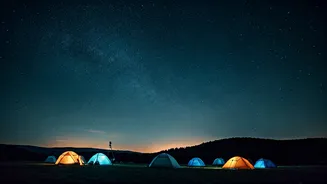
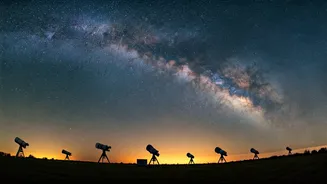
So what is all the buzz about? Imagine a field or a rooftop just outside the city, away from the worst of the light pollution. As dusk settles on the longest day, dozens of people are gathered. Some are setting up their own impressive telescopes, while others are lining up to peer through club-owned equipment. An experienced member might be giving an informal talk, pointing out constellations with a green laser pointer and explaining the science behind the solstice. The atmosphere is one of shared excitement and collaborative discovery. Children gasp as they see Saturn's rings for the first time, while adults chat about everything from nebulae to the latest space news. These events, often called 'star parties,' are less about formal lectures and more about creating a community experience. They demystify astronomy, making it accessible and profoundly human.
A Gateway to the Cosmos
For many, these solstice gatherings are a gateway drug to a deeper appreciation of science. Clubs often use the opportunity to host workshops on astrophotography, telescope building, and celestial navigation. They act as informal educational platforms, inspiring the next generation of scientists, engineers, and thinkers. In a world dominated by screens and indoor living, these clubs encourage people to step outside, look up, and contemplate their place in the universe. The solstice, with its powerful symbolism of light and peak energy, serves as the perfect annual anchor for this mission—a day to celebrate not just our star, the sun, but the curiosity it inspires within us.
How to Join the Celebration
The beauty of this movement is its accessibility. You don't need to own a telescope or have a degree in astrophysics to participate. Most astronomy clubs are open to the public and actively welcome newcomers. A quick online search for "amateur astronomy club" in your nearest major city is the best place to start. Follow their social media pages, as that's where they'll typically announce public events like solstice gatherings, meteor shower viewings, and weekend star parties. Many events are free or require only a nominal fee to cover logistics. The only real requirement is a sense of wonder and a willingness to brave the late hours for a truly cosmic show.