



What is The Proposal from Indian Experts?
In late 2025 and early 2026, a consensus emerged among leading Indian experts from fields like cardiology, public health, and nutrition. This group, including specialists from AIIMS, formally recommended the widespread adoption of potassium-enriched,
low-sodium salt substitutes (LSSS) as a key strategy to combat rising rates of hypertension and cardiovascular disease in the country. They presented this as a practical, low-cost intervention, with some even calling it a 'dietary vaccine' for high blood pressure. The proposal suggests integrating LSSS into national health guidelines, public procurement for programmes like mid-day meals, and encouraging the food industry to reformulate packaged products. The core idea is to make the healthier choice the easier choice for millions.
Why is Sodium a Major Concern in India?
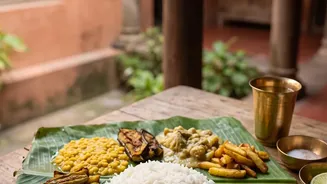
The average Indian consumes between 8 and 11 grams of salt daily, which is nearly double the World Health Organization's (WHO) recommended limit of 5 grams per day. This high sodium intake is a primary driver of hypertension, or high blood pressure, which affects an estimated one in three adults in India and contributes to a significant number of deaths from heart attacks and strokes annually. What makes India's situation unique is where this excess salt comes from. Unlike in many Western countries where processed foods are the main culprit, in India, nearly 80% of sodium intake comes from salt added during cooking at home. This presents a unique opportunity for an intervention at the household level to have a massive public health impact.
What is The WHO's 2025 Guidance?
The recommendation from Indian experts didn't come out of nowhere. It directly follows guidance issued by the WHO in January 2025. The WHO formally endorsed the use of lower-sodium salt substitutes as a safe and effective way to reduce blood pressure and cardiovascular disease risk at a population level. This global recommendation was based on a systematic review of numerous clinical trials involving over 35,000 people, which showed that using LSSS significantly lowered blood pressure and reduced the risk of strokes and cardiovascular death. India is a signatory to the WHO's global goal of reducing average sodium intake by 30% by 2030 to help control non-communicable diseases.
How Does Lower-Sodium Salt Work?
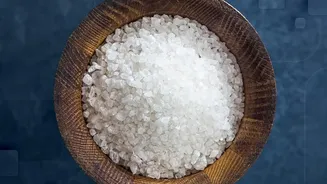
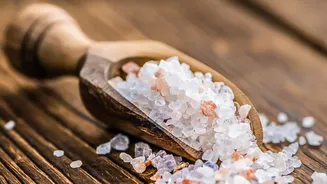
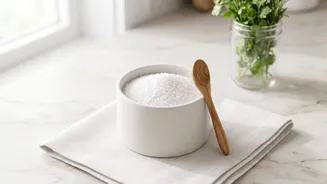
Lower-sodium salt isn't salt-free; it’s a reformulated version of regular table salt. Typically, it involves replacing about 25-30% of the sodium chloride with potassium chloride. This simple switch has a powerful dual effect. First, it directly reduces your sodium intake. Second, it increases your potassium intake. Potassium is a mineral that helps counteract the effects of sodium and can help relax blood vessel walls, further lowering blood pressure. Studies suggest that much of the blood pressure-lowering benefit comes from this increase in potassium, not just the reduction in sodium. Crucially, for most people, this substitute looks, tastes, and is used in cooking just like regular salt, making it a seamless change.
Are There Any Risks or Challenges?
For the vast majority of the population, these salt substitutes are considered safe. However, experts note that caution is needed for a small subset of individuals, particularly those with advanced chronic kidney disease, who may have difficulty excreting potassium. The expert panel has recommended clear contraindications for these specific groups. The main challenge, however, is regulatory and logistical. For LSSS to be widely adopted, the Food Safety and Standards Authority of India (FSSAI) would need to formally recognize it as an approved category of 'edible salt' and establish clear standards for its composition and labelling. Currently, FSSAI standards are primarily focused on the sodium chloride and iodine content of regular salt, so a new framework would be needed to accommodate this public health initiative.