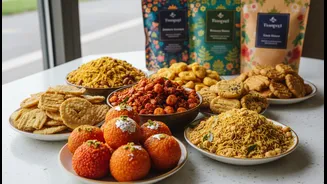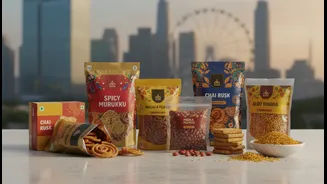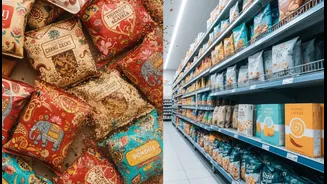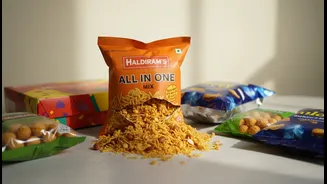




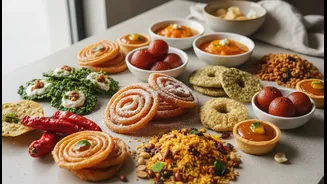


The Global Craving for Indian Flavours
The international demand for Indian food is no longer a niche market. Driven by a large and affluent diaspora, as well as a growing curiosity from global consumers, the market for Indian cuisine is booming. Reports show that Indian food is one of the fastest-growing
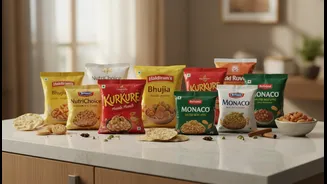
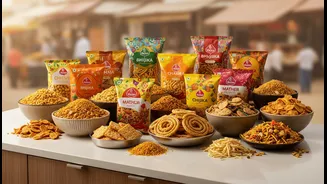
ethnic cuisines globally, with the number of restaurants and the availability of products increasing significantly in countries like the US, UK, and across Europe. This isn't just about restaurants; the packaged food sector is experiencing phenomenal growth, with a projected compound annual growth rate of 13%. Brands like Haldiram's, Amul, and MTR Foods have become household names far beyond India's borders, creating a built-in audience with a pre-existing taste for authentic Indian flavours.
From Packet to Plate: A Bridge of Trust
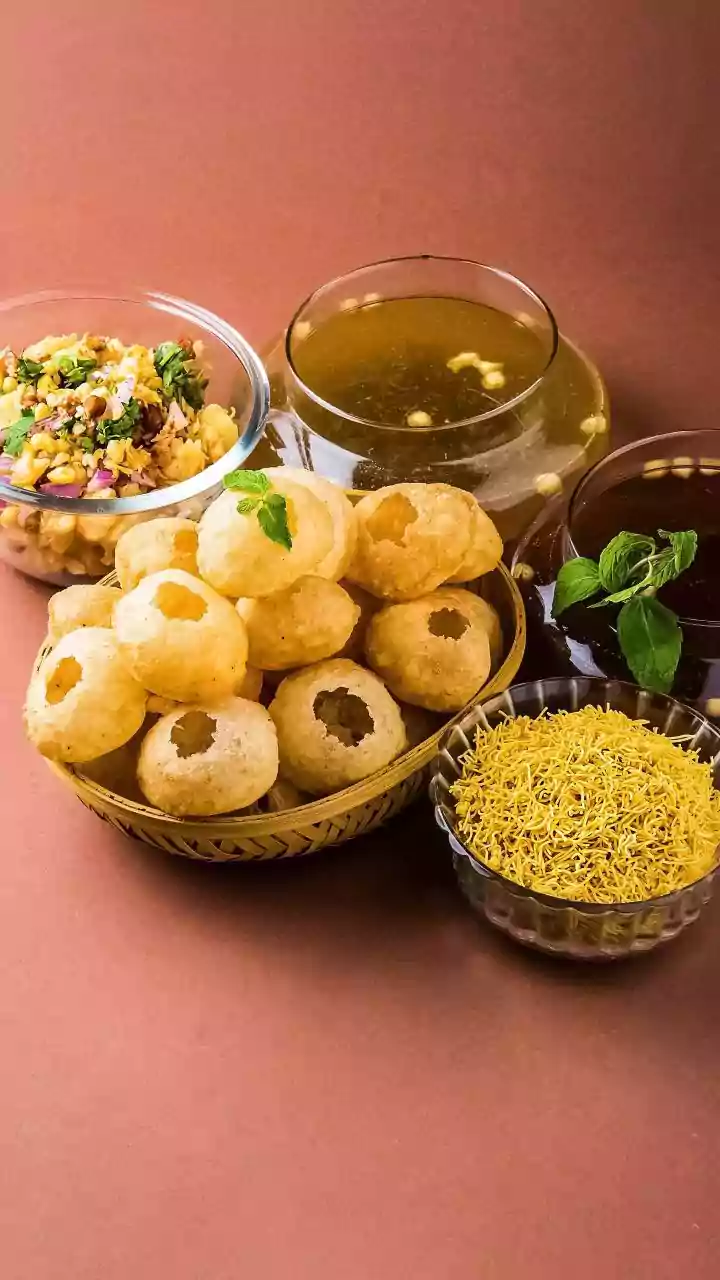
For Indian restaurants abroad, this widespread brand recognition is a powerful, yet often underutilised, asset. The core strategy is to bridge the gap between the familiar comfort of a packaged snack and the new experience of dining out. When a customer sees a brand they know and trust, it lowers the barrier to entry. A restaurant can leverage this by creating a narrative that connects their food to these beloved flavours. This doesn't mean simply serving packaged food. Instead, it's about association. Mentioning that your chaat is made with the same spice profile that makes Haldiram's famous or that your desserts capture the essence of a beloved sweet brand can build instant rapport and trust with potential diners. This is about turning brand loyalty into foot traffic.
Strategic Menu Integration
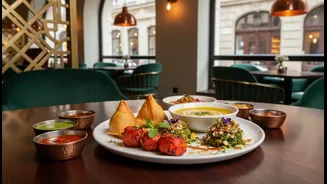
So, how can a restaurant practically apply this? It starts with smart menu engineering. Instead of competing with these brands, collaborate with their flavour profiles. A cafe could offer a 'Cutting Chai and Bikaji Bhujia' combo as an authentic afternoon special. A modern Indian restaurant could create an innovative dessert using the flavour notes of Parle-G biscuits. Some establishments are even using high-quality, pre-prepared pastes and spice blends from reputable brands to ensure flavour consistency across multiple locations, a strategy that saves on labour costs and reduces the need for highly specialized chefs for every single dish. The key is authenticity and creativity. The goal is to evoke a sense of nostalgia and comfort while delivering a high-quality, chef-driven experience that a customer can't get from a packet.
Beyond the Diaspora: Engaging New Diners
While the Indian diaspora is a core audience, the appeal of these brands extends to a new generation of global foodies. Driven by social media and a desire for authentic experiences, younger consumers are actively seeking out global flavours. For them, a familiar brand on the menu can serve as an accessible entry point into a cuisine they are curious about but may find intimidating. A restaurant's social media can play a huge role here, telling the story behind the ingredients and drawing parallels to the popular snacks that followers may already know and love. This transforms a simple menu item into a cultural conversation, making the dining experience more engaging and memorable.
Potential Pitfalls and How to Avoid Them
This strategy is not without its challenges. The primary risk is failing to meet the expectations set by the beloved brand. If a restaurant promises the flavour of home but delivers a subpar dish, it can backfire spectacularly, alienating the very customers it seeks to attract. Quality control is paramount. There are also brand and trademark considerations; direct co-branding or using brand logos without permission is a legal minefield. The strategy is about flavour association and storytelling, not unauthorized partnership. The restaurant must ultimately stand on its own merits, using the packaged brand as a launchpad, not a crutch.