




The Great Migration Reimagined
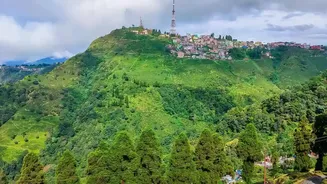
For decades, the rhythm of summer and holiday travel in India has been predictable. As temperatures rise, a great migration occurs, with cars and trains heading for the familiar, colonial-era comforts of Shimla, Manali, Mussoorie, and Nainital. These
destinations, while beautiful, are increasingly burdened by their own popularity, often leading to traffic jams, overcrowded attractions, and a sense that the tranquil escape has become just another crowded city. Now, a growing number of Indian travellers are writing a new script. They are turning their compasses towards the Northeast, a region once considered remote and challenging to access. This isn't just about swapping one mountain range for another; it's a fundamental change in what people seek from a holiday. Recent booking trends confirm this shift, with travel platforms reporting a significant uptick in demand for the Northeast, a trend that has remained strong through summer and monsoon seasons.
The Pull of the Unexplored
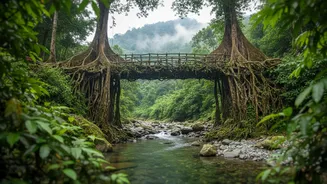
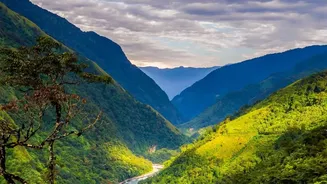
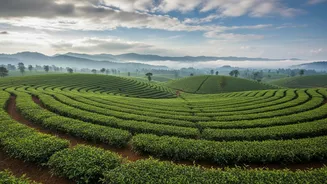
So, what's driving this eastward-ho movement? The primary motivation is a desire for authenticity and new experiences. Today's travellers, armed with information and inspired by social media, are no longer content with the tried-and-tested. They crave the thrill of the undiscovered, the peace of untouched landscapes, and the richness of unique cultures. The Northeast delivers on all these fronts. It offers a dazzling variety of experiences, from the living root bridges of Meghalaya and the crystal-clear waters of the Umngot River to the ancient monasteries of Sikkim and Arunachal Pradesh. It's a region where you can witness the one-horned rhinoceros at Kaziranga National Park, explore Asia's cleanest village in Mawlynnong, or attend vibrant cultural events like Nagaland's Hornbill Festival. This search for the novel is a direct reaction to the commercialisation and over-tourism plaguing many traditional holiday spots.
The Infrastructure Revolution
This travel trend would not be possible without a massive, behind-the-scenes transformation in connectivity. For years, the Northeast's primary challenge was accessibility. However, a concerted push in infrastructure development has been a game-changer. The number of operational airports in the region has more than doubled in the last decade, increasing from nine to nineteen between 2013 and 2024. Schemes like UDAN have introduced new flights and air routes, making places once considered remote, like Itanagar, just a flight away. For instance, flight bookings for Itanagar have seen a growth of over 70 percent. Alongside air travel, road and rail networks have been drastically improved. New highways and bridges have dramatically cut down travel times; a journey from Guwahati to Itanagar that once took over ten hours can now be completed in around six. This improved access has made the entire region more viable for tourists who may have previously been deterred by long and arduous journeys.
Destinations on the Rise
While the entire region is benefiting, certain states and cities are emerging as clear favourites. According to recent data from travel portal Cleartrip, Nagaland and Arunachal Pradesh have seen the highest growth, with flight bookings up 62% and hotel bookings soaring by over 90%. Cities like Shillong and Guwahati saw hotel bookings grow by over 65% and 60% respectively. In Sikkim, destinations like Gangtok, Pelling, and the high-altitude Tsomgo Lake continue to be major draws. In Meghalaya, the allure of Cherrapunji, Dawki, and the unique living root bridges is undeniable. Assam's Kaziranga National Park remains an iconic wildlife destination, while lesser-known valleys in Arunachal Pradesh, like Ziro and Mechuka, are attracting those looking to get truly off the grid. This growing interest is also fueling development in hospitality, with the number of branded hotel rooms expected to nearly double by 2030 to meet the rising demand.