

The Monsoon Dilemma in Popular Hill Stations
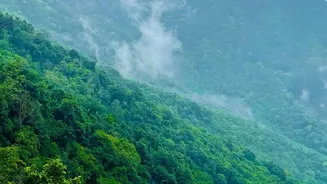
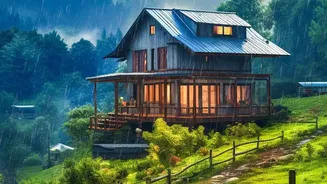
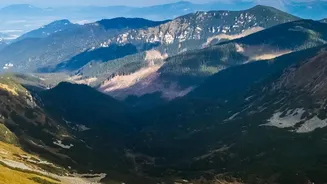
For many, the Indian monsoon conjures images of lush green hills, misty valleys, and the romantic patter of rain. Hill stations across Himachal Pradesh, Uttarakhand, and the Western Ghats become popular getaways. However, the charm can quickly fade. Heavy
and persistent rainfall often leads to significant travel disruptions, including landslides that block major highways for days. Treks become treacherous with slippery paths and the risk of flash floods. Instead of enjoying panoramic views, travellers might find themselves stuck in a hotel room, watching their holiday plans wash away. The very rain that makes these places beautiful can also render them inaccessible and risky during its peak.
Ladakh: The Sun-Drenched Rain Shadow
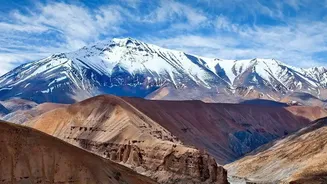
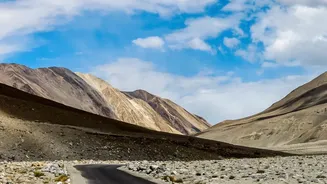
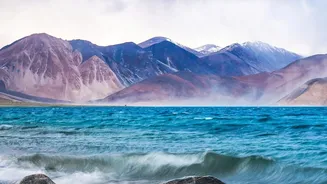
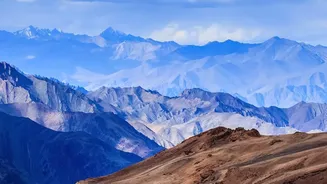
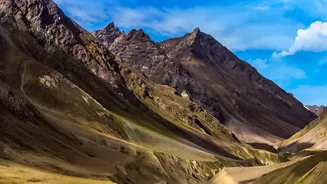
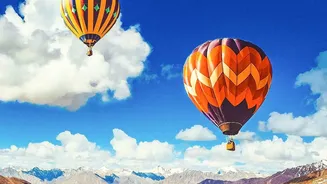
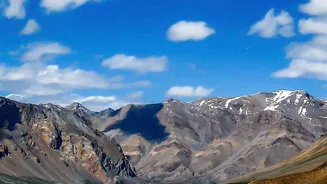
This is where Ladakh enters the picture, offering a stark and wonderful contrast. Situated in a trans-Himalayan rain shadow zone, Ladakh receives minimal rainfall during the monsoon months of July and August. The towering Himalayan and Zanskar ranges effectively block the moisture-laden clouds from reaching this high-altitude desert. While the rest of the country is drenched, Ladakh boasts clear blue skies, pleasant daytime temperatures ranging from 15 to 25 degrees Celsius, and dry landscapes perfect for exploration. This unique climatic advantage makes it arguably the best time to visit, as the weather is ideal for sightseeing and outdoor activities without the threat of rain-related disruptions.
An Adventure Seeker's Paradise
The dry summer weather unlocks Ladakh’s full potential for adventure. The high-mountain passes, including the famed Khardung La and Chang La, are reliably open, providing access to stunning locations. This makes it the peak season for epic road trips, whether on a motorcycle or in a car, along the iconic Manali-Leh and Srinagar-Leh highways. For trekkers, popular routes like the Markha Valley and Sham Valley treks are in prime condition. The water levels in the Indus and Zanskar rivers are high, making it the best time for thrilling white-water rafting expeditions. From mountain biking to camping under star-filled skies, Ladakh in summer is an unparalleled adventure playground.
A Calendar of Vibrant Culture
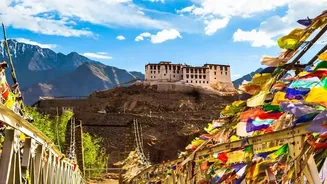
Summer in Ladakh is not just about landscapes; it's a season of vibrant cultural immersion. Many of the region's most important monastic festivals take place during these months. The Hemis Tsechu, one of Ladakh's most famous festivals celebrating the birth of Guru Padmasambhava, is a riot of colour, masked dances (cham), and ancient rituals held in the courtyard of the magnificent Hemis Monastery. Other significant summer festivals include Phyang Tsedup and Korzok Gustor, offering profound insights into Tibetan Buddhist traditions. These events are not tourist shows but deeply spiritual ceremonies that have been performed for centuries, providing a unique window into Ladakhi culture.
Planning Your High-Altitude Escape
Reaching Ladakh is an adventure in itself. Flying into Leh's Kushok Bakula Rimpochee Airport is the most convenient option, with regular connections from major Indian cities. However, it's crucial to acclimatise. Upon arrival, you must spend at least 24-48 hours resting in Leh to allow your body to adjust to the high altitude (around 3,500 metres) before venturing further. For the more adventurous, the road journey via the Manali-Leh or Srinagar-Leh highway is a legendary experience, though it requires more time and planning. Accommodation is widely available, but since this is peak season, booking flights and hotels well in advance is highly recommended to avoid disappointment.