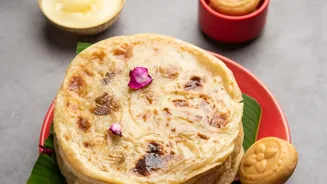



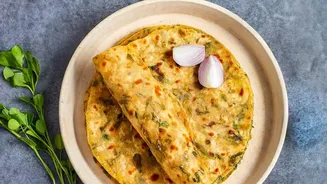
The world of Indian flatbreads is vast and delicious, but just when you think you've tried them all, a new variation appears. Enter the Reshmi Paratha, a bread so soft and delicate its name literally means 'silky'.
Beyond the Everyday Paratha
Parathas are a beloved staple across
India, a testament to the simple magic of flour, water, and ghee. From the hearty aloo paratha stuffed with spiced potatoes to the flaky layers of a lachha paratha, each variety has its own dedicated following. These flatbreads, shallow-fried to golden perfection, are a cornerstone of breakfasts and meals, enjoyed with everything from yogurt and pickles to rich curries. But within this diverse family, the Reshmi Paratha carves out its own niche. It’s less about a specific filling and more about achieving a uniquely tender, melt-in-the-mouth quality that transforms the eating experience.
The Secret to a 'Silky' Dough
So, what makes a paratha 'Reshmi'? The innovation lies in the dough itself. While many parathas are made with a simple whole wheat (atta) or refined flour (maida) base, the Reshmi Paratha introduces ingredients that create an exceptionally soft and pliable dough. Some recipes achieve this by incorporating boiled and puréed potatoes directly into the flour, which provides moisture and a tender structure without the need for yeast. The potato acts as a binding agent, creating a dough that is incredibly smooth. Other variations enrich the dough with cream, milk, or yogurt, which adds fat and results in a softer, richer flatbread. These additions are the key to its signature 'silky' feel.
A New Technique for Texture
The 'new format' isn't just about ingredients; it's also about the handling of the dough. While it can be made layered like a lachha paratha, the focus of the Reshmi Paratha is often on its inherent softness rather than countless crispy layers. The dough, enriched with potato or dairy, is often rested to allow it to become even more supple. It is then rolled out very thinly—sometimes compared to a Rumali Roti in its fineness—and cooked quickly on a hot tawa. This prevents it from drying out and preserves its delicate, tender texture. The result is a paratha that is incredibly light and soft, staying that way even after it cools, making it a popular choice for lunchboxes and travel.
The Perfect Culinary Canvas
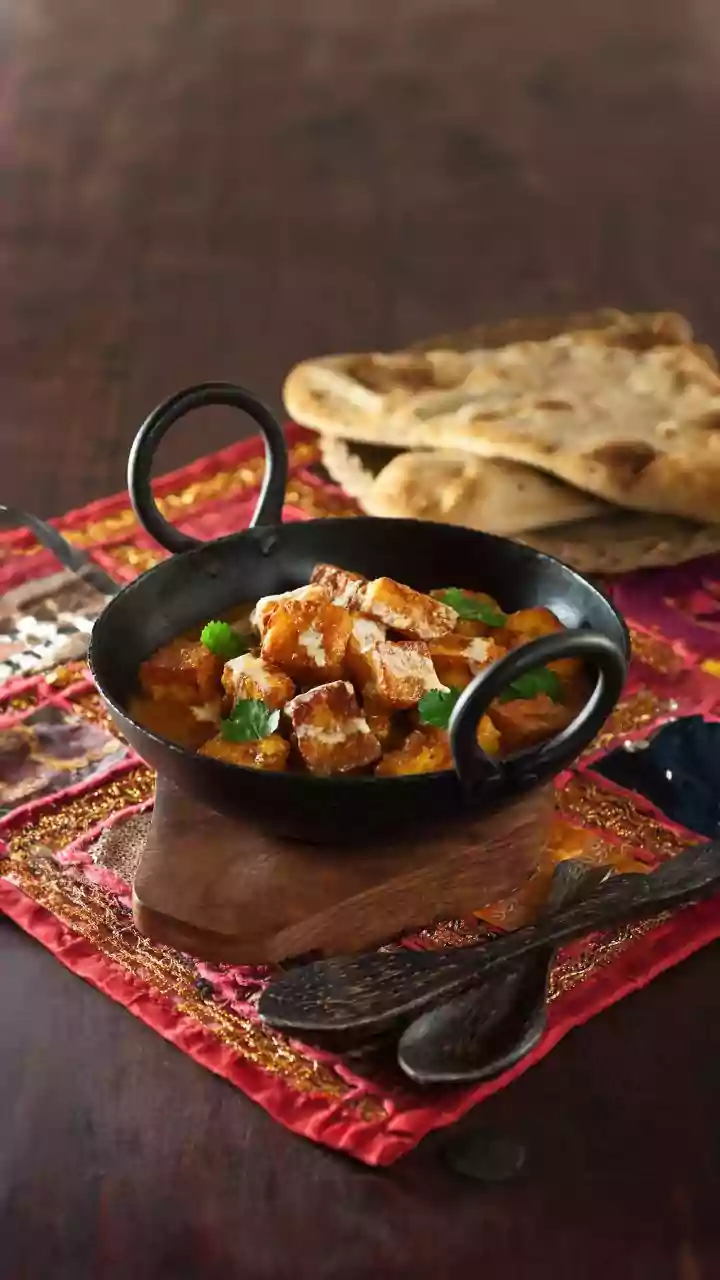
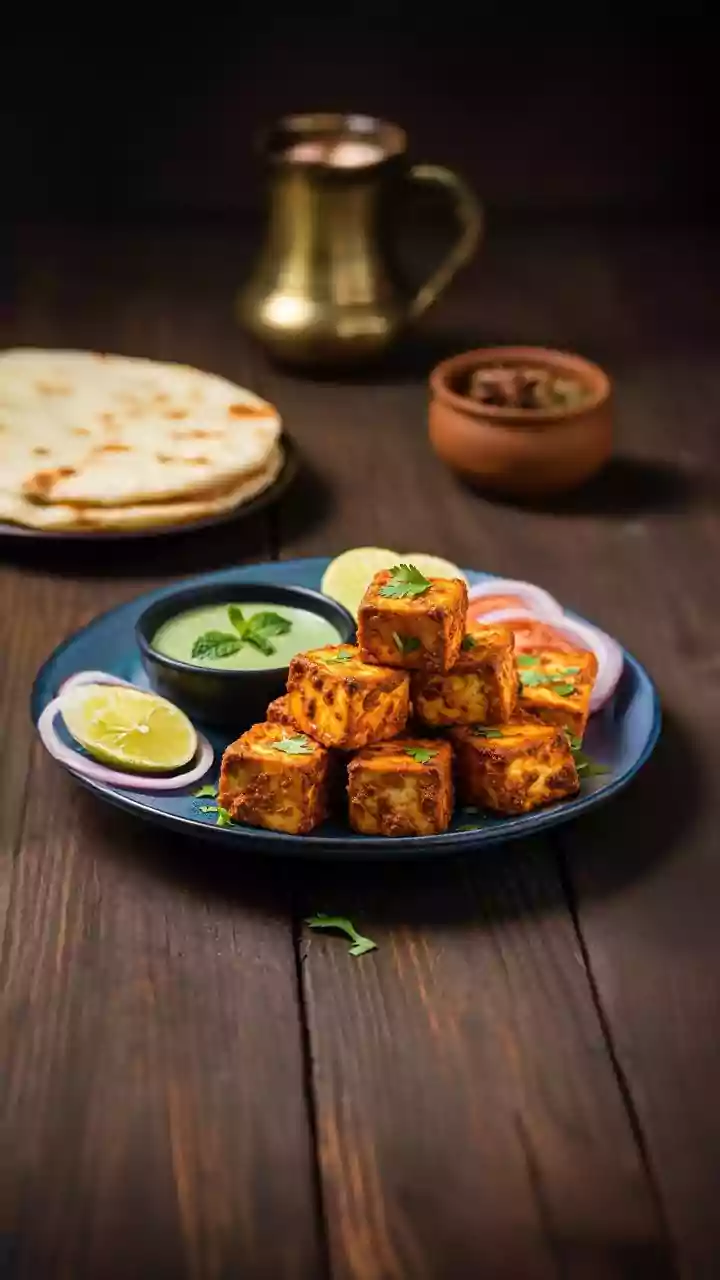
Because of its subtle flavour and delicate texture, the Reshmi Paratha is exceptionally versatile. While some versions include spices like cumin seeds, chili flakes, and fresh coriander directly in the dough, its primary role is often as a perfect companion to other dishes. It pairs beautifully with a simple bowl of dahi (yogurt) or a tangy pickle, which allows its unique texture to shine. It is also an excellent vehicle for flavourful curries and vegetable dishes, like a classic aloo bhaji. Its softness absorbs gravies wonderfully, creating a satisfying bite every time. Unlike heavily stuffed parathas that can be a meal in themselves, the Reshmi Paratha complements the main dish rather than overpowering it.