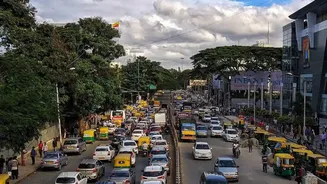


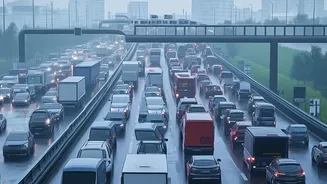
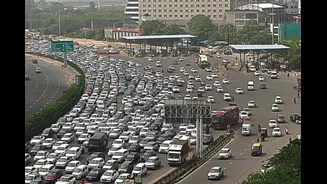
As winter approaches, Delhi is reintroducing firm measures to combat air pollution. From November 1, new restrictions will specifically target older petrol and diesel vehicles registered outside the capital. Here is a breakdown of what that means.
The Core Mandate: Who is Affected?
Starting
November 1, 2026, and lasting until January 31, 2027, Delhi will prohibit the entry of vehicles registered outside the capital that do not comply with Bharat Stage VI (BS-VI) emission norms. This restriction applies to both private and commercial petrol and diesel vehicles, including cars, trucks, and buses. The rule specifically targets vehicles with out-of-state registration plates, meaning vehicles registered in Delhi are not covered by this particular entry ban, though other local pollution rules still apply to them. The measure is a key part of Delhi's annual Winter Action Plan to manage the severe dip in air quality during colder months.
Understanding the BS-VI Standard
Bharat Stage (BS) emission standards regulate the output of air pollutants from internal combustion engines. BS-VI is the latest and most stringent norm, equivalent to the Euro 6 standard, and became mandatory for all new vehicles sold in India from April 1, 2020. Consequently, most vehicles registered before this date are likely BS-IV or older and will be affected by the ban if they are registered outside Delhi. Commuters can verify their vehicle's emission norm on their Registration Certificate (RC) or by using the government's VAHAN portal online. For vehicles manufactured after April 2020, a green sticker on the windscreen also indicates BS-VI compliance.
Impact on NCR Commuters
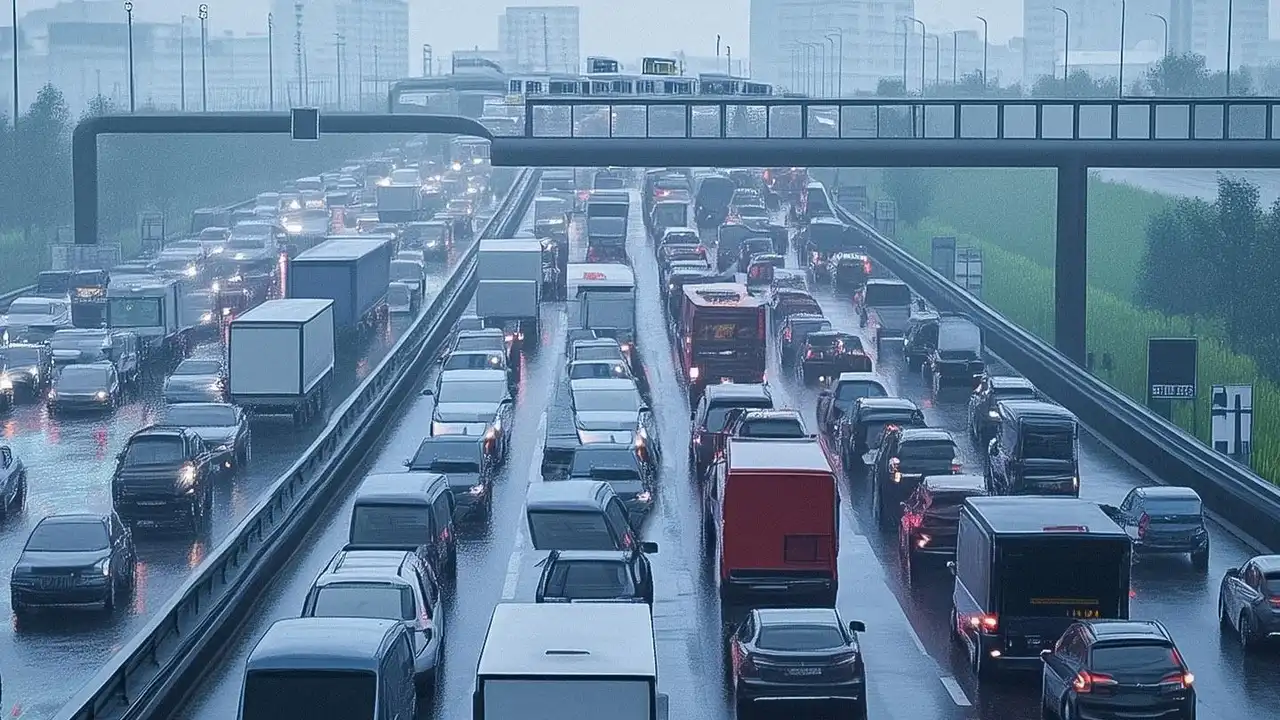
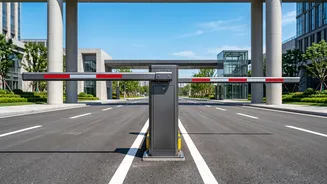
The restrictions will significantly impact a vast number of people who commute daily from National Capital Region (NCR) cities like Gurugram, Faridabad, Noida, and Ghaziabad into Delhi for work. According to transport department estimates, over a million vehicles in these neighbouring cities do not meet the BS-VI standard and could be affected. Authorities are planning strict enforcement at border points, using a combination of physical checks and AI-powered Automatic Number Plate Recognition (ANPR) cameras to identify and stop non-compliant vehicles. This could lead to significant travel disruptions for those who rely on older personal vehicles.
Exemptions to the Rule
While the ban is broad, there are several key exemptions. The restrictions do not apply to any vehicle running on electricity or CNG, regardless of its registration location. Additionally, vehicles providing essential and emergency services, such as ambulances, fire tenders, and those involved in sovereign duties, are permitted to enter Delhi. For daily commuters from NCR whose vehicles are non-compliant, the primary alternatives will be to switch to a BS-VI compliant vehicle, use carpooling services, or rely on public transportation like the Delhi Metro and interstate bus services.
Why These Rules Now?
These measures are distinct from the Graded Response Action Plan (GRAP), which imposes restrictions based on real-time air quality levels. The November 1 vehicle ban is a fixed, preventive measure under the city's Winter Action Plan, designed to preemptively tackle pollution from vehicular emissions, which are a major contributor to Delhi's toxic winter smog. The government is also implementing other measures simultaneously, such as a 'No PUC, No Fuel' rule, doubling parking fees to discourage private vehicle use, and restrictions on construction activities.