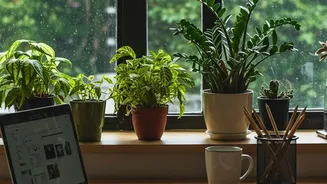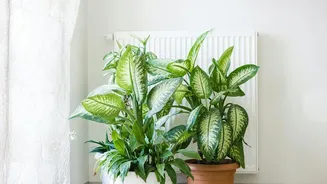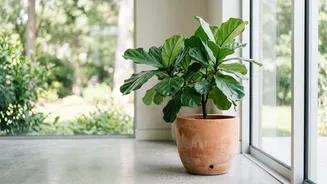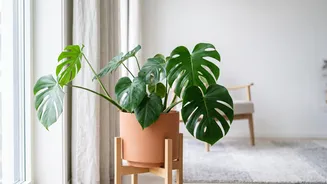



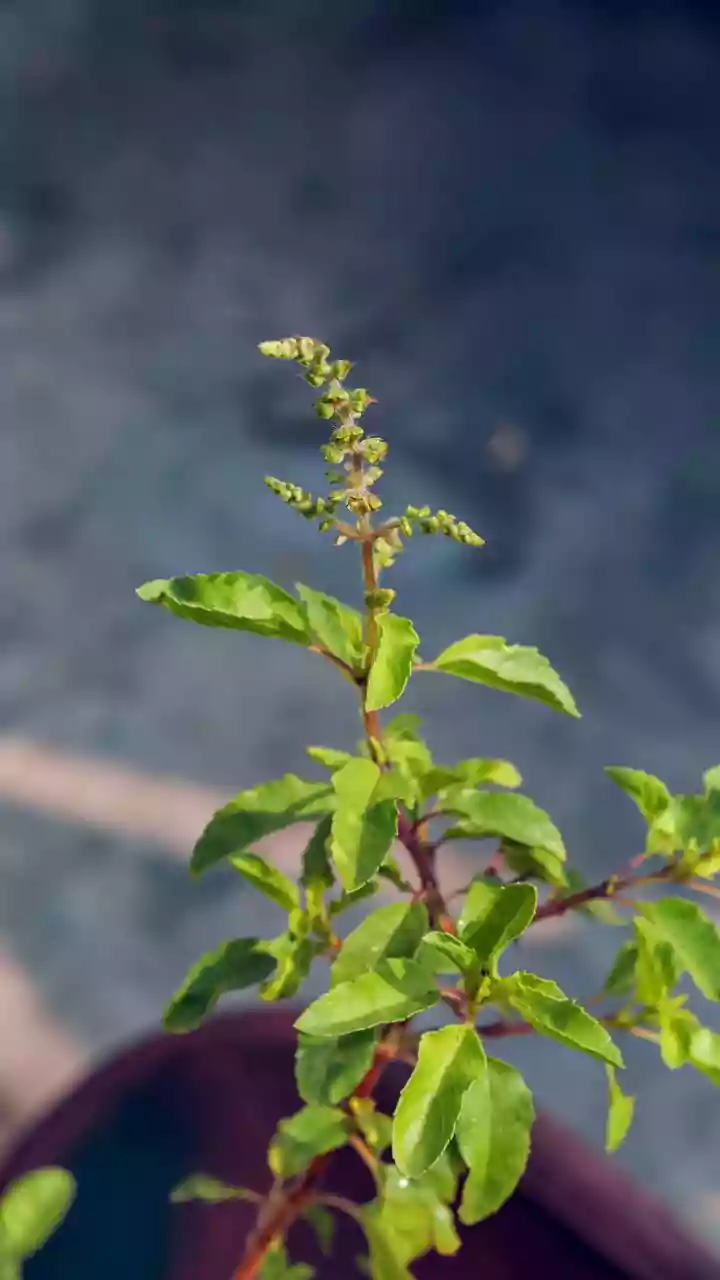
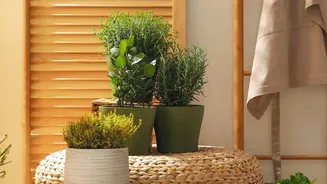
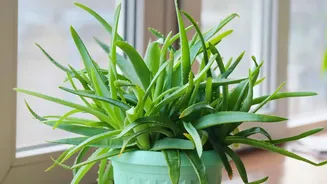

Ever notice your favourite houseplant starting to lean, with all its best leaves facing the window? This isn't your imagination; it's a clever survival instinct. Understanding this natural process is key to keeping your indoor garden thriving.
The Science of the Lean: What Is Phototropism?
That noticeable
tilt towards a light source has a scientific name: phototropism. It's a fundamental plant behaviour where they grow directionally in response to light. For the above-ground parts of a plant, like stems and leaves, this is 'positive phototropism'—they grow towards the light to maximise their exposure for photosynthesis. This process is driven by a plant hormone called auxin. When light shines on a plant from one primary direction, like a window, auxin concentrates on the shaded side of the stem. This buildup of auxin causes the cells on the darker side to elongate or grow faster than the cells on the lit side. This difference in growth rate forces the stem to bend and curve towards the light, ensuring its leaves can capture the energy they need to survive.
Why a One-Sided Plant Is a Weaker Plant
While phototropism is a natural survival strategy, it can cause problems for indoor plants over time. A persistent lean can lead to a lopsided, asymmetrical appearance. The side facing the window may become dense and lush, while the back remains sparse, with smaller, paler leaves. This isn't just an aesthetic issue. Uneven growth can lead to weaker, stretched-out stems that may struggle to support the plant's weight. In some cases, this structural imbalance can make the plant unstable in its pot. Furthermore, the crowded leaves on one side can reduce air circulation, potentially creating a more inviting environment for pests. By addressing the lean, you’re promoting a stronger, healthier, and more robust plant overall.
The Simple Fix: Mastering the Quarter-Turn
The most effective way to counteract phototropism and encourage balanced growth is simple: rotate your plants. This easy habit ensures all sides of the plant receive a fair share of light over time, promoting a more symmetrical and visually appealing shape. The most common recommendation is to give your plant a quarter-turn regularly. A great way to remember is to do it every time you water your plant. This integrates the task into your existing care routine. Consistently turning it in the same direction—say, always clockwise—helps you keep track. Over four waterings, the plant will have completed a full 360-degree rotation, distributing light exposure evenly and preventing a permanent lean from setting in.
How Often Should You Rotate?
There isn't one strict rule for every plant, as the ideal frequency depends on factors like the plant type and the amount of light it receives. As a general guideline, a quarter turn every one to two weeks is a good starting point for many common houseplants. Some experts suggest that for plants in very bright light, rotating every few months might be sufficient. However, for plants in lower or medium light conditions, more frequent rotations—every few weeks—can be more beneficial to prevent stretching. The key is observation. If you notice a plant starting to lean noticeably, it’s a clear signal that it’s time for a turn. If you have a plant that is already severely lopsided, you can give it a 180-degree turn to face the neglected side towards the light, encouraging it to fill out.
Are There Any Exceptions to the Rule?
While most foliage plants benefit from rotation, there are a few exceptions to keep in mind. Some plants simply don't like to be moved frequently. Notably, flowering plants that have already set buds, such as orchids or Christmas cacti, should not be rotated. Changing their orientation to the light at this critical stage can cause stress and may lead them to drop their buds before they have a chance to bloom. Additionally, some vining or climbing plants that have been trained to grow in a specific direction may have their progress disrupted by rotation. For these plants, it's often better to appreciate their natural, asymmetrical growth habit rather than forcing a uniform shape.