

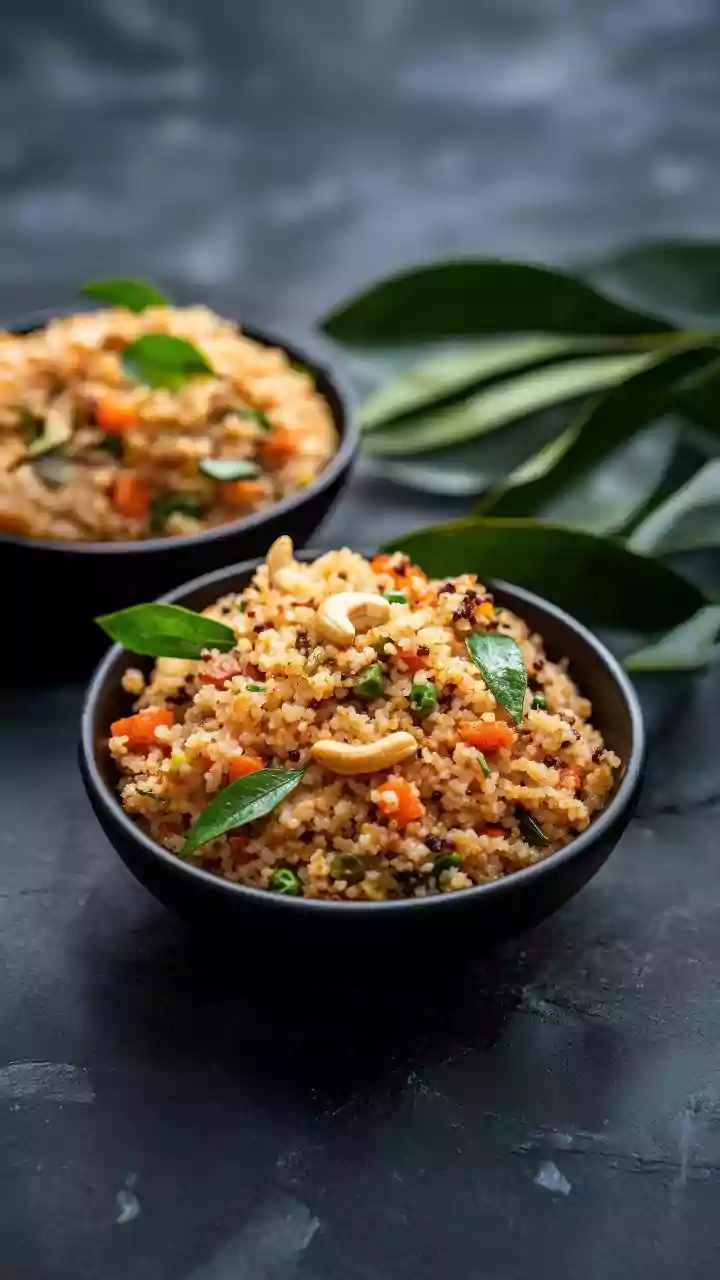
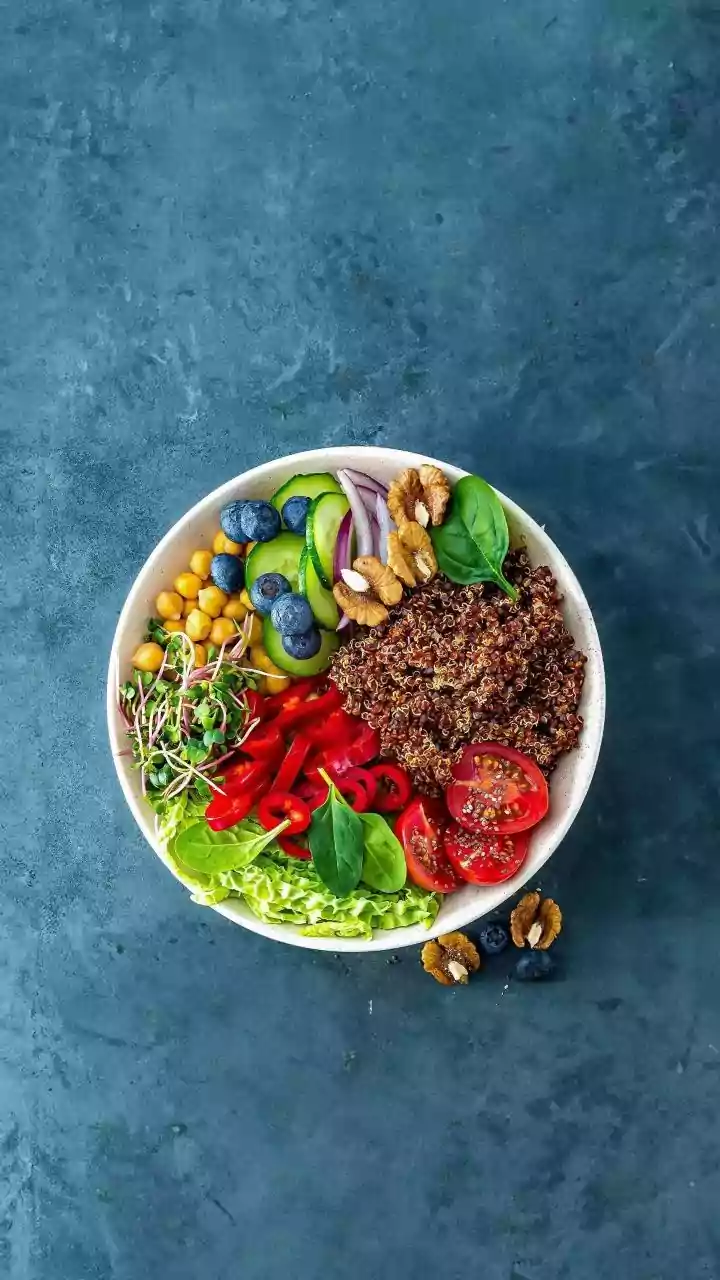



Looking for a breakfast that’s both modern and rooted in tradition? Millet-based smoothies are your answer. They blend the ancient goodness of whole grains with the convenience of a quick, drinkable meal, offering natural energy and lasting fullness.
The Ancient Grain for Modern Mornings
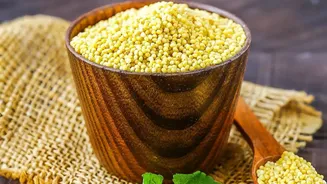
Millets, long a staple in Indian households, are experiencing a well-deserved comeback. These small but mighty grains are nutritional powerhouses, celebrated for being gluten-free and rich in protein, antioxidants, and essential minerals like magnesium, iron, and calcium. Their versatility makes them a perfect addition to the contemporary diet, and one of the easiest and most delicious ways to enjoy them is in a smoothie. By blending cooked millet with fruits, nuts, and milk or yogurt, you create a breakfast that is not just a meal, but a wellness ritual that honours a cherished superfood.
The Fibre Factor: Sustained Energy, Not a Sugar Crash
One of the standout benefits of millets is their high content of dietary fibre. Unlike refined grains that cause a rapid spike and subsequent crash in blood sugar, the complex carbohydrates and fibre in millets slow down digestion. This leads to a gradual release of glucose into the bloodstream, providing you with steady, sustained energy that keeps you focused and full until your next meal. Starting your day with a millet smoothie helps prevent mid-morning hunger pangs and reduces the temptation to reach for unhealthy, sugary snacks. This makes it an excellent choice for weight management and for maintaining stable energy levels throughout your busy day.
Unlocking Natural Sweetness Without the Guilt
Many millets, such as foxtail and finger millet (ragi), possess a naturally mild and nutty sweetness. When incorporated into a smoothie, this inherent flavour profile reduces the need for added sugars like honey, maple syrup, or refined sugar. Fruits like bananas, mangoes, or dates can complement this natural sweetness, creating a beverage that is both delicious and genuinely healthy. This is particularly beneficial for those managing their sugar intake or seeking healthier alternatives to commercially available breakfast drinks, which are often loaded with hidden sugars. A millet smoothie offers a satisfyingly sweet taste derived entirely from whole-food ingredients.
Your Guide to Smoothie-Ready Millets
To be used in a smoothie, millets must be cooked first. Raw millet is hard to digest and won't produce a creamy texture. The process is simple: rinse the millet, then cook it with a ratio of about one part millet to three parts water. Simmer for 20–25 minutes until the grains are soft and have absorbed the water. For an even better flavour and easier digestion, you can dry roast the grains in a pan for a few minutes before cooking until a nutty aroma is released. Alternatively, using roasted millet flour, like ragi flour, is a convenient shortcut. Simply cook the flour with a little water to form a paste before blending. Cooked millet can be stored in the refrigerator for a few days, making morning smoothie prep incredibly fast.
Building Your Perfect Blend
Creating your own millet smoothie is a canvas for culinary creativity. Start with a basic formula: about 1/4 cup of cooked millet or millet paste, one cup of liquid (like dairy milk, almond milk, coconut milk, or yogurt), and your choice of fruits. Bananas provide creaminess, while berries add a vibrant, antioxidant–rich punch. For an extra boost of nutrients and flavour, consider adding a spoonful of nut butter, a sprinkle of chia or flax seeds, or a dash of cardamom or cinnamon. For instance, a classic Ragi Banana Smoothie is great for bone health, while a Foxtail Millet and Mango blend offers a tropical, immune–boosting treat. Don't be afraid to experiment with different millet varieties like jowar (sorghum) or bajra (pearl millet) to find your favourite combination.