





Why 10 Minutes Is a Game-Changer
The biggest hurdle in fitness isn't effort; it's starting. An hour-long gym session can feel intimidating, making it easy to procrastinate. A 10-minute workout, however, is psychologically manageable. It’s short enough to squeeze in almost anywhere, lowering
the barrier to entry and making it easier to just get it done. Research shows that these short bursts of activity are surprisingly effective. They can improve cardiovascular health, help regulate blood sugar, and boost your mood by releasing endorphins. The goal of the 10-minute workout isn't to achieve peak performance in a single day, but to make movement a non-negotiable part of your daily routine. By showing up for just 10 minutes, you prove to yourself that you can stick to a plan, which is the first step in building a powerful new habit.
Consistency Trumps Intensity
There's a pervasive myth that for exercise to count, it must be long and grueling. This 'all-or-nothing' mindset often leads to burnout, injury, and giving up entirely. The real key to long-term fitness success is consistency. Your body adapts to regular signals, not occasional shocks. Exercising for 10 minutes every day creates a more powerful and sustainable habit than one heroic, high-intensity workout once a week. This steady approach allows your body to adapt and grow stronger without being constantly overloaded, reducing the risk of injury and mental fatigue. Over time, these small, consistent efforts compound, leading to significant improvements in strength, endurance, and overall health. Remember, fitness is a journey of persistence, not perfection. Showing up consistently is the win.
Designing Your Perfect 10-Minute Routine
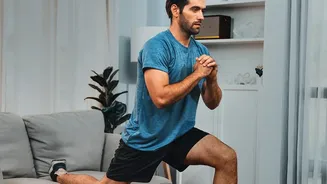
A great 10-minute workout doesn't require any equipment and can be done right in your living room. The key is to focus on compound exercises that work multiple muscle groups at once. A balanced routine should touch on cardio, strength, and a bit of core work. Start with a one-minute warm-up of light movements like arm circles and jogging in place. Then, create a simple circuit. For example, you could perform each of the following for 45 seconds, with 15 seconds of rest in between: Jumping Jacks (cardio), Squats (legs and glutes), Push-ups (chest, shoulders, and arms—do them on your knees if needed), and Planks (core). Repeat this circuit twice. Other great bodyweight exercises to mix in include lunges, sit-ups, and mountain climbers. The goal is to keep your heart rate elevated and move with purpose through the entire 10 minutes.
How to Make the Habit Stick
Building an automatic habit is about more than just willpower; it's about smart strategy. The science of habit formation tells us to rely on cues, routines, and rewards. One of the most effective methods is 'habit stacking', where you link your new workout habit to an existing one. For example: 'After I brush my teeth in the morning (the cue), I will do my 10-minute workout (the routine)'. Another powerful strategy is to create a consistent context by exercising at the same time and in the same place every day. This reduces the mental effort required to start. Laying out your workout clothes the night before serves as a strong visual cue. Finally, give yourself an immediate reward after you finish, which could be something as simple as enjoying a cup of coffee, listening to your favorite podcast, or just taking a moment to feel proud of your accomplishment. This reinforces the positive feedback loop in your brain.