



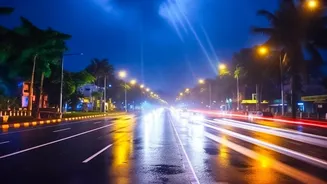


Bengaluru’s Monsoon Reality
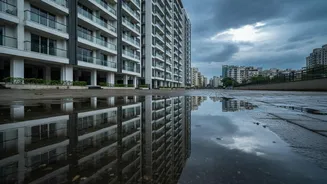
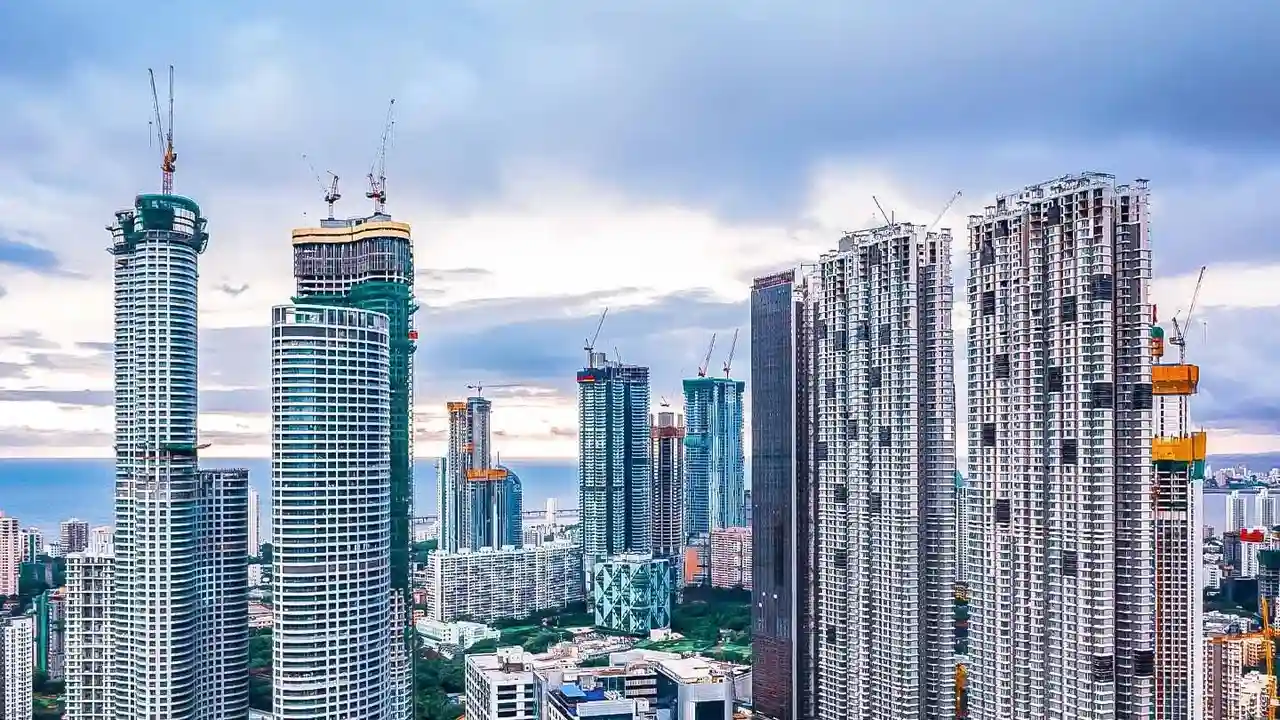
Bengaluru's rapid, often unplanned, urbanization has come at a cost. The city, once famed for its interconnected network of lakes, has seen its natural drainage systems choked by construction. The result is that even moderate rainfall can now lead to
severe waterlogging in areas that were once dry. Events in recent years, such as the widespread flooding along the Outer Ring Road and in Mahadevapura, have shifted the conversation. What was once considered a seasonal inconvenience is now a primary concern for residents and prospective homebuyers, impacting everything from the daily commute to the structural integrity of buildings. The question is no longer if certain parts of the city will flood, but which ones and by how much.
Mapping the High-Risk Zones
Recent data and official reports provide a clearer picture of the city's most vulnerable pockets. The Bruhat Bengaluru Mahanagara Palike (BBMP) has identified over 200 vulnerable stormwater drain zones, with a significant concentration in the Mahadevapura zone. Areas historically susceptible to flooding include those surrounding the Bellandur, Varthur, and Hebbal lakes. Other frequently mentioned hotspots are the Marathahalli-Bellandur stretch, Koramangala, Yemalur, Sarjapur Road, and parts of Whitefield and HSR Layout. This risk is often tied to properties built on or near former lakebeds and encroaching on 'rajakaluves'—the city's critical stormwater drains. Understanding these designated risk zones is the first step in making an informed property decision.
Your Pre-Purchase Flood Risk Checklist
Don't just rely on a sunny-day site visit. A comprehensive check is essential to safeguard your investment. Start by cross-referencing the property's survey number with BBMP's rajakaluve and flood inundation maps. Official sources like the BBMP GIS portal can show proximity to lakes and drains. Look for government-mandated buffer zones, which are typically 30-50 metres from the centre of a rajakaluve and 75 metres from a lake boundary; construction within these zones faces demolition risk. Physically inspect the property during or after a heavy downpour to see how the area drains. Talk to neighbours and existing residents about their monsoon experiences—their insights are invaluable and often more telling than a brochure. Finally, check for tell-tale signs like water marks on lower walls or fresh paint jobs on the ground floor, which can be used to hide past damage.
Legal and Financial Implications
Buying in a flood-prone zone carries significant legal and financial risks that go beyond the inconvenience of waterlogging. Properties found to be encroaching on rajakaluve buffers or lake regulatory zones can face demolition orders from the BBMP, regardless of their registration status. This has made financial institutions cautious. Many banks are now refusing to approve home loans for properties located in identified high-risk areas, making it difficult to secure financing. Furthermore, even if you can buy the property, getting property insurance can be complicated, and claims for flood damage may be disputed if the construction is deemed illegal. These factors can severely depress the resale value of a property, turning a prospective asset into a long-term liability.
Demand, Prices, and the Bigger Picture
Interestingly, despite the clear risks, property prices in many flood-prone but commercially important areas like Sarjapur Road and Koramangala have continued to rise. This is often attributed to the trade-off many professionals make, prioritising proximity to IT corridors over the occasional hardship of a flooded street. However, real estate brokers report a noticeable shift in buyer sentiment, with demand dropping in some repeatedly affected localities as the first question from buyers is increasingly, "Does the area flood?" While some developers are now leveraging better design and technology to create flood-resilient projects, the onus remains on the buyer to look beyond the amenities. The ultimate value of a home depends not just on its location, but on its long-term safety and livability.