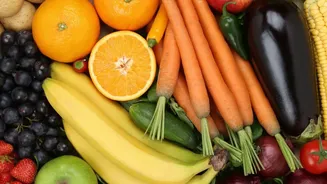






The Classic Winter Staple: Oranges (Santra)
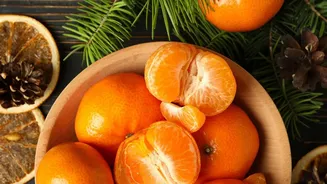
When you think of winter fruits in India, the humble orange, or santra, is often the first to come to mind. For good reason, the arrival of juicy, easy-to-peel oranges, especially the famed Nagpur and Kinnow varieties, signals that winter has truly set
in. Beyond their refreshing taste, oranges are a powerhouse of nutrition. They are most famous for their high Vitamin C content, a potent antioxidant that is crucial for strengthening the immune system. During the colder months, when colds and flu are common, a daily dose of Vitamin C can help your body produce the white blood cells needed to fight off infections. Oranges are also a good source of dietary fibre, which aids digestion and promotes regular bowel movements. Additionally, the flavonoids and potassium in oranges contribute to heart health by helping to manage blood pressure and reduce inflammation.
The Immunity Powerhouse: Amla (Indian Gooseberry)
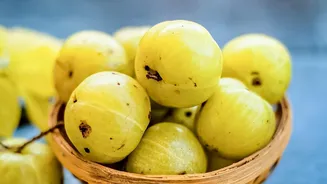
If oranges are the popular face of winter immunity, amla is the quiet champion. This small, translucent green fruit boasts one of the highest concentrations of Vitamin C found in nature, containing roughly 20 times more than an orange. Unlike synthetic supplements, the Vitamin C in amla is bonded with tannins, making it more stable and easily absorbed by the body. Traditionally revered in Ayurveda as a 'Rasayana' or rejuvenator, amla is a key ingredient in many wellness practices for its ability to boost immunity and fight oxidative stress. Regular consumption can stimulate the production of white blood cells, which are the body's primary defence against pathogens. Amla also supports digestive health by promoting the secretion of gastric juices and aids liver function by helping to flush out toxins. Its benefits extend to hair and skin, strengthening follicles and promoting collagen production.
The Underrated Gem: Guava (Amrood)
Often sold by street vendors with a sprinkle of salt and chilli, guava, or amrood, is an underappreciated winter treasure. While it fruits twice a year, the winter crop is known for being sweeter and more fragrant. Surprisingly, guava is one of the richest sources of Vitamin C, containing even more than oranges, making it another excellent choice for boosting your immunity during the cold season. It is exceptionally high in dietary fibre, with about 5.4 grams per 100-gram serving, which significantly aids digestion, prevents constipation, and keeps you feeling full for longer. This makes it a great snack for weight management. Guavas, especially the pink-fleshed variety, are also rich in lycopene, a powerful antioxidant. Furthermore, the potassium in guava helps regulate blood pressure, contributing to better cardiovascular health.
The Jewel-Toned Wonder: Pomegranate (Anar)
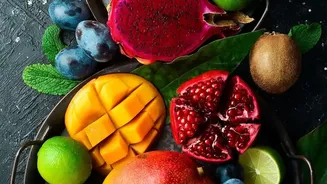
With its ruby-red seeds, the pomegranate, or anar, is as beautiful as it is healthy. This fruit is celebrated for its powerful antioxidant properties, thanks to compounds like punicalagins and anthocyanins. These antioxidants help combat oxidative stress and inflammation, which are root causes of many chronic diseases. Pomegranate is particularly noted for its benefits to heart health. Studies suggest it can help prevent the oxidation of LDL ('bad') cholesterol, a key step in the development of arterial plaque. It may also help lower blood pressure and improve overall circulation. Rich in fibre, vitamins C and K, and iron, pomegranates are a great addition to your winter diet to support everything from immunity to blood health. While de-seeding can seem like a chore, the effort is well worth the nutritional reward.
The Creamy Delight: Custard Apple (Sitaphal)
The custard apple, or sitaphal, with its unique knobbly green skin and sweet, creamy pulp, is a truly decadent seasonal treat. Available from late monsoon through early winter, its season is relatively short, making it a highly anticipated fruit. Sitaphal is a great source of energy, thanks to its natural sugars, but it also provides a wealth of essential nutrients. It is rich in vitamins C and B6, as well as minerals like potassium and magnesium. The high levels of potassium and magnesium are beneficial for cardiovascular health as they help in the dilation of blood vessels, which can aid in maintaining lower blood pressure. The fruit also contains a good amount of dietary fibre, which helps in digestion and promotes a healthy gut. Its antioxidant content helps protect the body from cellular damage.