

Why Sitting and Snacking Causes Discomfort
Long hours in a car create a perfect storm for digestive distress. Firstly, being sedentary for an extended period slows down your entire digestive system. When you're sitting, especially in a slumped posture, your abdomen is compressed, which can trap
gas and make it harder for your gut to process food efficiently. This physical inactivity reduces the natural muscle contractions that help move food and gas through your intestines. The result is that feeling of being overly full and bloated. Secondly, typical road trip snacks are often the worst culprits. Carbonated drinks introduce excess gas directly into your system, while many processed snacks are high in sodium, sugar, and hard-to-digest ingredients that can exacerbate the problem.
The Usual Suspects: Foods to Skip Before You Drive
To ensure a comfortable journey, it's wise to avoid foods known for producing excess gas in the 12 to 24 hours before you hit the road. Many of these contain specific types of carbohydrates known as FODMAPs, which are poorly absorbed and ferment in the gut, causing gas and bloating. Key foods to place on your pre-trip 'do not eat' list include: beans and lentils, cruciferous vegetables like broccoli, cauliflower, and Brussels sprouts, onions and garlic, and whole grains like wheat and rye. Dairy products containing lactose can also be a problem for many people. Additionally, be wary of sugar-free gum and snacks, as they often contain sugar alcohols like sorbitol, which are notorious for causing digestive upset. Finally, fatty, greasy, or fried foods can slow digestion, giving gas more time to build up.
Your Go-To Menu for a Happy Gut
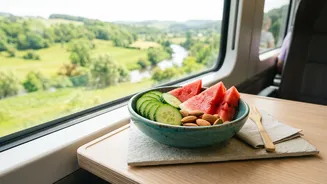
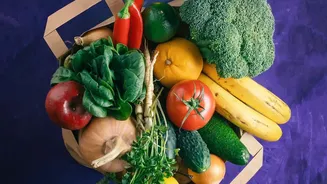
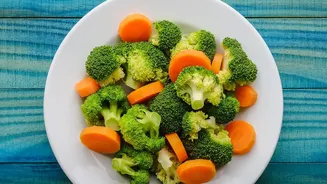
So, what should you eat? Focus on simple, easily digestible foods. Lean proteins are an excellent choice; think grilled chicken, turkey, or hard-boiled eggs. Simple carbohydrates with less fibre, such as white rice or gluten-free bread, are less likely to cause issues than their whole-grain counterparts. For fruits, stick to low-FODMAP options like bananas, citrus fruits, grapes, and berries in moderation. Cooked vegetables are generally easier to digest than raw ones. Good choices include carrots, spinach, and bell peppers. If you're looking for snacks to pack, unsalted nuts, plain protein bars with simple ingredients, and rice cakes are all solid options that won't leave you feeling uncomfortable.
Beyond Food: Smart Travel Habits
Your eating strategy isn't just about what you eat, but also how you eat. Instead of having a large, heavy meal right before you leave, opt for a moderate-sized meal about one to two hours before your departure. While on the road, it's better to have small snacks throughout the drive rather than big meals at rest stops. Hydration is also key. While it may seem counterintuitive to drink more when you want to limit bathroom breaks, staying hydrated with plain water helps keep your digestive system moving and can prevent constipation, which contributes to bloating. Avoid carbonated beverages and sugary juices. Sipping water steadily is more effective than chugging a large amount at once. Finally, use your rest stops to walk around and stretch. A little bit of movement can go a long way in stimulating digestion and relieving trapped gas.