




A Tale of Two Treasures
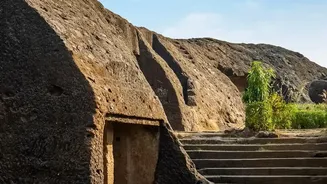
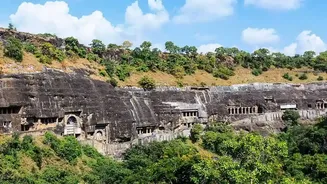
While often spoken of in the same breath, the Ajanta and Ellora caves are two distinct UNESCO World Heritage sites, separated by about 100 kilometres in Maharashtra. To visit them is to witness the pinnacle of ancient Indian art and architecture. The
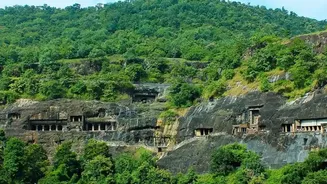
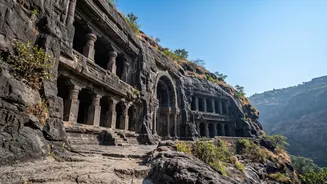
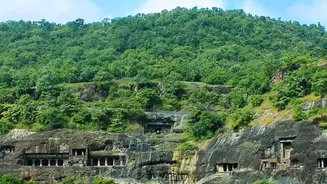
appeal lies not just in their age, but in the completely different stories they tell. Ajanta, nestled in a scenic, horseshoe-shaped gorge, is a near-exclusive Buddhist site celebrated for its breathtaking paintings. Ellora, on the other hand, is a sprawling complex known for its monumental sculptures and its unique representation of three major Indian faiths—Buddhism, Hinduism, and Jainism—coexisting in one location.
Ajanta: A Painted Library of Ancient Life
The true magic of Ajanta lies on its walls. The caves, carved in two phases starting from the 2nd century BCE, served as monasteries and prayer halls for Buddhist monks. What they left behind is considered among the finest surviving examples of ancient Indian art. The murals, created with mineral and vegetable pigments, are remarkably preserved and vibrant, even after two millennia. These are not just decorative patterns; they are narrative masterpieces. The walls depict the Jataka tales—stories of the Buddha's previous lives—as well as scenes of royal courts, common life, and celestial beings, providing an unparalleled window into the culture and beliefs of ancient India. For a cultural traveller, walking through Ajanta is like reading an illustrated history book painted by masters. The artistry in caves 1, 2, 16, and 17 is particularly renowned.
Ellora: An Architectural Ode to Harmony
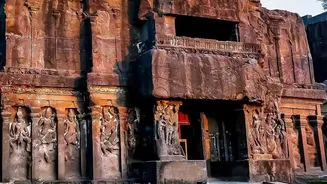
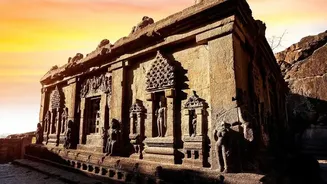
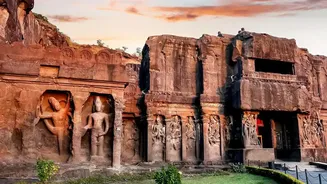
If Ajanta is about painting, Ellora is about pure architectural might and spiritual harmony. Carved between the 6th and 10th centuries CE, its 34 caves are a stunning display of religious tolerance. Here, Buddhist, Hindu, and Jain temples stand side-by-side, each with its own distinctive style. The undisputed crown jewel is the Kailasa Temple (Cave 16). It is not a structure that was built, but one that was excavated. Artisans carved it from the top down out of a single, massive rock, removing tonnes of stone to reveal a freestanding, multi-storey temple complex that is larger than the Parthenon in Athens. This monolithic marvel, dedicated to Lord Shiva, is adorned with intricate sculptures of deities, myths, and epic tales, leaving visitors speechless at the sheer scale of ambition and devotion.
The Spiritual and Modern Connection
The appeal of these caves transcends art and history; it is also deeply spiritual. They were active centres of worship, meditation, and learning for centuries. For today's cultural traveller, that energy is still palpable. You can feel the quiet devotion in a Buddhist prayer hall at Ajanta and the powerful aura of the Kailasa Temple at Ellora. This spiritual dimension is often why tours, such as those offered by IRCTC, bundle these historical sites with a visit to Shirdi, a major pilgrimage centre for devotees of Sai Baba. This combination creates a circuit that caters to both the cultural historian and the spiritual seeker, offering a more holistic journey through Maharashtra's rich heritage.