


More Than Just Staying Dry
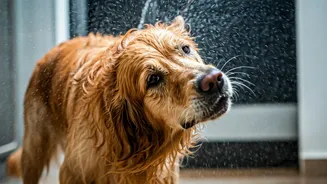
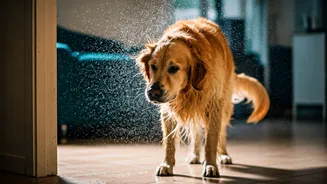
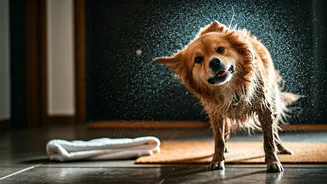
The primary job of a raincoat is obvious: to keep your dog dry. But the benefits go beyond simply avoiding a wet dog smell in the house. Constant dampness can be a serious problem for a dog’s skin and coat. Trapped moisture can lead to fungal or bacterial
infections, hot spots, and general skin irritation, especially for breeds with thick double coats or those prone to skin allergies. A good waterproof coat prevents water from seeping through to the skin, keeping your furry friend comfortable and healthy. Furthermore, staying dry helps your dog regulate their body temperature. A soaked coat loses its insulating properties, which can leave smaller breeds, puppies, or senior dogs feeling chilled and miserable after a walk in the rain.
The Critical Role of High Visibility
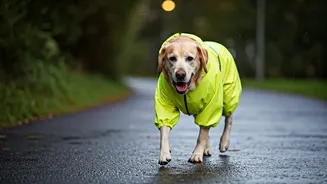
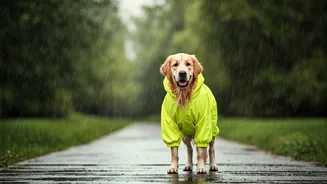
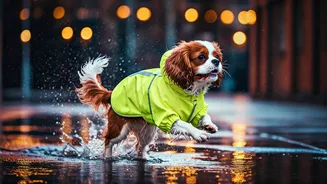
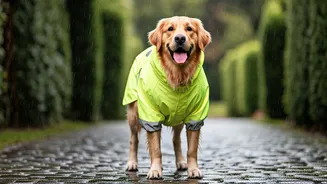
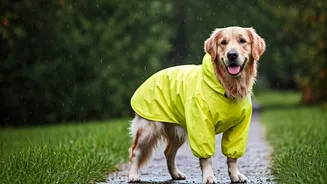
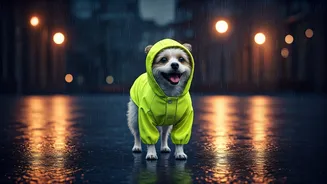
The headline's emphasis on “high visibility” and “neon” is not a fashion statement; it's a critical safety directive. Monsoon weather in India often means grey, overcast skies, heavy downpours, and even fog, all of which dramatically reduce visibility for drivers, cyclists, and pedestrians. In these low-light conditions, a dog with a brown, black, or grey coat can become nearly invisible against the backdrop of a wet road or pavement. A brightly coloured neon raincoat—in shades of yellow, orange, pink, or green—makes your dog stand out instantly. Many of these coats also come with reflective strips or piping that catch and reflect light from headlights, streetlights, and torches, making your pet visible from a much greater distance during evening or early morning walks. This simple feature can be the difference that prevents a tragic accident.
Choosing the Right Waterproof Material
Not all raincoats are created equal. When you start shopping, you’ll encounter terms like “water-resistant” and “waterproof.” Water-resistant fabrics can handle a light drizzle but will eventually let water seep through in a steady downpour. For the Indian monsoon, you need a truly waterproof material. Look for coats made from fabrics like polyester or nylon that have a PVC (polyvinyl chloride) or similar waterproof coating. These materials are durable, lightweight, and effective at blocking rain. Another key feature to check for is taped or sealed seams. Even if the fabric is waterproof, water can penetrate through the tiny holes made by stitching. Taped seams have a waterproof strip covering them on the inside, ensuring complete protection from leaks and keeping your dog perfectly dry even during the heaviest rain.
How to Ensure the Perfect Fit
A poorly fitting raincoat is almost as bad as no raincoat at all. If it's too tight, it will be uncomfortable, restrict movement, and may cause chafing. If it’s too loose, it can sag, get caught on obstacles, or fail to provide adequate coverage, leaving your dog’s underbelly and hindquarters exposed to rain and splashes. To get the right size, you need to take three key measurements: the back length (from the base of the neck to the base of the tail), the chest girth (the widest part of the chest, right behind the front legs), and the neck girth. Always compare your dog’s measurements to the manufacturer’s sizing chart, as sizes can vary significantly between brands. A well-fitting coat should provide full coverage over the back without being so long that it interferes with tail-wagging or toilet breaks.
Smart Features for Comfort and Use
Beyond the basic fit and material, several thoughtful features can enhance a raincoat’s functionality. Look for a coat with a built-in leash hole or slot, often covered with a protective flap. This allows you to easily attach a leash to your dog’s collar or harness without compromising the coat's waterproof integrity. Adjustable straps, usually around the chest and belly, are essential for customising the fit and ensuring the coat stays securely in place. Some designs include elastic leg straps to keep the back of the coat from flying up in the wind. While some dogs dislike them, a hood can offer extra protection for your dog’s head and ears. Finally, consider how easy the coat is to clean—a machine-washable fabric is a huge plus for dealing with the inevitable monsoon mud.