

Understanding the Bhog Philosophy
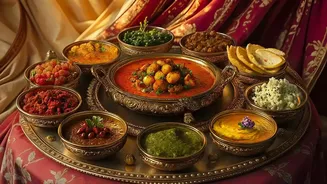
A traditional Durga Puja bhog is more than just a meal; it's an offering made with devotion. The food is 'niramish', which means it is purely vegetarian and, in this context, also prepared without onions or garlic. This Sattvic style of cooking focuses
on fresh, seasonal ingredients and subtle spices that create a meal that is both flavourful and spiritually pure. The classic bhog centres around a few key dishes that balance texture, taste, and tradition, creating a spread that is comforting and celebratory. The aim is to prepare food that is simple, wholesome, and fit for the divine.
The Centrepiece: Bhoger Khichuri
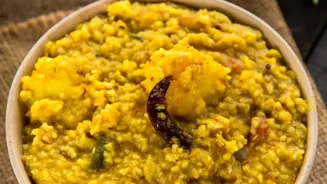
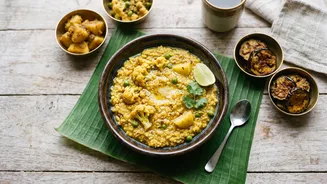
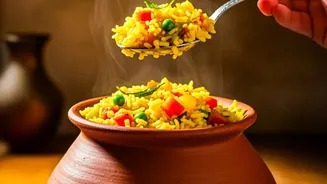
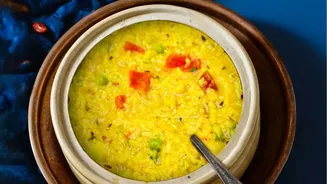
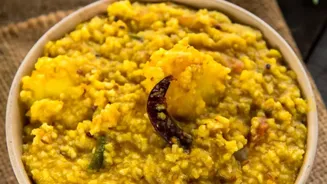
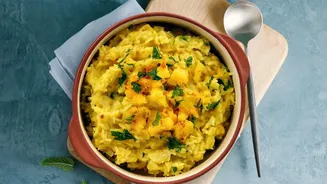
At the heart of every bhog plate is the Bhoger Khichuri. This isn't your everyday khichdi; it's a fragrant, soft, and almost porridge-like preparation made from roasted moong dal and a small-grained, aromatic rice like Gobindobhog. The moong dal is dry-roasted until it emits a nutty aroma before being cooked with the rice. Vegetables like cauliflower and peas are often added, along with a tempering of whole spices like cinnamon, cloves, and bay leaves in ghee. The key is its comforting, semi-liquid consistency, which makes it the perfect base for the other accompaniments.
The Perfect Partner: Labra
No khichuri is complete without its faithful companion, Labra. This slow-cooked mixed vegetable dish is a medley of seasonal produce. Typically, it includes a variety of vegetables like pumpkin, potatoes, brinjal, carrots, and beans, all chopped into bite-sized pieces. The magic lies in the 'panch phoron', a Bengali five-spice blend, which is tempered in mustard oil to release its aroma. The vegetables are then cooked down until soft and well-mixed, with a hint of sweetness from pumpkin and a touch of ginger paste for warmth. Labra is designed to complement the khichuri, not overpower it, with its gentle spice and soft texture.
The Crunchy Contrast: Beguni or Bhaja
To add a much-needed crunch to the soft textures of khichuri and labra, a fried item, or 'bhaja', is essential. The most iconic of these is Beguni—thin slices of eggplant dipped in a spiced gram flour (besan) batter and deep-fried until golden and crispy. The batter, often seasoned with nigella seeds and a pinch of turmeric, creates a light yet crunchy coating around the tender eggplant inside. If you're not a fan of eggplant, simple fried potatoes (Aloo Bhaja) or fried papad also serve the purpose of adding that satisfying crunch to every bite.
The Sweet & Tangy Finish: Tomato Chutney
A Bengali meal often concludes with a sweet and tangy chutney, and the bhog spread is no exception. The most common choice is a luscious Tomato Chutney. Ripe tomatoes are slow-cooked until they become soft and jam-like. The chutney is typically sweetened with sugar and gets its tang from ingredients like mango leather (aamsotto) and its rich texture from additions like dates (khejur) and raisins. Tempered with panch phoron and a dry red chilli in mustard oil, this chutney acts as a palate cleanser and provides a delightful burst of sweet and sour flavours that tie the whole meal together.
The Divine Dessert: Payesh
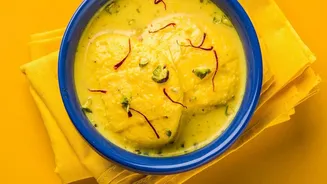
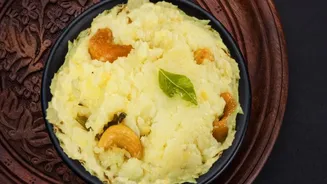
The final offering is a sweet one, typically Chaler Payesh, a Bengali rice pudding. Similar to kheer, this dessert is made by slow-cooking aromatic Gobindobhog rice in full-fat milk until the mixture thickens and the rice is tender. It’s flavoured delicately with green cardamom, bay leaves, and sweetened with either sugar or, for a more traditional flavour, date palm jaggery (nolen gur) when in season. Garnished with nuts and raisins, this creamy, fragrant dessert is the perfect, auspicious end to a divine meal.