



The Zero-Waste Kitchen Philosophy
In many traditional Indian homes, the concept of 'waste not, want not' is a way of life. Every part of a vegetable is used, from root to tip. This isn't just about being frugal; it's about respecting ingredients and unlocking hidden flavours. Peels, stems,
and stalks, often discarded, are packed with fibre and micronutrients. By turning them into chutneys, you're not only reducing your kitchen waste but also adding a healthy, flavourful, and completely new dish to your dining table. The trick is to know which scraps work best and how to prepare them quickly.
First, The Golden Rules
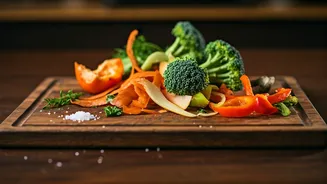
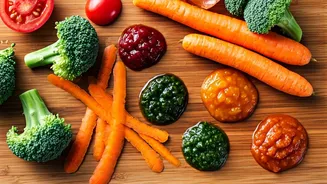
Before you start, keep a few things in mind for the best results. First, always use scraps from fresh, thoroughly washed vegetables. If the peel is waxy, bruised, or looks old, it's best to compost it. Second, focus on tender peels and stems. The peels of lauki (bottle gourd), turai (ridge gourd), carrots, and cucumbers are excellent. Tough stems from cauliflower and broccoli, and flavourful stalks from coriander (dhania) and mint (pudina) are also fantastic candidates. The 'instant' magic comes from a simple formula: a quick sauté to soften the scraps and a powerful blend with classic Indian spices. Have your blender ready!
Ridge Gourd Peel (Turai) Chutney
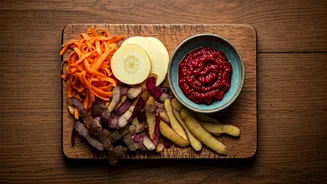
This is a South Indian classic for a reason. The slightly bitter peel transforms into a savoury, tangy delight. **Ingredients:** - Peels from 2 medium ridge gourds (turai) - 1 tbsp oil - 1 tsp urad dal - 1 tsp chana dal - 2-3 dried red chillies - A small piece of tamarind - 2 tbsp grated coconut (fresh or frozen) - Salt to taste **Method:** Heat oil in a pan. Add the dals and red chillies, and sauté until the dals turn golden. Add the turai peels and sauté for 4-5 minutes until they wilt and soften. Turn off the heat and let it cool completely. Transfer the mixture to a blender jar, add coconut, tamarind, and salt. Add a few tablespoons of water and grind to a slightly coarse paste. It’s perfect with hot rice and ghee.
Carrot Peel & Ginger Chutney
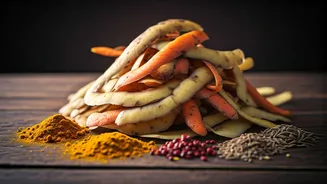
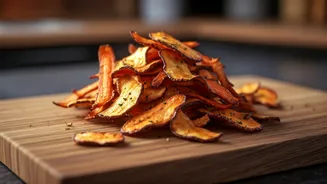
Don’t throw away those nutrient-rich carrot peels! They have a subtle sweetness that pairs beautifully with the sharpness of ginger. **Ingredients:** - Peels from 3-4 medium carrots - 1 tbsp oil - 1-inch piece of ginger, roughly chopped - 2 green chillies - 1 tbsp roasted peanuts or chana dal - Juice of half a lemon - Salt to taste **Method:** Wash the carrot peels thoroughly. Heat oil in a pan, add the ginger and green chillies, and sauté for a minute. Add the carrot peels and cook for 3-4 minutes until they are soft. Let the mixture cool down. Transfer to a blender, add the roasted peanuts, salt, and lemon juice. Blend to a smooth paste, adding a little water if needed. This chutney is a great side for dosas and idlis.
Coriander Stem & Peanut Chutney
The stems of coriander are more flavourful than the leaves. Combining them with peanuts creates a creamy, vibrant green chutney that is far superior to any store-bought version. **Ingredients:** - A large handful of coriander stems (with a few leaves is fine) - 1/4 cup roasted peanuts - 2 cloves of garlic - 1-2 green chillies - Juice of half a lemon - Salt to taste **Method:** This one is truly instant—no cooking required! Simply combine all the ingredients in a blender. Add 2-3 tablespoons of water to get it started and blend until you have a smooth, creamy chutney. If it’s too thick, add a bit more water. This is the ultimate chutney for sandwiches, chaat, or as a dip for pakoras.
Tips for Perfect Scrap Chutneys
To elevate your chutney game, remember these tips. A simple tadka (tempering) of mustard seeds, curry leaves, and a pinch of asafoetida (hing) in hot oil, poured over the chutney, adds a professional finish. Don't be afraid to mix and match. Cauliflower stems can be used just like gourd peels. A little bit of jaggery can balance the flavours if your chutney is too spicy or tangy. Finally, these chutneys are best consumed fresh, but they will keep in an airtight container in the refrigerator for 2-3 days.