

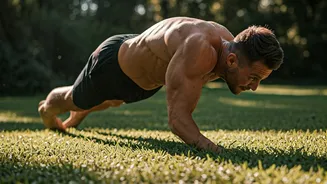



What Exactly is Animal Flow?
Before you start picturing a workout that involves chasing squirrels, let's clarify. Animal Flow is a structured, ground-based bodyweight program that centres on movements inspired by—you guessed it—animals. But it's not mimicry for its own sake. The
system is designed to improve strength, flexibility, mobility, and coordination all at once. Think of it as a blend of yoga's flow, gymnastics' strength, and breakdancing's creativity, all performed on 'all fours' in various orientations. The goal is to move your body in ways it was designed to, reconnecting with primal movement patterns that modern life has often trained out of us.
Why Take Your Practice Outdoors?
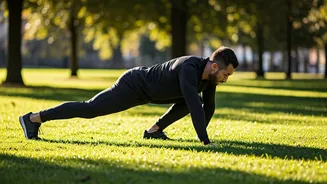
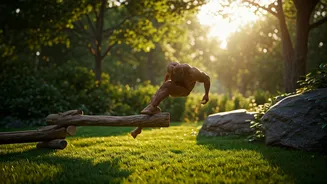
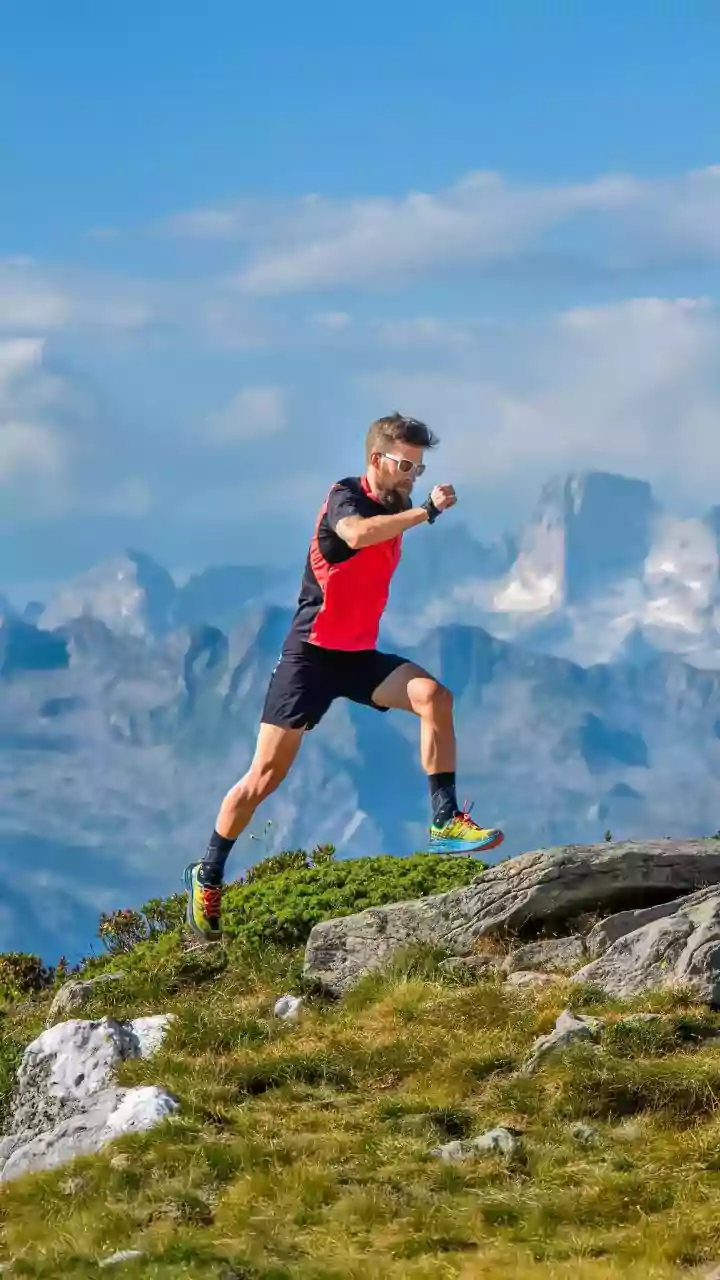
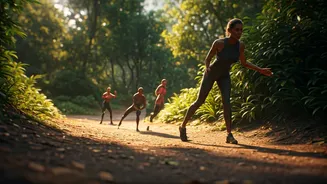
Moving these exercises from the studio floor to a park or lawn adds a powerful new dimension. An uneven patch of grass, a slight incline, or the texture of sand forces your body's small stabiliser muscles to work overtime, enhancing your balance and proprioception (your sense of where your body is in space). The natural environment also offers mental benefits. The fresh air, sunlight, and connection with nature can reduce stress and increase feelings of well-being, turning your workout from a chore into a form of active meditation. It challenges your adaptability and makes the workout more dynamic and far less predictable than a perfectly flat gym floor.
Start with the 'ABCs': Ape, Beast, and Crab
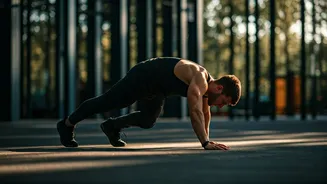
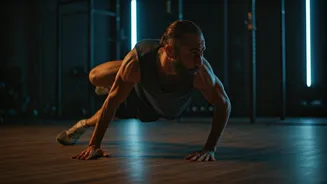
Every Animal Flow practice is built on a few key positions. Mastering these is your first step. These aren't just static poses; they are the home base from which all other movements originate. * Beast: Start on your hands and knees, with hands under your shoulders and knees under your hips. Now, lift your knees just an inch or two off the ground, keeping your back flat like a tabletop. Feel the engagement in your core and quads. This is your 'loaded' beast position. * Crab: Sit on the ground with your knees bent and feet flat on the floor. Place your hands behind you, fingers pointing towards your hips or slightly out. Lift your hips off the ground. This is your Crab position, great for opening the chest and shoulders. * Ape: Start in a deep squat, with your feet wide and your weight in your heels. Your hands are on the ground between your feet. This position is fantastic for hip mobility.
Challenge 1: The Underswitch Flow
The Underswitch is a fundamental transition that links your base positions. It looks complex but is surprisingly intuitive once you get the rhythm. Start in Beast. As you lift your right hand, simultaneously lift your left leg. Swing your left leg under your body, pivoting on your right foot until you land your left foot where your right hand was. As you do this, your body rotates and you land softly in the Crab position. From there, you can reverse the movement to return to Beast. Practice this flow slowly on both sides. It builds coordination and core control, forming the fluid 'flow' part of Animal Flow.
Challenge 2: Building to the Lifts
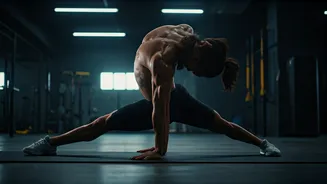
The 'defying lifts' in the headline refer to moments where you feel almost weightless. These aren't just for gymnasts; they are accessible through progression. The key is building the prerequisite strength and stability. Two moves are crucial here: * Beast Reach: From your Beast position, slowly reach one arm forward while simultaneously extending the opposite leg back. The goal is to create a long, straight line from your fingertips to your heel without letting your hips rock or your back sag. Hold for a moment, then return to the start and switch sides. * Crab Reach: From your Crab position, lift one arm and reach it up and over your head, arching your back and lifting your hips high towards the sky. This is a powerful stretch for the entire front of your body and builds shoulder stability. Return to the start and switch.
The Apex Challenge: The Tuck Balance
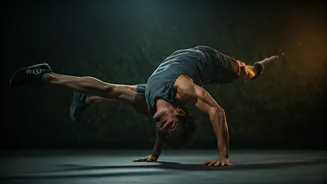
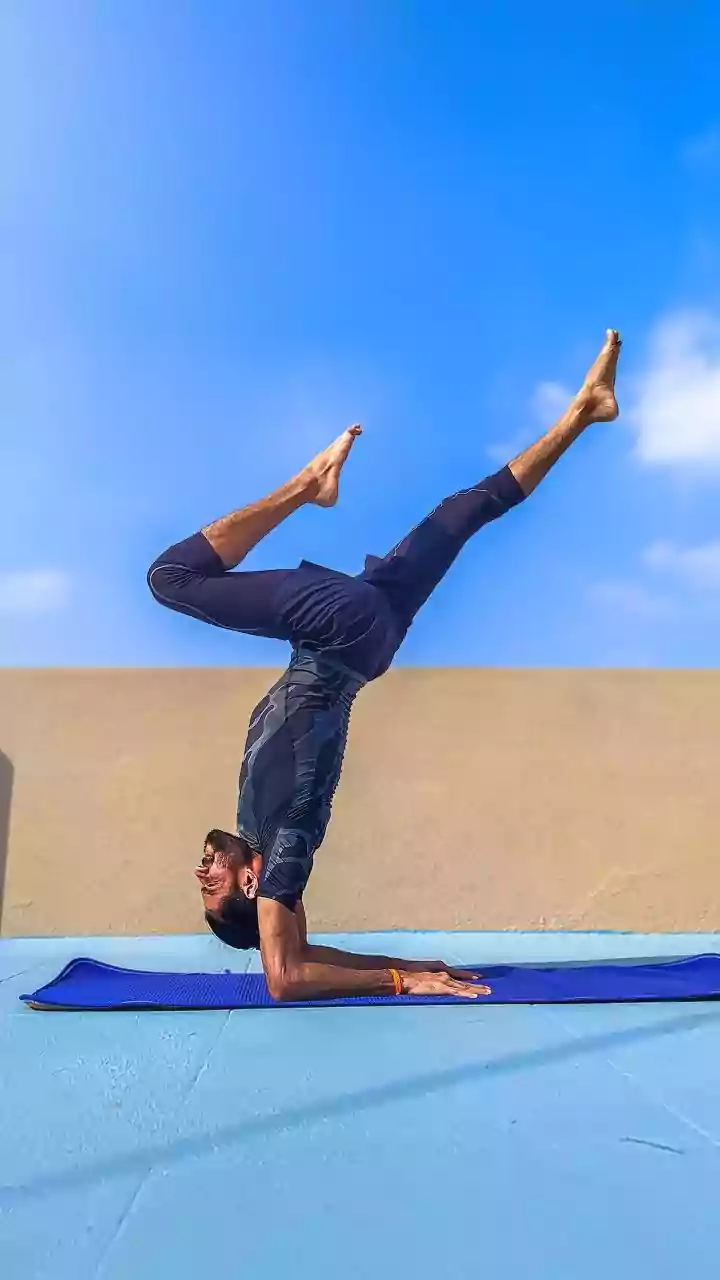
Here's your gravity-defying moment. The Tuck Balance is a precursor to more advanced skills like handstands. Start in your loaded Beast position. Ensure your hands are firmly planted, with your fingers spread wide for a solid base. Shift your weight forward slightly over your hands, engaging your shoulders. From here, use your core to slowly pull your knees towards your chest, lifting your feet off the ground into a floating 'tuck' position. Your knees might come to rest on your triceps. The goal is to hold this balance for a split second, then a few seconds, before returning your feet gently to the ground. This move requires significant core and wrist strength, so build up to it slowly. Mastering this feeling of a controlled 'lift-off' is incredibly rewarding.