



Saturn at Opposition
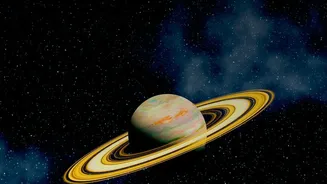
October kicks off with a fantastic opportunity to see the solar system's ringed jewel. On October 4, Saturn reaches opposition, which means Earth will be directly between the planet and the Sun. This alignment makes Saturn appear at its biggest and brightest
for the year, and it will be visible all night long. While you can spot Saturn as a bright, steady point of light with just your eyes, a small telescope will reveal its famous rings. Look for it rising in the eastern sky around sunset. Don't worry if you miss the exact date; Saturn will remain a brilliant target for skywatchers throughout the month.
Draconid Meteor Shower
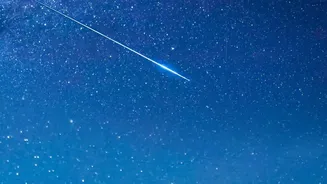
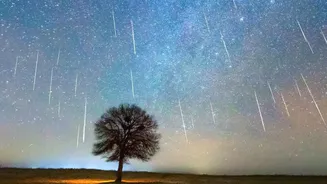
The first of two meteor showers this month, the Draconids, is set to peak on the night of October 8-9. Unlike most meteor showers that are best viewed in the pre-dawn hours, the Draconids are best seen in the evening, just after nightfall. This shower is produced by dust left behind by comet 21P/Giacobini-Zinner. While it's typically a minor shower, producing about 5 to 10 meteors per hour, it is known for occasional, unpredictable outbursts. The great news for 2026 is that the peak occurs right before the New Moon on October 10, meaning the sky will be dark and ideal for viewing. Find a spot away from city lights, let your eyes adjust, and look toward the constellation Draco in the northern sky.
Orionid Meteor Shower
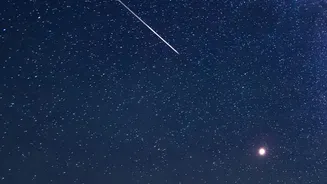
Get ready for shooting stars from a famous source. The Orionid meteor shower, which peaks on the night of October 21-22, is created by debris from Halley's Comet. This shower is known for its fast, bright meteors, which can leave glowing trails across the sky. Under perfect conditions, you might see up to 20 meteors per hour. The meteors will appear to radiate from the constellation Orion, but they can be spotted anywhere in the sky. This year, a bright waxing gibbous Moon will be present during the peak, which could wash out some of the fairer meteors. For the best show, head out in the pre-dawn hours after the Moon has set.
The Hunter's Moon
The full moon of October, traditionally known as the Hunter's Moon, will rise on October 26. This name was given by early Native American tribes because it illuminated fields that had been recently harvested, making it easier for hunters to spot game preparing for winter. For the best view, watch it rise in the east around sunset on the evening of October 25. When the Moon is low on the horizon, it can take on a beautiful golden or orange hue. In India, this full moon also coincides with Kojagiri Purnima, a festival dedicated to the goddess Lakshmi. You don't need any special equipment to enjoy the full moon's glow.