





The Great July Dilemma
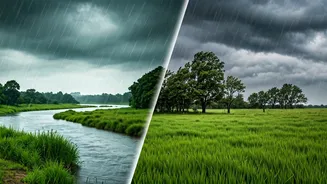
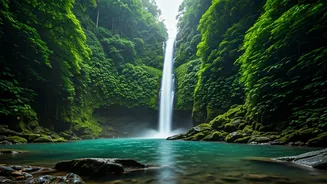
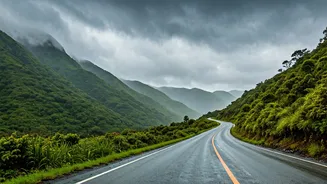
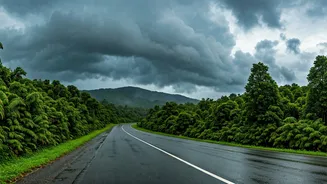
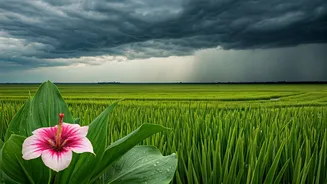
July in India is a month of beautiful contradictions. It marks the peak of the monsoon, transforming vast swathes of the country into lush, green wonderlands. Waterfalls that were mere trickles in May become roaring cascades. At the same time, it’s a period
fraught with travel challenges. The same rains that create such beauty can also lead to flight delays, flooded roads, and landslides, particularly in hilly regions. For many families, it's also the tail end of the school holidays, leading to a final rush to popular destinations. This combination of peak nature and peak-season problems means that a spontaneous trip is risky. A well-thought-out strategy is your best bet for a successful holiday.
Strategy 1: Embrace the Monsoon
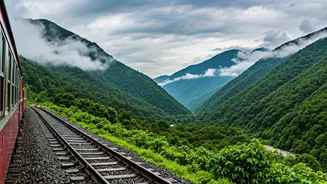
Instead of fighting the rain, lean into it. Many parts of India are at their most breathtaking during the monsoon. The Western Ghats, for instance, come alive. Hill stations like Munnar and Coorg become misty, romantic havens, their tea and coffee plantations glistening with fresh rain. Destinations such as Mahabaleshwar in Maharashtra and Wayanad in Kerala offer stunning green landscapes and overflowing waterfalls. The key to enjoying these places is preparation. Pack waterproof gear, add buffer days to your itinerary for potential delays, and book stays in properties that offer cozy indoor activities and beautiful views, turning a rainy day into a feature, not a bug.
Strategy 2: Escape to the Rain Shadow
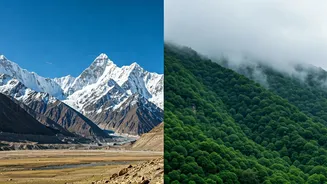
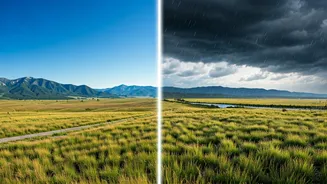
If you'd rather have guaranteed sunshine, your strategy should be to head for the country's rain-shadow regions. These are areas that are geographically shielded from the main monsoon currents. The most famous of these is Ladakh. While the rest of India is drenched, Ladakh offers clear blue skies, breathtaking mountain scenery, and open roads, making July one of the best times to visit. Similarly, the Spiti Valley in Himachal Pradesh remains largely dry and accessible. In the south, parts of Tamil Nadu receive significantly less rainfall in July, as its main monsoon season is later in the year, making destinations like Madurai or the temple towns a viable option.
Strategy 3: The Art of Smart Booking
Because July is considered an off-peak season in many rain-affected areas, you can often find great deals on flights and hotels. However, demand for dry zones like Ladakh is at its peak. The strategy here is twofold. For monsoon destinations, you have the luxury of waiting for last-minute deals, as hotels are keen to fill rooms. For high-demand dry zones, booking well in advance—three to four months, if possible—is crucial to secure reasonable prices. Use flight and hotel aggregators to compare prices, but also check the providers' own websites, which sometimes offer exclusive deals. Being flexible with your travel dates by a day or two can also lead to significant savings.
Strategy 4: Go Off the Beaten Path
The most popular spots will always be crowded, even in the off-season. A clever strategy is to explore lesser-known but equally beautiful alternatives. Instead of the crowds in Lonavala, consider Bhandardara in Maharashtra for a quieter monsoon experience. Instead of mainstream hill stations, look into Tirthan Valley in Himachal Pradesh or Ziro Valley in Arunachal Pradesh. These places offer stunning natural beauty and a more authentic travel experience without the long queues and inflated prices. Researching these hidden gems can reward you with a unique and peaceful holiday, turning your July travel from a chaotic rush into a serene escape.