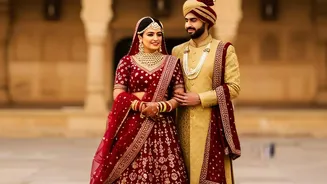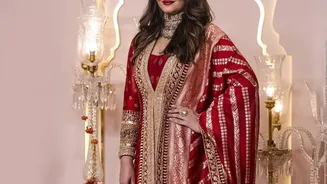

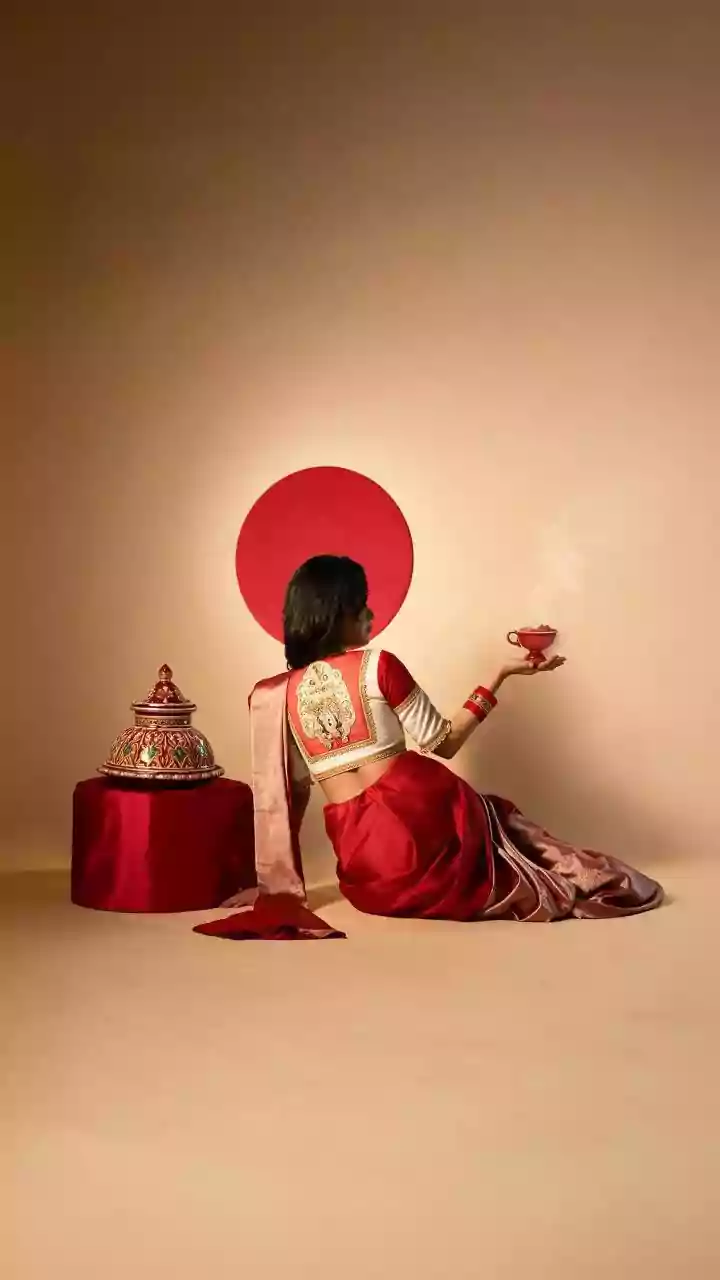
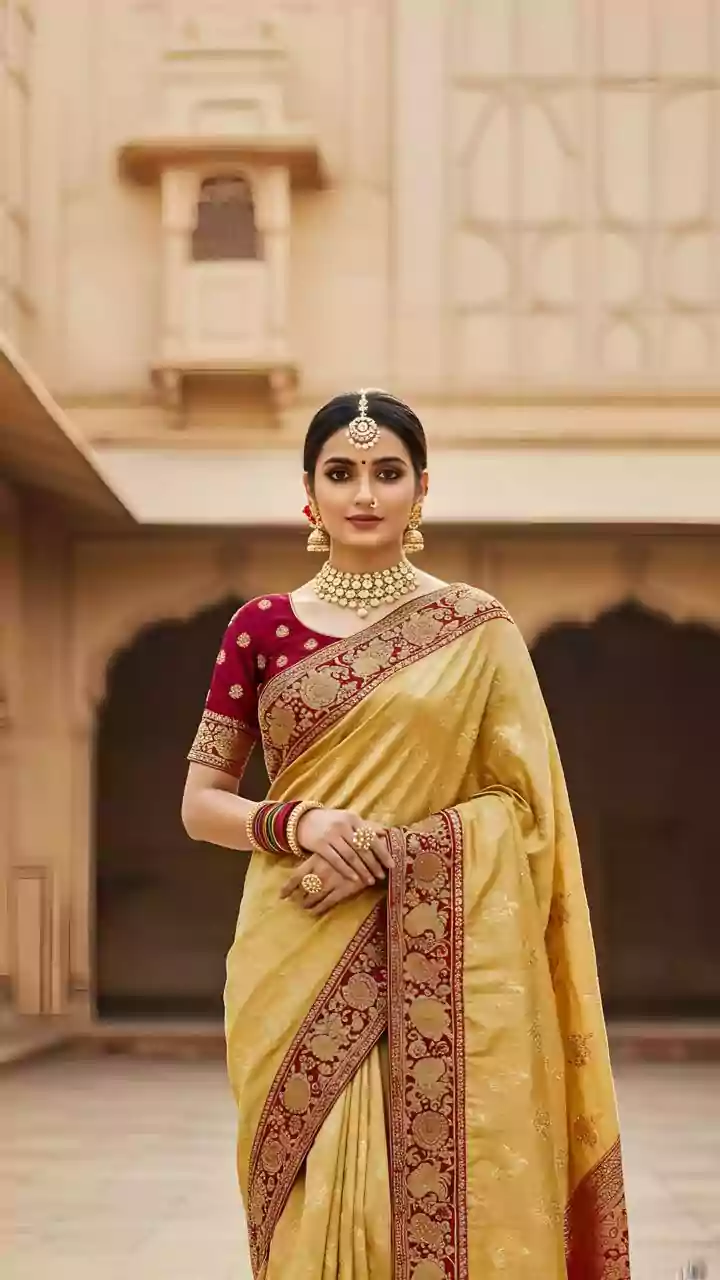

The big Indian wedding is a spectacle of joy, but it often leaves a trail of single-wear outfits. For 2026, a smarter, chicer solution is here: modular fashion, which promises to make your stunning ethnic wear both sustainable and rewearable.
What Exactly Is Modular Fashion?
At its core,
modular fashion is the art of creating garments with interchangeable or detachable parts. Think of it as a building-block approach to your wardrobe. In the world of Indian ethnic wear, this translates to outfits designed for versatility. Instead of a single, static lehenga, you get a collection of components that can be mixed, matched, removed, or restyled. This includes elements like detachable sleeves, removable can-cans, jackets that can be worn separately, and blouses designed to be paired with other items in your closet. The core idea is to move beyond single-use garments and invest in pieces that offer multiple looks, empowering the wearer to become a co-designer of their own ensemble.
The Trend Driving Conscious Consumption
The rise of modular design isn't just about aesthetics; it's a direct response to a growing environmental consciousness. For years, the fashion industry, including the extravagant bridal sector, has faced scrutiny for its 'make, use, dispose' model. Today’s consumers, particularly younger generations, are acutely aware of their environmental footprint and are seeking more mindful choices. They demand to know where their clothes come from and what their true cost is beyond the price tag. Sustainable bridal fashion is no longer a niche compromise but a powerful statement. Modular design directly challenges the fast-fashion cycle by extending the lifecycle of a garment, making it a cornerstone of the slow-fashion movement. Buying one versatile outfit instead of three different ones is a powerful, practical step towards reducing fashion waste.
Key Modular Pieces for 2026
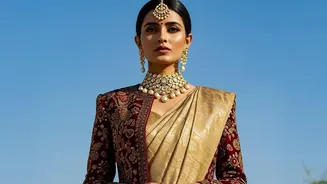
So, what does a modular Indian wardrobe look like in 2026? It's all about clever construction and thoughtful details. One of the most popular innovations is the lehenga with a detachable, heavily embroidered trail or a removable can-can skirt. This allows a bride to have a dramatic entrance and then switch to a lighter, more comfortable A-line skirt for dancing. Versatile blouses are also key; structured corset tops and peplum blouses are being designed to be worn not just with the matching lehenga, but also with sarees, shararas, or even high-waisted trousers for a sharp, contemporary look. Another growing trend is the multi-functional anarkali that can be deconstructed into a separate skirt and jacket. Similarly, statement dupattas are being styled as capes or shrugs over simpler outfits, giving them a new lease on life.
The Smart Economics of Rewearability
While a welldesigned modular outfit might have a higher initial cost, it presents a more costeffective approach over time. The value lies in its versatility. A single investment can yield multiple unique outfits for different functions, from a sangeet to a festive Diwali party or a friend's reception. This logic transforms an expensive 'costume' into a functional part of a longterm wardrobe. Rather than purchasing several less expensive but limiteduse outfits, you are investing in a highquality, adaptable system. This shift encourages consumers to buy fewer, better pieces, a principle that benefits both their wallets and the planet. It’s about calculating the 'cost per wear', and with modular designs, that number drops significantly with every new combination you create.
How to Style Your Modular Masterpieces
The beauty of modular fashion lies in creative selfexpression. Don't be afraid to deconstruct your wedding wear. Pair a heavy lehenga skirt with a crisp white buttondown shirt and a statement belt for a chic Indo western fusion look perfect for a cocktail party. That ornate choli from your bridal set can be repurposed with a simple , elegant saree or a pair of flowing palazzo pants. A heavy , embroidered dupatta can be the hero piece when draped over a plain silk kurta or a simple Anarkali suit. The trick is to see each component—the skirt , the blouse , the dupatta—as a separate entity ready to be mixed with both ethnic and western staples in your existing wardrobe. This approach ensures your cherished wedding pieces are not just preserved in a trunk , but are actively loved and worn.