




The Persistent Fear of a Dead Battery
The number one hurdle for potential electric two-wheeler buyers in India is range anxiety. [15] It’s not just about the claimed distance on a single charge, but the unpredictability of that range in real-world Indian conditions. [13] Factors like stop-and-go
traffic, the added weight of a pillion rider, road gradients, and even extreme summer heat can significantly reduce the actual distance covered. [8, 24] While manufacturers advertise impressive figures, experienced riders know to plan for 65-75% of that number. [8] This fear is less about the scooter's inability to cover a daily commute—most modern EVs can handle the average 20-40 km urban journey—and more about the worry of getting stranded far from a charging point, a concern that rarely crosses the mind of a petrol vehicle owner. [14]
The Charging Infrastructure Puzzle
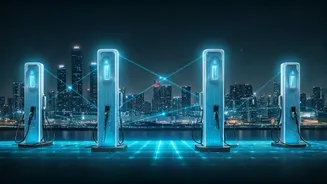
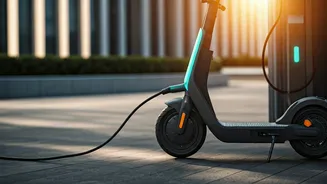
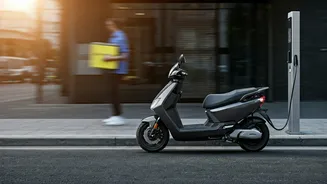
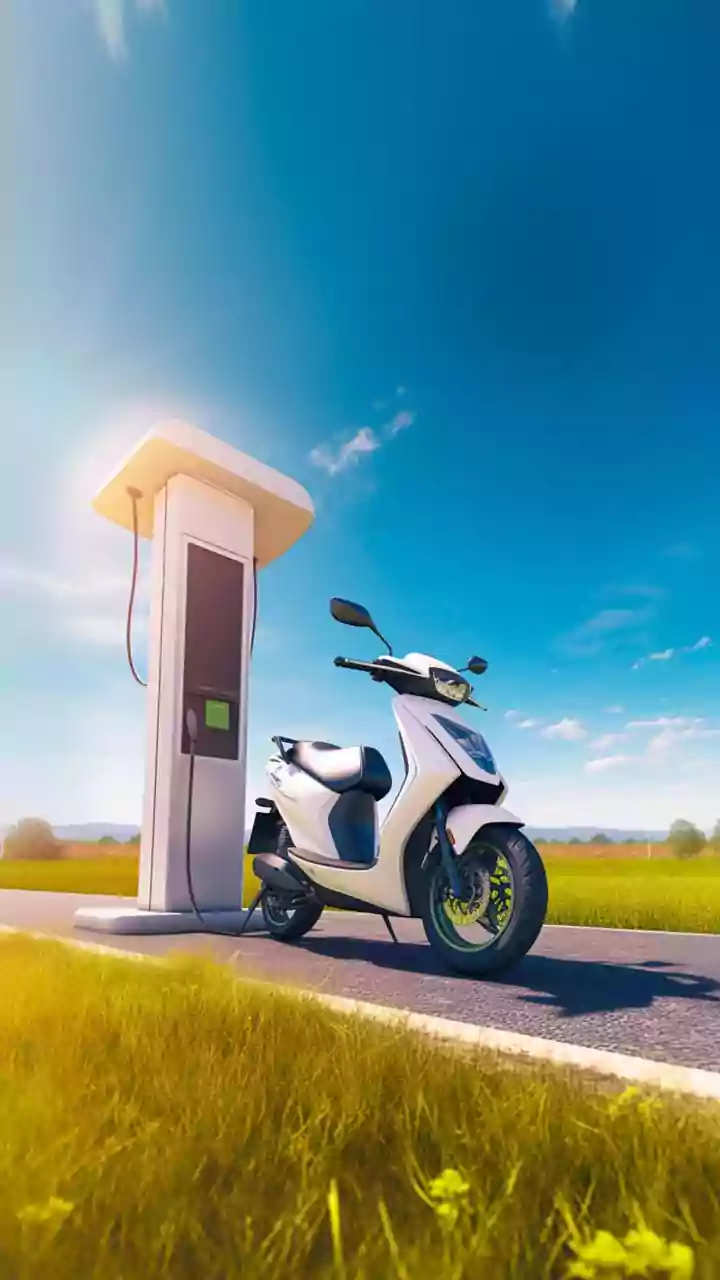
Confidence in an electric vehicle is directly linked to the ease of charging it. While home charging is the most convenient solution for many, it presents a significant challenge for those living in apartments or rental accommodations without dedicated parking spots. [25, 26] This leaves a large portion of the urban population dependent on public charging infrastructure, which is where the confidence gap widens. As of early 2024, India had a ratio of roughly one public charger for every 135 EVs, a figure that lags behind global standards and is heavily concentrated in major metro cities. [18] This leaves riders in smaller towns and rural areas underserved. [15] Furthermore, reports of non-functional or occupied charging stations add another layer of uncertainty, making reliance on public charging feel like a gamble. [18]
The True Cost of Ownership
While government subsidies under schemes like the Electric Mobility Promotion Scheme (EMPS) 2024 (which succeeded the FAME II scheme) help lower the high upfront cost of electric scooters, buyers are increasingly looking at the long-term picture. [4, 6] The single most expensive component, the battery, is at the heart of this concern. [8] With replacement costs for lithium-ion battery packs estimated between ₹55,000 and ₹85,000 or more after a few years of use, many potential buyers perceive a hidden financial risk. [8] This long-term cost can feel more daunting than the predictable, smaller expenses of petrol and maintenance for a conventional scooter. [2] Although the running costs of an EV are significantly lower, the fear of a large, one-time expenditure on a new battery remains a major psychological barrier. [2, 13]
Building Trust Beyond the Showroom
Beyond the hardware, confidence is built on trust in the brand and the ecosystem. Early incidents of EV fires, though their frequency has declined due to stricter safety standards and better technology, have left a mark on the consumer psyche. [11] Buyers now look for robust warranties, especially on the battery, as a sign of a manufacturer's confidence in their own product. [26] Another critical factor is the after-sales service network. [3] While petrol vehicles have a vast, established network of trusted mechanics, the service infrastructure for EVs is still developing. [3, 13] Prospective owners worry about the availability of trained technicians and spare parts, especially outside of major cities. Building a reliable and accessible service network is just as important as building a better battery. [13]