



The Philosophy: More Than Just Minimalism
Before you toss out all your belongings, it’s important to understand that Zen design is more than just stark minimalism. At its core, it's a philosophy rooted in creating harmony, balance, and a connection to the natural world within your living space.
It’s about being intentional with every object you own, ensuring your home is a place of rest and rejuvenation, not stress and sensory overload. For the modern Indian renter navigating bustling city life and often compact apartments, this approach isn’t just an aesthetic choice; it’s a form of self-care. It’s about creating a personal sanctuary that quiets the mind after a long day.
Principle 1: Declutter with Purpose (Kanso)
The first and most impactful step is embracing ‘Kanso’, the principle of simplicity and eliminating clutter. This doesn’t mean living in an empty room. It means curating your possessions. For renters, this is particularly freeing. Instead of accumulating items that you’ll have to painstakingly move later, you focus on what is essential and beautiful. Start by clearing surfaces—kitchen counters, study tables, and side tables. Use smart, hidden storage like under-bed boxes or multi-functional furniture like an ottoman with storage inside. Follow the 'one in, one out' rule: for every new item you bring home, let go of an old one. This isn't about deprivation; it's about creating visual 'breathing room' that instantly makes a space feel larger and more peaceful.
Principle 2: Harness Natural Light (Shizen)
Zen interiors celebrate nature, and the most natural element you can bring into a home is light. Many rental apartments in India struggle with limited natural light, but you can maximise what you have. Swap heavy, dark curtains for light, airy ones made of linen or sheer cotton. These provide privacy while still allowing sunlight to filter through, creating a soft, diffused glow. If your landlord allows, paint walls in light, reflective colours. Another clever trick for renters is to strategically place a large mirror on a wall opposite a window. This will not only bounce light around the room but also create an illusion of greater depth and space.
Principle 3: Adopt a Neutral, Earthy Palette
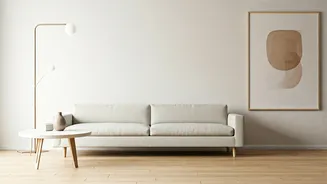
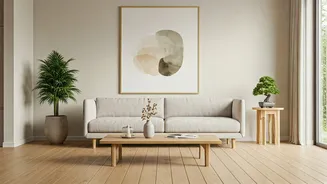
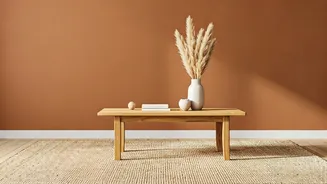
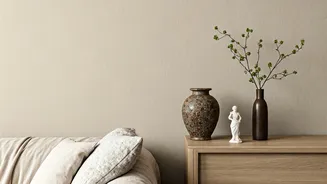
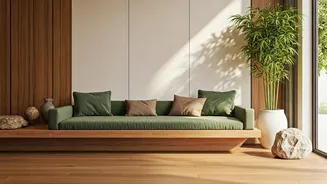
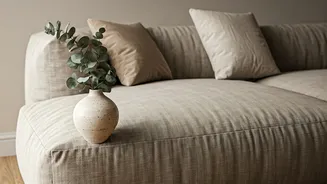
Forget loud, jarring colours. A Zen-inspired palette is drawn from nature: shades of white, beige, grey, and earthy tones like terracotta, soft greens, and warm browns. These colours are calming and create a cohesive, serene backdrop. While you might not be able to repaint the walls in your rental, you can introduce this palette through textiles. Think beige sofa covers, off-white cushion covers, a light brown throw blanket, and a jute or sisal rug. Even small touches like wooden photo frames or ceramic vases in these tones can help establish the desired atmosphere without any permanent changes.
Principle 4: Incorporate Natural Materials
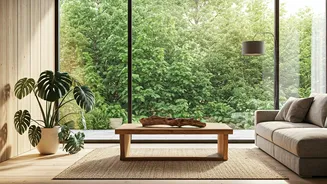
Connecting with nature is fundamental to this aesthetic. Since you can’t change the flooring or architectural elements in a rental, focus on incorporating natural materials through furniture and decor. Opt for pieces made of light wood, bamboo, or rattan—like a bamboo side table, a wooden bookshelf, or wicker baskets for storage. For textiles, choose cotton, linen, and wool. These materials not only look good but also feel good to the touch, adding a layer of sensory comfort to your home. Avoid synthetic, shiny materials like plastic and polyester, which can feel cold and artificial.
Principle 5: Bring the Outdoors In
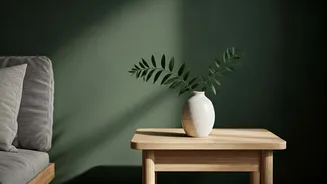
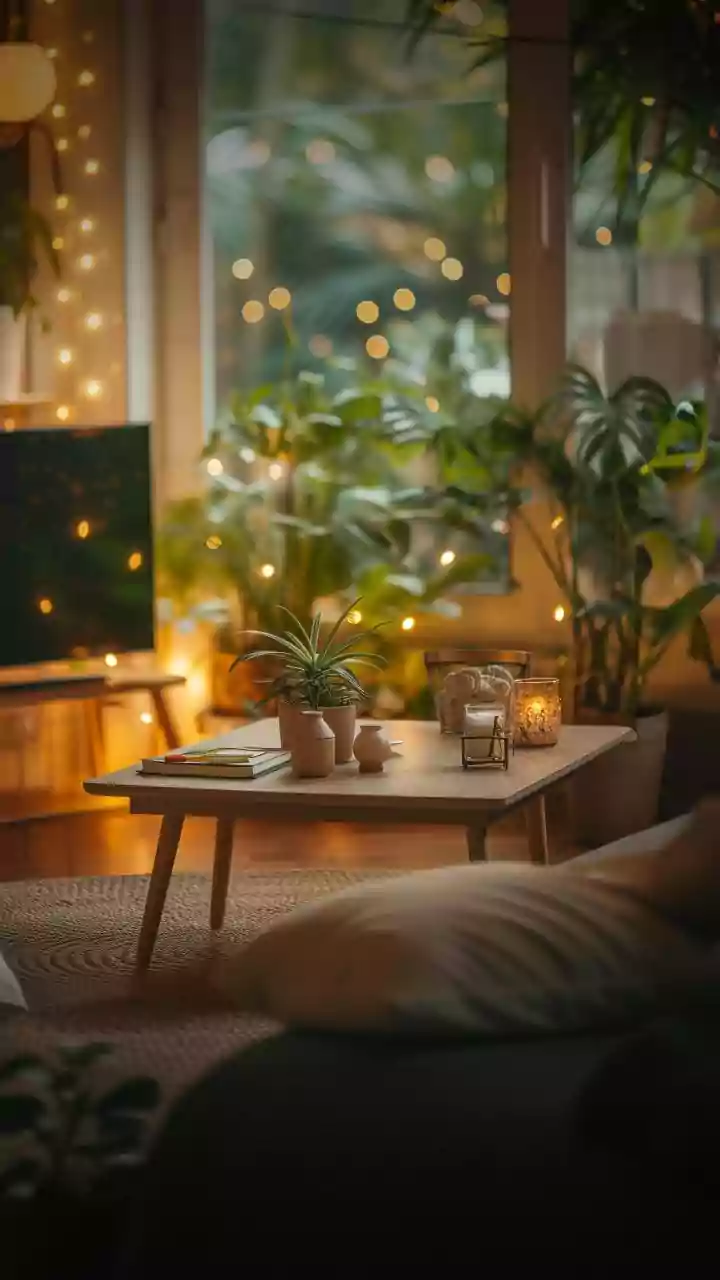
No Zen-inspired home is complete without a touch of green. Houseplants are the easiest way to bring life, colour, and a natural element into your rental. They purify the air and have a proven calming effect. You don’t need a jungle; a few well-placed plants are enough. Choose low-maintenance options that thrive indoors, such as snake plants, pothos (money plants), or ZZ plants. Place a tall plant in an empty corner to add height and interest, or a small succulent on your desk. The goal is to create small moments of natural beauty throughout your space.