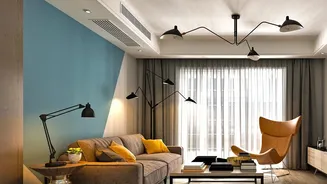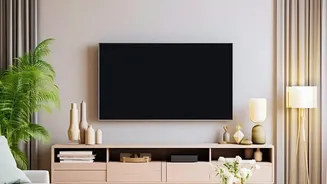

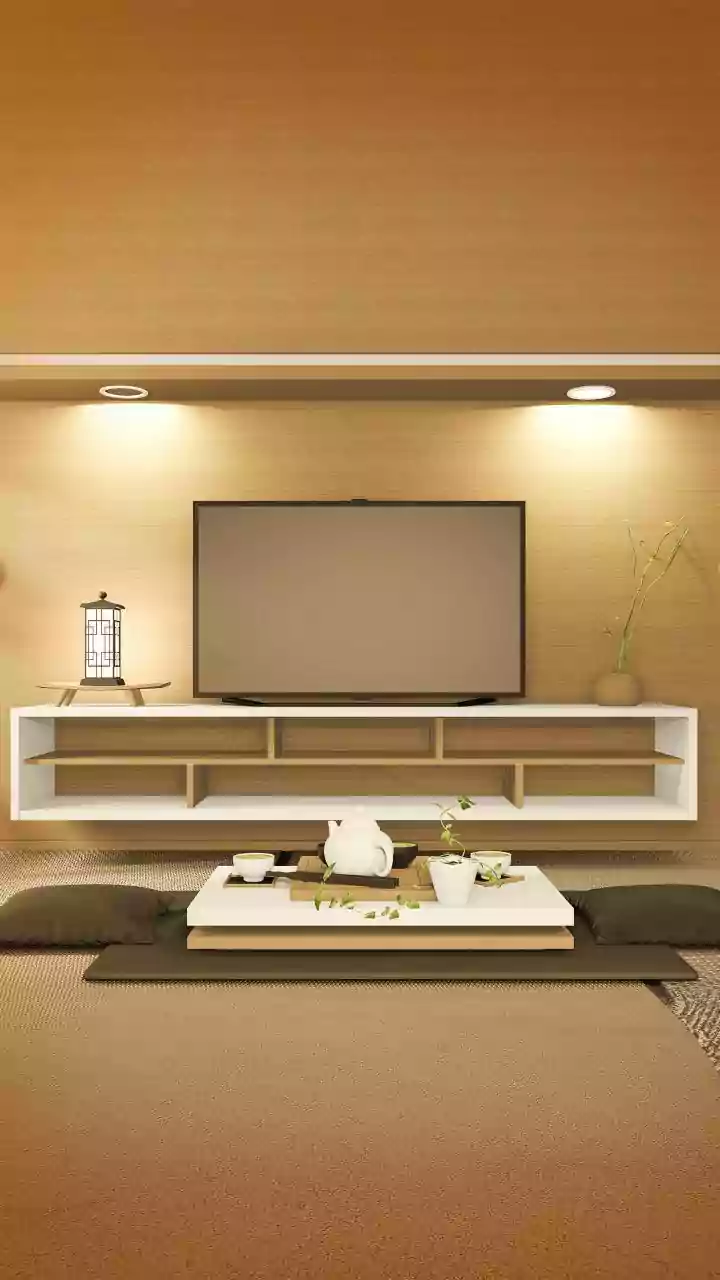

The Museum-Like Drawing Room of Yesterday
Remember the front room with the sofa set that was perpetually covered in plastic sheets? It was the formal drawing room, a space more for display than for daily life. Furnished with heavy, ornate pieces and precious decor, it was a room meant to impress
visitors, not for the family to lounge in. This room was the physical manifestation of a culture that highly valued hospitality, where guests were given paramount importance. It was a space of performative elegance, often remaining pristine and unused for weeks on end, waiting for the next social occasion. The furniture was chosen for its grandeur, not necessarily its comfort, reflecting a time when the home was a formal stage for social standing.
The Cultural Drivers of a Lived-In Life
Several forces have conspired to dismantle the formal living room. Rapid urbanization has led to smaller apartment sizes where dedicating an entire room to occasional guests is an unaffordable luxury. The rise of nuclear families, living independently from the wider extended family, changed the home's internal dynamics. But the most significant accelerator was the widespread shift to remote work. The pandemic instantly repurposed homes into multi-functional hubs for work, school, and leisure, forcing the living room to become a classroom, a boardroom, and a cinema all at once. This intense, everyday use broke down old formalities and created a demand for spaces that support real life, not just staged appearances.
Meet the New Hardworking Hub
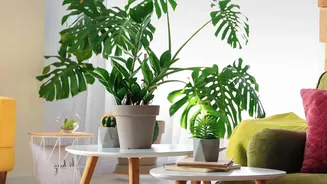
Today’s Indian living room is a dynamic, fluid space. It's where children attend online classes, parents take video calls, and the family gathers to stream a movie in the evening. This new reality demands flexibility above all else. The focus has shifted from showcasing status to enabling a comfortable, productive, and connected family life. It’s less about a guest’s fleeting impression and more about the family’s daily experience. This has led to a re-evaluation of what makes a living space valuable, with homeowners now prioritizing personalization and comfort to create calming environments that tell their own stories.
The Rise of Multifunctional Furniture
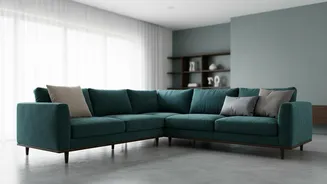
This functional shift has directly impacted furniture choices. The demand for multifunctional pieces has soared. Think of sofa beds that accommodate overnight guests without needing a separate guest room, coffee tables that rise to become workstations, and expandable dining tables that can host a dinner party and then shrink back for daily use. Modularity is another key trend, with sectional sofas that can be reconfigured to suit different activities. Durability has also become crucial; with constant use, fabrics need to be stain-resistant and easy to clean, and surfaces must be scratch-proof. Consumers are now making performance-led decisions, seeking furniture that is not just beautiful but also built to withstand the rigors of daily life.
A New Design Philosophy: Comfort Over Formality
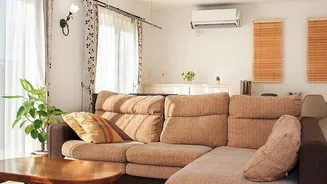
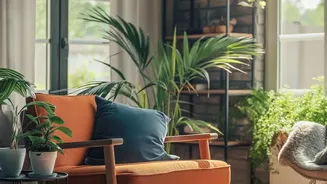
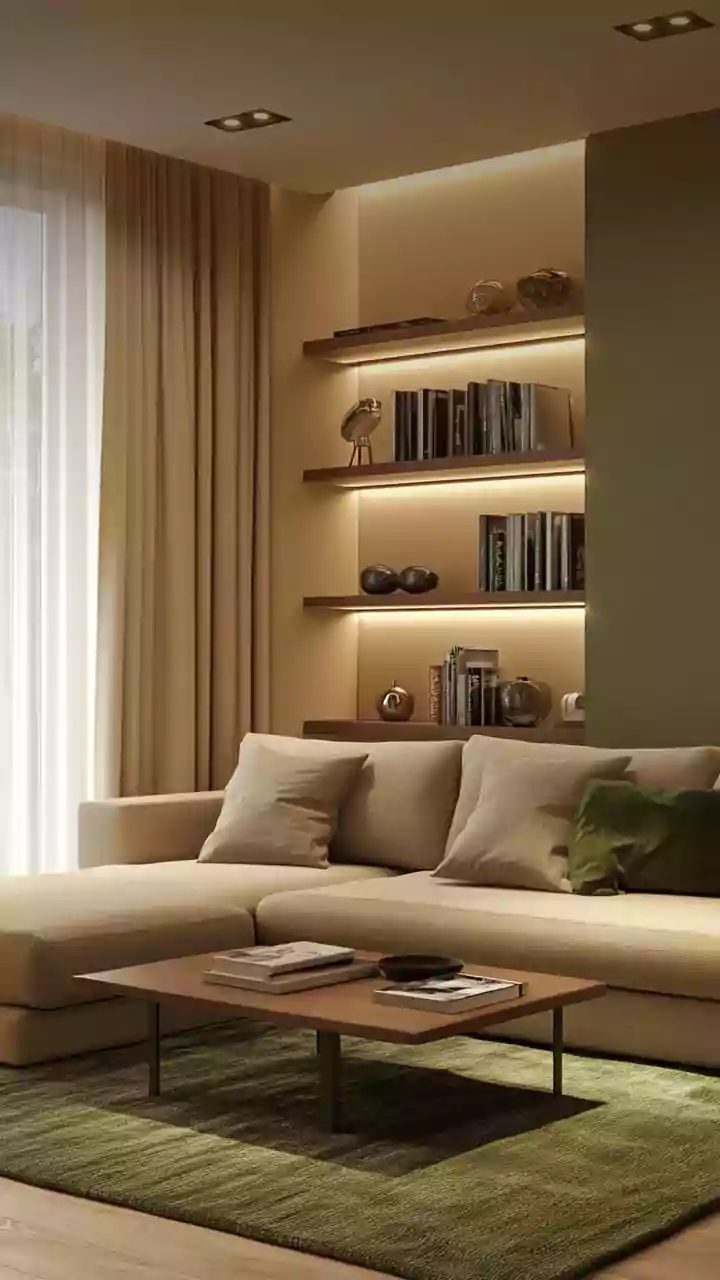
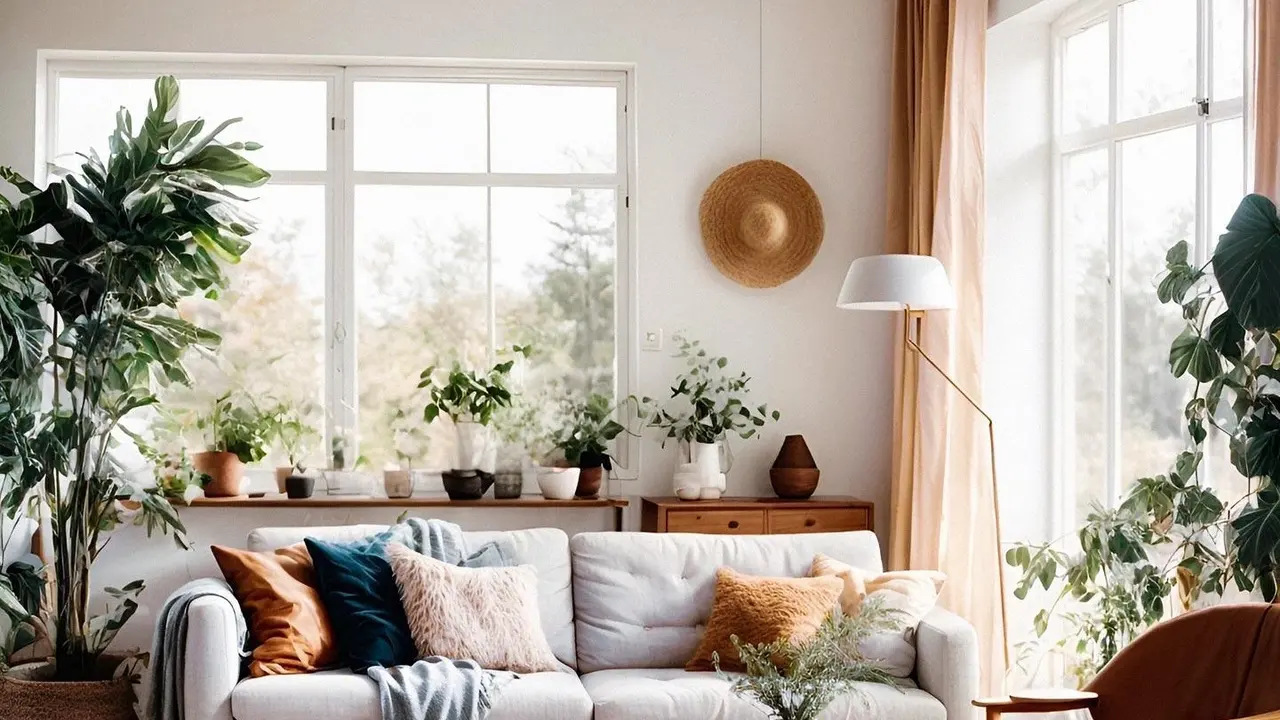
The core design lesson from this shift is the embrace of practicality and authenticity. The new luxury isn't about opulent, hand-carved furniture that no one dares to touch; it’s about a deep, comfortable sofa the whole family can pile onto. It’s about smart, space-saving designs that make compact urban living easier and more efficient. Indian homeowners are increasingly gravitating towards a 'soft luxury' mindset, where quality materials, lasting design, and personal comfort are valued over flashy ornamentation. This is reflected in the growing preference for natural materials, earthy tones, and layered textures that create a sense of warmth and ease. Our homes are becoming truer reflections of who we are and how we actually live, rather than carefully curated museums for others.