




The Myth of 'Good' and 'Bad' Foods
For decades, we’ve been conditioned by diet culture to categorise foods as either “good” or “bad”. This moral labelling is the root of food guilt. When we eat a “bad” food, we feel like we’ve failed, creating a stressful cycle of restriction and shame.
Marketing teams capitalise on this anxiety. The “guilt-free” sticker is often just a clever way to sell a product, highlighting what it lacks—low fat, low sugar, low calories—rather than what it offers. A so-called “natural” cookie might still be heavily processed, and a “fat-free” product may be loaded with sugar to compensate for taste. This simplistic view distracts from a more important conversation about the overall quality and purpose of our food.
Moving Beyond the Calorie Count
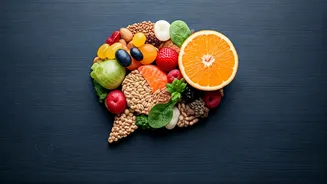
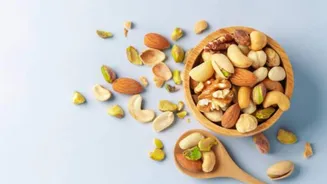
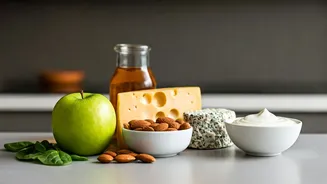
A smarter definition of guilt-free munching shifts the focus from what’s removed to what’s included. Instead of just asking if a snack is low in calories, we should ask if it’s nutrient-dense. A handful of nuts might have more calories than a pack of “diet” crisps, but it also provides healthy fats, protein, and fibre that keep you full and energised. The goal of a snack shouldn't just be to silence a craving with minimal caloric damage; it should be to offer genuine nutritional value. This requires us to read beyond the flashy claims on the front of the package and understand the ingredients list. Real, whole foods will almost always offer more than their highly processed, “guilt-free” counterparts.
Introducing Mindful and Intuitive Eating
Perhaps the most significant shift is moving from external rules to internal cues. This is the foundation of mindful and intuitive eating. Mindful eating is the practice of being fully present with your food, using all your senses to experience it without judgment. It’s about slowing down and paying attention to the taste, texture, and how the food makes your body feel. Intuitive eating is a broader framework that encourages you to reject the diet mentality, honour your hunger, and make peace with all foods. It teaches you to trust your body’s signals of hunger and fullness, freeing you from the need for external validation from a calorie tracker or a diet plan. It's about eating when you're hungry and stopping when you're full, a simple concept that diet culture has made complicated.
How to Practice Smarter Snacking
Adopting this new mindset doesn’t happen overnight, but small steps can make a big difference. Before reaching for a snack, pause and check in with yourself. Ask: “Am I truly hungry, or am I bored, stressed, or thirsty?” If you are hungry, give yourself permission to eat. Then, consider what your body is actually craving—something sweet, salty, crunchy, or creamy? Instead of eating straight from the bag while distracted by your phone or television, portion out your snack and take a few minutes to eat it without distractions. This simple act increases satisfaction and helps your brain register that you’ve eaten, often leading you to feel content with less. The aim isn't perfection, but progress toward a more peaceful and enjoyable relationship with food.