





Amla (Indian Gooseberry)
This small, translucent green fruit is a powerhouse of Vitamin C, making it a winter essential for boosting immunity against common colds and flu. Its antioxidant properties also contribute to glowing skin and healthy hair, combating the dryness of the season.
While its sour taste can be potent, amla is incredibly versatile. You can juice it for a morning health shot, pickle it for a tangy side, or cook it down into a sweet 'murabba' (preserve) to enjoy throughout the year.
Sarson (Mustard Greens)
No winter in North India feels complete without the mention of 'Sarson da Saag'. These vibrant green leaves have a unique, slightly pungent flavour and are known for their warming properties. Rich in vitamins A, C, and K, as well as minerals like iron and calcium, mustard greens are a nutritional powerhouse. Besides the classic saag best enjoyed with 'makki di roti', the leaves can be finely chopped and added to dals or mixed with other greens for a nutrient-dense 'sabzi'.
Gajar (Red Carrots)
Winter markets are flooded with 'laal gajar' or red carrots, which are sweeter and juicier than their orange counterparts. These are the star ingredient for the iconic winter dessert, 'Gajar ka Halwa'. Beyond the pudding, red carrots are great for making fermented 'kanji', a probiotic-rich drink, or a simple stir-fried 'sabzi' with peas. They are an excellent source of beta-carotene, which the body converts to Vitamin A, essential for good vision and a healthy immune system.
Mooli (Radish)
The crisp and peppery radish is a winter staple that is excellent for digestion. Its high fibre content aids gut health, and it's also a good source of Vitamin C. The most popular way to enjoy mooli is in 'Mooli Parathas', a favourite breakfast in many households. But don't discard the leaves; they can be cooked into a delicious 'bhurji' or sabzi. Sliced radish also adds a wonderful crunch to salads or can be pickled with spices.
Palak (Spinach)
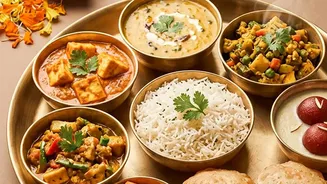
Available year-round but especially fresh and abundant in winter, spinach is an affordable green that is loaded with iron, calcium, and vitamins. Its versatility makes it a kitchen champion. From the creamy comfort of 'Palak Paneer' to being blended into dal for 'Dal Palak', or even pureed into dough for green rotis and parathas, there are countless ways to incorporate it into your diet. A simple spinach soup can be a light yet nourishing meal on a cold evening.
Shakarkandi (Sweet Potato)
A healthier alternative to regular potatoes, sweet potatoes are a fantastic source of fibre, vitamins, and minerals. They have a naturally sweet taste and are considered a warming food, perfect for winter. A popular street food, 'shakarkandi chaat', involves roasting the sweet potato and tossing it with spices and lemon juice. They can also be used to make 'tikkis' (patties), added to curries for a subtle sweetness, or simply baked as a healthy side dish.
Methi (Fenugreek Leaves)
Fresh fenugreek leaves are a winter delight, known for their distinct aroma and slightly bitter taste. These leaves are rich in iron and dietary fibre, which helps in digestion. They are the star of many traditional dishes, including 'Methi Thepla' from Gujarat, 'Aloo Methi' sabzi, and flavourful parathas. The leaves can also be dried ('kasuri methi') and sprinkled over curries as a finishing herb for an aromatic touch.