


The Problem with Sitting Still
Our bodies are designed to move, but many of us spend hours sitting at desks, in cars, or on the couch. Research increasingly shows that this prolonged sedentary behaviour can take a toll. It's linked to everything from muscle stiffness and poor posture
to fatigue, stress, and even reduced concentration. While a single workout session is beneficial, it may not be enough to counteract the effects of sitting for eight or more hours a day. The solution lies in interrupting these long periods of inactivity frequently throughout the day.
Your First Fix: The Simple Movement Break
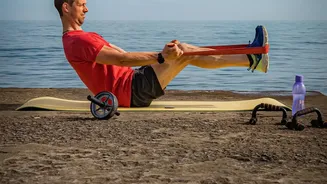
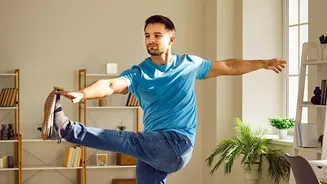
A movement break is a short, intentional pause from sitting to engage in light physical activity. These aren't full-blown workouts; think of them as 'exercise snacks'. Research shows that even one to five minutes of movement every hour can improve circulation, boost energy, reduce musculoskeletal discomfort, and sharpen focus. The goal is consistency, not intensity. Breaking up sedentary time is a powerful way to reset your body and mind, making you more productive and resilient against daily stressors.
How to Take Effective Movement Breaks
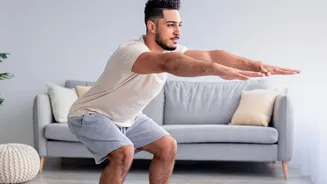
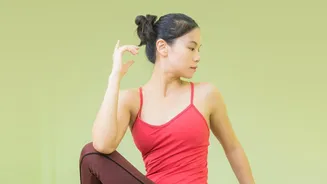
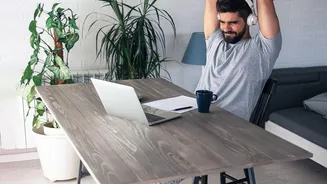
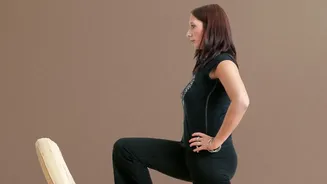
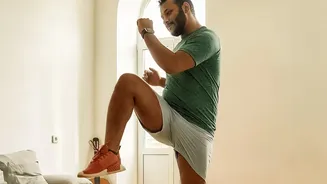
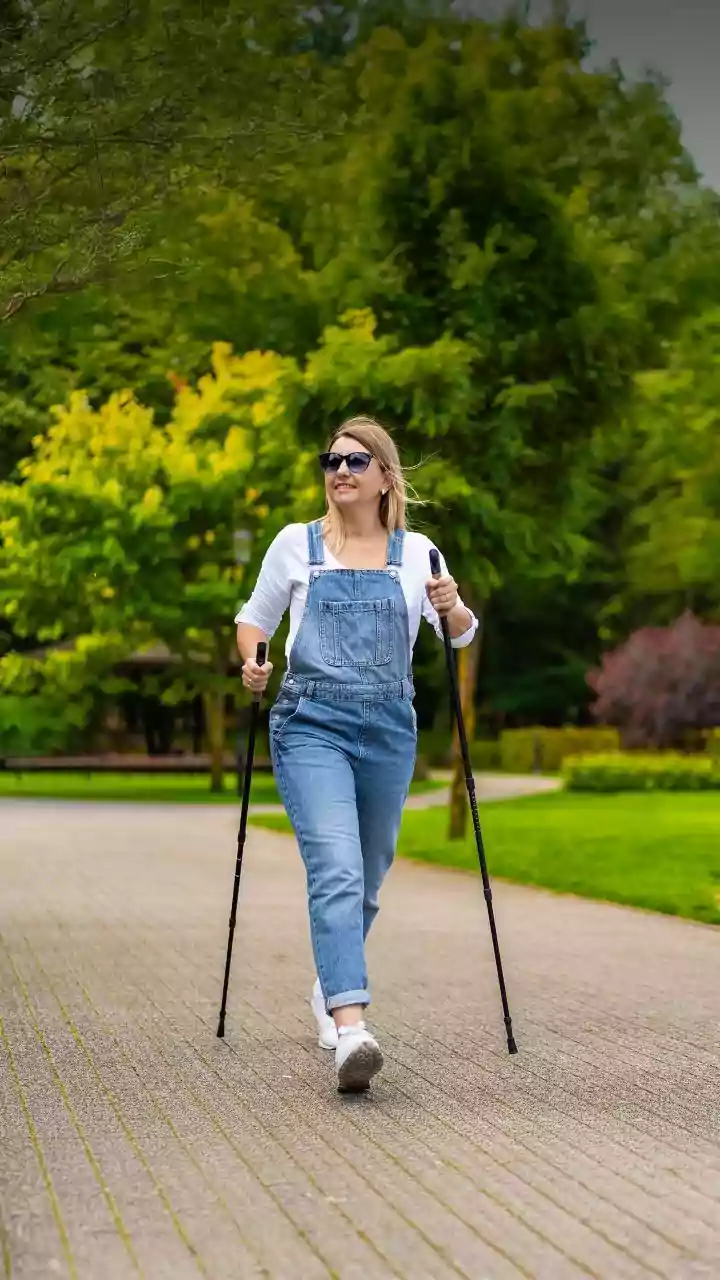
Getting started is easy and requires no special equipment. The key is to make it a habit. Try attaching a movement break to an existing routine, like after every phone call or before lunch. Set a timer to remind you to get up every hour. Ideas include: taking the stairs instead of the elevator, walking around your office or home while on a call, doing a few simple desk stretches for your neck, shoulders, and back, or performing five to ten air squats or wall push-ups. Even just standing up and stretching your arms overhead for 30 seconds can make a difference.
Level Up: The Joy of Freestyle Dance
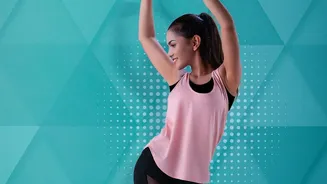
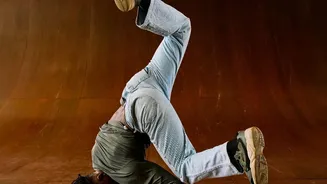
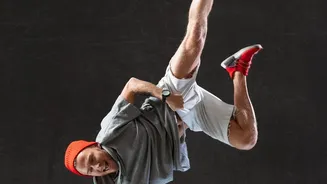
Once you're comfortable with regular breaks, consider a more expressive form of movement: freestyle dance. Freestyle is simply moving your body to music without any set choreography. It’s not about performing or looking perfect; it’s about spontaneous self-expression. It’s a workout that doesn’t feel like one, combining physical activity with creativity and emotional release. It's an accessible way for anyone to experience the joy of movement, regardless of skill level.
Benefits Beyond Fitness
Freestyle dance is a powerful tool for mental and emotional well-being. Studies have shown that 'conscious' or unchoreographed dance can significantly improve mood and help people cope with anxiety and depression. Moving freely allows you to process emotions that words cannot, reducing stress and releasing pent-up tension. It helps you connect with your body in a non-judgmental way, which can boost confidence and self-awareness. It's a form of mindfulness, keeping you grounded in the present moment.
Your Freestyle Dance Starter Kit
Feeling self-conscious is the biggest hurdle for most beginners, but remember, there are no rules and no one is watching. To start, find a private space where you feel comfortable. Close the door and even the curtains if it helps. Create a playlist of music that makes you want to move. Don't think about specific steps; just listen to the rhythm and let your body respond naturally. Start small, perhaps with a simple side-to-side step or a shoulder roll. You can even close your eyes to focus more on the music and less on how you look. The goal is to let go and find what feels good for you.