






What Exactly Is 'Small AI'?
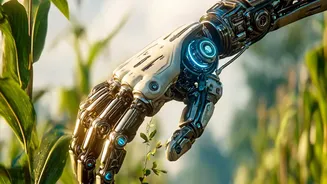
Instead of the massive, resource-hungry systems like those powering major search engines, 'small AI' refers to lightweight, focused artificial intelligence models. These are designed to perform specific tasks efficiently, often on devices with limited
computing power, like a basic smartphone. The key is accessibility. Small AI can operate in areas with low internet connectivity, use minimal energy, and be tailored to local languages and contexts. Unlike 'big AI' which requires huge datasets and supercomputers, small AI thrives on smaller, more specific data pools to solve immediate, on-the-ground challenges. According to the World Bank, this approach is not about trying to replicate the high-cost infrastructure of wealthy nations but about adapting AI to be affordable and practical for developing economies.
The World Bank's Vision for Local AI
The World Bank's strategic push for small AI is part of a broader vision to accelerate economic development. Paschal Donohoe, the bank's chief knowledge officer, suggests that this technology could help developing nations achieve in decades what might have otherwise taken centuries. The proposal, highlighted during the recent World Bank and IMF meetings, focuses on an 'adopt, adapt, and advance' framework. The idea is that countries don't need to invent billion-dollar models from scratch. Instead, they can adapt existing AI tools to their specific needs—whether in agriculture, healthcare, or public services. The bank sees this as a pragmatic way to democratise the benefits of AI, empowering communities and preventing a repeat of past technological revolutions where developing countries were left behind. The goal is to foster solutions that are context-specific, sustainable, and capable of delivering tangible benefits right now.
From Soil to Software in India
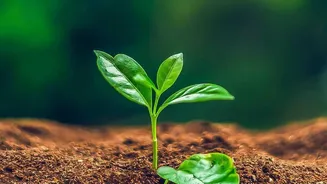
The prime example the World Bank uses to illustrate the power of small AI is soil analysis for farmers in India. As part of its AgriConnect initiative, the bank highlights the immense need for localised agricultural advice. For millions of smallholder farmers, understanding their soil's health—its nutrient levels, pH, and composition—is critical for crop yield and sustainability. However, there are not enough agricultural experts to provide personalised advice to every farmer in their local language. This is where small AI comes in. By using a smartphone, a farmer can get immediate, data-driven recommendations. AI models, trained on soil databases like India's Soil Health Card Scheme, can analyse conditions and offer tailored guidance on fertilisers and crop management directly to a farmer's phone. This allows for faster, more accessible decision-making without needing expensive lab equipment or a stable internet connection.
Why This Matters for India's Future
The implications of this model extend far beyond soil analysis. For India, a nation with a vast agricultural sector and diverse linguistic landscape, small AI presents a path to greater productivity and resilience. It empowers farmers with tools that speak their language and understand their specific environmental conditions. This approach can help improve the delivery of subsidies, strengthen market linkages, and even assist in disaster response by providing officials with clearer data on agricultural conditions. However, success is not guaranteed. The World Bank and IMF both acknowledge significant hurdles remain, including the need for basic infrastructure like reliable electricity and digital connectivity. Furthermore, building these tools requires investment in local data collection and digital skills. But if these challenges can be met, small AI could unlock a new wave of grassroots innovation, creating jobs and strengthening food security not just for India, but as a model for the developing world.