
In the world of sustainable, nutrient-dense foods, some of the best ingredients are hiding in plain sight. Enter the banana flower, a teardrop-shaped purple bloom often overlooked but packed with surprising culinary and health potential.
What Exactly Is a Banana Flower?
Known in various
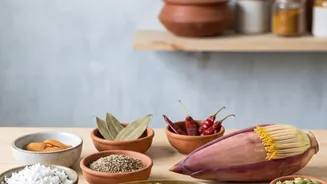
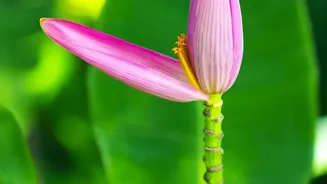
parts of India as 'vazhaipoo' or 'mocha', the banana flower, or banana blossom, is the large, purplish flower that hangs at the end of a banana fruit cluster. While the fruit gets most of the attention, this blossom is a traditional ingredient in South and Southeast Asian cuisine, celebrated for its unique texture and ability to absorb flavours. Often compared to artichokes, bamboo shoots, or hearts of palm, it has a mild, slightly nutty taste with a hint of floral bitterness that mellows significantly when cooked. The flower consists of outer purple leaves called bracts, which protect rows of smaller, yellowish florets inside. The most prized part for cooking is the tender, pale heart at the core.
Unpacking the 'High Meal Value'
The headline's promise of 'high meal value' is rooted in the flower's impressive nutritional profile. It is exceptionally rich in dietary fibre, both soluble and insoluble, which is crucial for digestive health, promoting a healthy gut microbiome and preventing constipation. Banana blossoms are a treasure trove of essential minerals, including potassium, calcium, magnesium, iron, and zinc. The iron content, in particular, makes it a valuable food for combating anaemia. Furthermore, the flower is loaded with antioxidants and flavonoids like quercetin and catechin, which help protect the body from cellular damage caused by free radicals. It is low in calories and fat, making it a fantastic addition to a balanced diet.
From Flower to Flavourful Cutlet
Transforming a whole banana flower into cutlets is a rewarding culinary process, though it requires some preparation. The first step involves cleaning the flower, which can be a bit tedious. The outer, tough purple bracts are removed to reveal the clusters of florets. Each floret contains a hard pistil and a small, scale-like petal that need to be discarded as they are tough and can be bitter. To prevent the chopped flower from discolouring due to its iron content, it's immediately soaked in acidic water, like water mixed with lemon juice, vinegar, or buttermilk. Once cleaned and chopped, the flower is typically boiled until soft. This cooked blossom is then mixed with a binder like mashed potatoes, along with onions, ginger, green chillies, and a blend of spices such as garam masala and cumin powder, to form a flavourful dough.
The Taste and Texture Experience
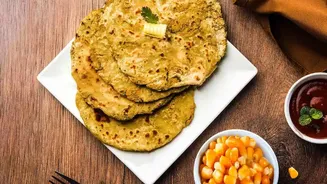
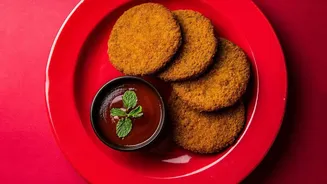
The final result is a cutlet with a delightfully complex texture. The outside is crispy and golden brown, thanks to a coating of breadcrumbs, while the inside remains soft and tender. The banana flower itself has a meaty, flaky texture that is often compared to fish, making it a popular plant-based substitute in many dishes. The mashed potato provides a creamy counterpoint, and the spices infuse the entire patty with warmth and flavour. Because the banana blossom’s own taste is mild, it acts as a perfect canvas, soaking up all the aromatic spices it's cooked with. Many who try it for the first time are surprised to find that the taste of banana is not present at all.
A Sustainable and Smart Choice
Beyond its nutritional and culinary merits, using the banana flower is a sustainable practice. In many banana-growing regions, the flower is often discarded after the fruit is harvested, making it an underutilised part of the plant. By incorporating it into meals, we embrace a nose-to-tail, or in this case, a 'blossom-to-peel' philosophy of cooking, reducing agricultural waste. It’s also an economical ingredient in local markets where bananas are grown. Making cutlets from banana flowers is not just about creating a delicious snack; it's about making a smart, healthy, and environmentally conscious food choice that celebrates a lesser-known gift from the banana plant.