


The End of the Off-Season
For decades, Indian travel revolved around two predictable peaks: summer holidays and the winter festive season. The monsoon months, from June to September, were typically seen as a time to stay put. However, this perception is now being turned on its
head. A significant trend shows Indians are not just travelling during the rains but actively seeking out monsoon-specific experiences. According to recent data from Airbnb, domestic travel searches for the monsoon period have surged by nearly 40% year-on-year, signalling a major shift in holiday planning. This isn't just about a few contrarian travellers; it's a mainstream movement transforming the rhythm of domestic tourism.
Flexibility, Budgets, and a New Mindset
Several factors are fuelling this rainy-season rush. The rise of remote and hybrid work culture is a significant driver, blurring the lines between work and leisure. Professionals can now escape cities for extended "workations," trading their office desks for a balcony overlooking misty hills without dipping into their annual leave. This flexibility also allows for spontaneous, shorter trips or "micro-cations," with many Gen Z travellers preferring multiple small breaks over one long holiday. Economics also play a crucial role. Monsoon travel often comes with attractive perks like lower hotel tariffs, with discounts ranging from 20% to 50% even at luxury properties. This makes destinations that might be prohibitively expensive in peak season suddenly accessible, allowing travellers to experience more for less.
Chasing Clouds and Lush Landscapes
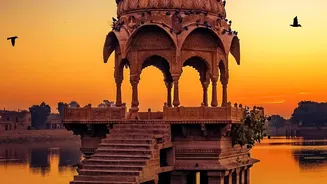
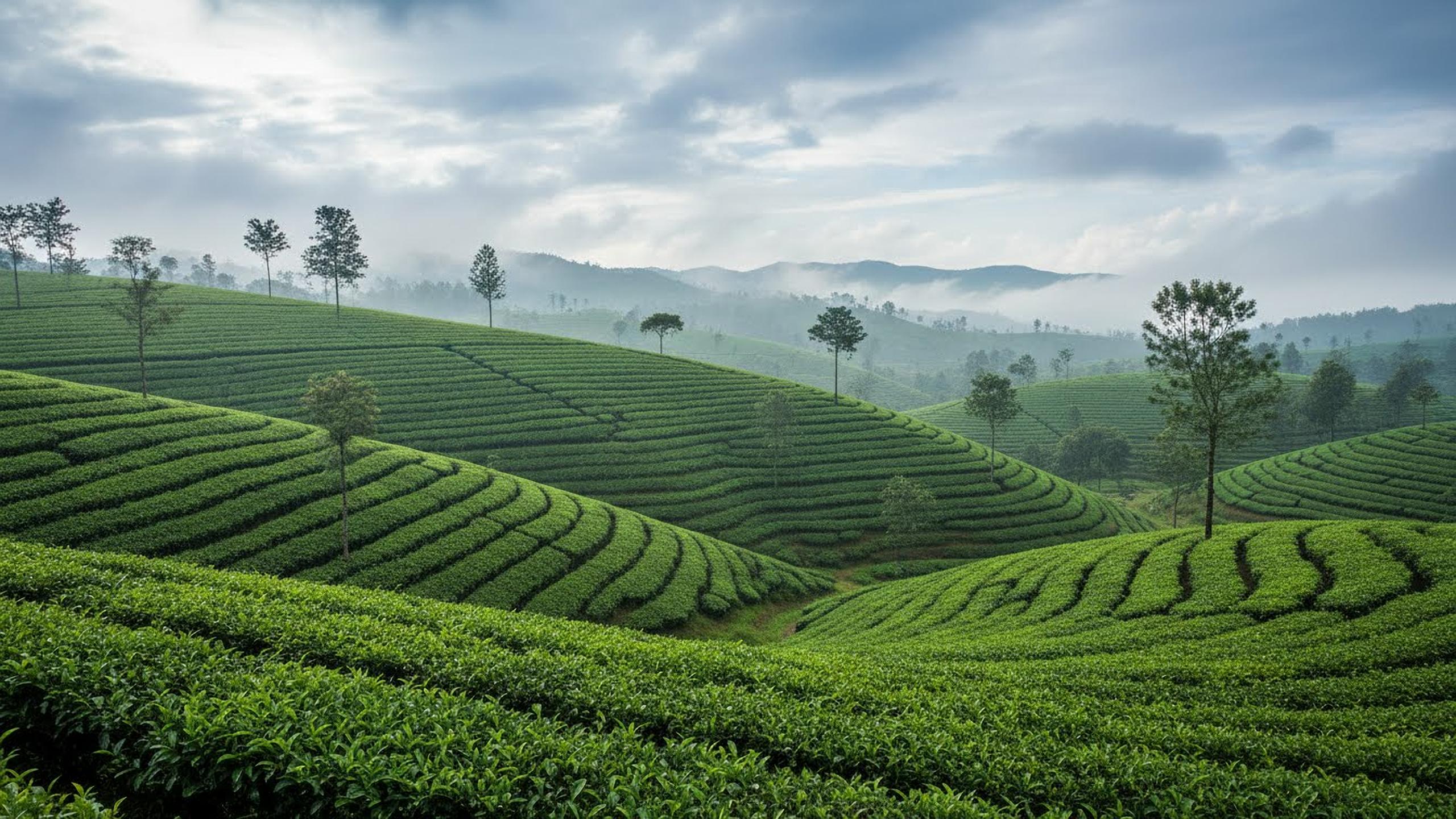
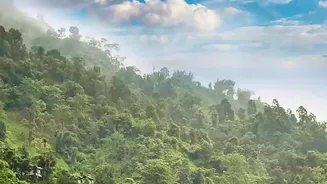
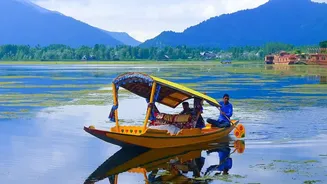
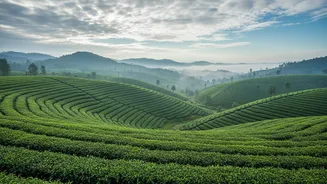
Beyond practical reasons, there is a growing aesthetic appreciation for the monsoon itself. Social media has helped romanticise the rains, showcasing the dramatic beauty of landscapes transformed by the season. Destinations in the Western Ghats, like Coorg, Lonavala, and Munnar, become lush green wonderlands with waterfalls in full flow. Places like Meghalaya, one of the wettest regions on Earth, are now celebrated for their rain-soaked magic, from living root bridges to roaring cascades. Even Rajasthan's lake cities, such as Udaipur, take on a renewed charm. Travellers are increasingly experience-led, seeking the unique atmosphere, cooler temperatures, and quieter surroundings that the monsoon provides, a stark contrast to the crowded, sun-baked trips of peak season.
A Boost for the Travel Economy
This evolving trend provides a vital lifeline to the tourism and hospitality sectors, creating a third major travel season. Hotels and tour operators, who once faced a lean period, now offer curated monsoon packages, from wellness retreats in Kerala timed with Ayurveda's Karkidakam season to adventure treks in the hills. The demand is spreading beyond traditional hotspots to non-metro locations, boosting local economies. As travellers seek out authentic and nature-based experiences, they are creating opportunities for homestays, local guides, and small businesses in regions that were previously overlooked during these months. This shift not only flattens the sharp peaks and troughs of the tourism calendar but also promotes a more sustainable, year-round model of travel across the country.