



Tips for Driving in Portugal's Countryside
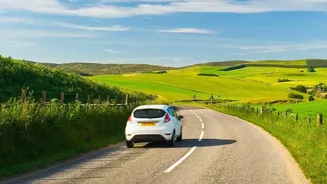
Renting a car in Portugal offers the freedom to explore at your own pace. Highways (Autoestradas, marked 'A') are modern and well-maintained, but many have tolls. For scenic journeys, the national (Estrada Nacional, 'N') and regional roads are your best
bet, though they can be narrower and more winding. Driving is on the right-hand side. Be prepared for numerous roundabouts; the car already in the roundabout has the right of way. In rural areas, roads can be narrow and you might encounter agricultural vehicles or even livestock. It’s wise to keep your fuel tank topped up, as petrol stations can be sparse in more remote regions. Finally, don't rush—the joy of a Portuguese road trip is in the journey itself.
The Douro Valley: A River of Wine
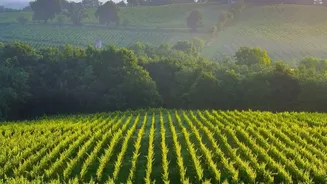
Often hailed as one of the world's most beautiful drives, the N222 road between Peso da Régua and Pinhão is the star of the Douro Valley. This route follows the Douro River as it carves through steep, terraced vineyards that have been producing wine for centuries. The drive itself is a UNESCO World Heritage landscape, offering jaw-dropping views at every turn. Plan for plenty of stops at 'miradouros' (viewpoints) to capture the scenery. A car gives you the flexibility to visit family-run wineries (quintas) for tastings of both Port and table wines. The best time to visit is in the spring for lush green landscapes or September and October to witness the grape harvest.
Estrada Nacional 2: The Heart of Portugal
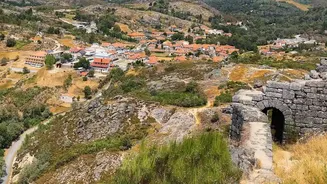
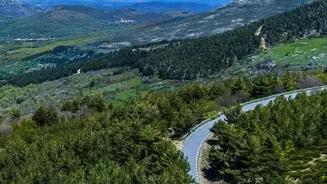
Known as Portugal's Route 66, the Estrada Nacional 2 (N2) is an epic 739-kilometre journey that cuts through the very heart of the country, from Chaves in the north to Faro in the south. This is not the fastest way to travel, but it is the most authentic, connecting travellers to a side of Portugal that many tourists miss. The route showcases the nation's diverse landscapes, from the green, mountainous north and the terraced Douro wine region to the vast, sun-drenched plains of the Alentejo. Along the way, you'll pass through historic towns like Lamego and Viseu, discover traditional Schist Villages, and find the geodetic centre of the country. You can even get a special N2 passport to collect stamps from the 35 municipalities along the way.
The Alentejo: Sun, Plains, and History
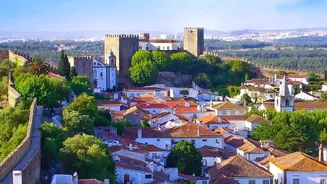
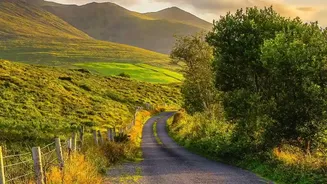
The Alentejo region, making up nearly a third of Portugal, offers a completely different driving experience. Here, the roads are often long, straight, and quiet, cutting through a landscape of rolling plains, cork oak forests, and ancient olive groves under a vast sky. A classic route runs from the UNESCO World Heritage city of Évora to the stunning hilltop fortress village of Monsaraz. This is a journey through an ancient agricultural landscape that feels miles away from the busy coast. The region is dotted with megalithic sites, whitewashed villages, and a sense of deep tranquillity. For those seeking a road trip defined by open spaces, historical depth, and incredible food and wine, the Alentejo delivers in spades.
The Costa Vicentina: A Wild Atlantic Edge
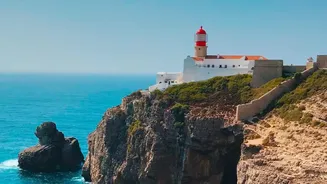
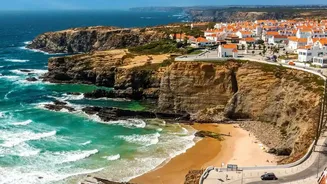
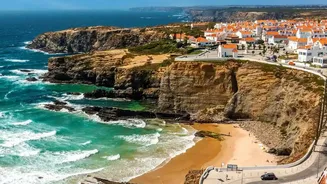
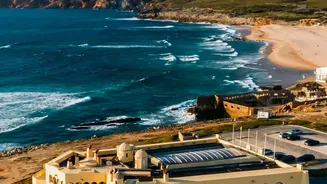
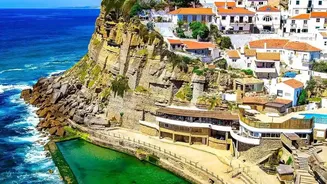
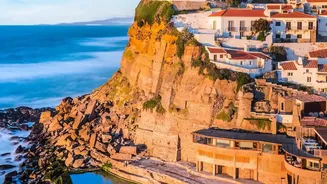
For dramatic coastal scenery, head to the Costa Vicentina in the southwest Alentejo. This protected coastline runs from Sines down to the Algarve and feels genuinely untamed. A drive here is a sequence of discovering rugged cliffs, wild beaches popular with surfers, and quiet fishing villages that have resisted mass tourism. Unlike a single coastal highway, the drive involves turning off main roads to explore individual beaches and towns like Porto Covo and Zambujeira do Mar. The landscape is part of the Parque Natural do Sudoeste Alentejano e Costa Vicentina, which has helped preserve its wild character. It is an ideal route for nature lovers and those looking for a quieter, more elemental coastal experience.