





The Foundation: Choosing Your Lemons
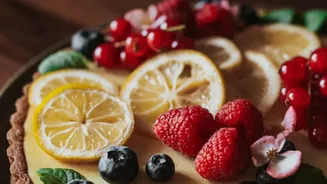
Not all lemons are created equal. The most common variety you'll find in Indian markets is the standard Eureka lemon, known for its classic, high-acid tartness and thick skin, which is great for zesting. Meyer lemons, a cross between a lemon and a mandarin
orange, are another excellent choice if you can find them. They are naturally sweeter, less acidic, and have a thinner, more fragrant rind. For most desserts, a standard lemon provides the sharp, clean flavour you expect, but for custards or curds where you want a gentler, more floral note, a Meyer lemon can be a revelation. Regardless of the type, choose lemons that are firm, heavy for their size, and have a bright, unblemished yellow skin.
A Tale of Two Flavours: Zest vs. Juice
To unlock a lemon's full potential, you must use both its zest and its juice. They serve two very different purposes. The juice provides the sharp, acidic tartness that makes your mouth water. The zest, which is the yellow outer layer of the peel, contains aromatic oils that deliver the intense lemon fragrance and a more complex citrus flavour. A common mistake is to add more juice when you want more lemon flavour, but this can add too much liquid and acidity, potentially ruining the texture of a cake or curd. For a powerful lemon punch without extra liquid, zest is your best friend. A great technique is to rub the zest into the sugar before you start mixing; this releases the oils and infuses the entire dessert with a fragrant aroma.
Mastering the Sweetness
Sugar does more than just counteract tartness; it's a crucial structural component in many desserts. The key is to find the right balance. When making a lemon curd or filling, a good approach is to start with slightly less sugar than the recipe calls for, taste, and then add more if needed. The final application of your dessert matters, too. If your lemon curd is destined to fill a sweet cake or be dolloped on pavlova, a tarter curd will provide a better contrast. If it's being spread on a plain scone, a slightly sweeter version might be more pleasant. Remember that other sweet ingredients, like honey or even certain spices like vanilla and cinnamon, can also help mellow the lemon's sharp edges.
The Balancing Act: Fats and Dairy
Fat and dairy are the secret peacemakers in the battle between sweet and sour. Ingredients like butter, cream, eggs, and sour cream soften the harsh edges of lemon's acidity, creating a rounder, more luxurious flavour. This is why lemon curd, which is rich with egg yolks and butter, tastes intensely lemony but not aggressively sour. Similarly, a lemon cream pie feels bright rather than harsh because the creaminess mellows the acid. When adding lemon juice to dairy, however, be mindful. The acid can cause milk or cream to curdle, especially when heated. To avoid this, add the lemon juice slowly, over low heat, or temper it by mixing a little of the hot dairy into the lemon juice before combining everything.
Common Pitfalls and Quick Fixes
Even experienced bakers run into trouble. One of the most common issues is a lemon cake that tastes bland because the volatile flavour compounds bake off in the oven. A simple fix is to poke holes in the warm cake and soak it with a simple syrup made from lemon juice and sugar. Another issue is a tough or rubbery texture, often caused by over-mixing the batter after the flour has been added, which develops too much gluten. For the best results, fold the dry ingredients in gently until just combined. Finally, if your dessert tastes a little flat, don't just reach for more sugar or lemon. A small pinch of salt can amplify both the sweet and sour notes, bringing everything into perfect harmony.