




Turmeric (Haldi): The Golden Healer
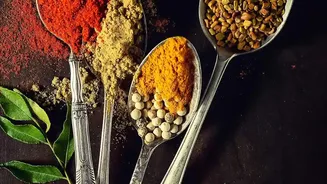
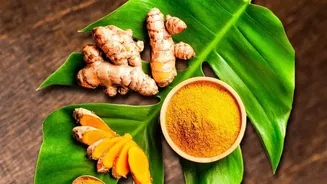
This vibrant yellow spice, a cornerstone of Indian cooking, is a powerful ally during the monsoon. Turmeric's main active compound, curcumin, has potent anti-inflammatory, antioxidant, and antimicrobial properties. These qualities help strengthen your
immune system, enabling your body to better fight off the seasonal bugs that cause colds and flu. For maximum benefit, experts recommend pairing turmeric with a pinch of black pepper, as a compound in pepper called piperine significantly enhances curcumin's absorption. A simple glass of warm turmeric milk (haldi doodh) before bed is a comforting and traditional way to boost your defences.
Ginger (Adrak): The Digestive Aid
Ginger is another kitchen essential that shines during the rainy season. Known for its warming properties, it is excellent for soothing the digestive system, which can become sluggish during this time. Ginger contains gingerol, a compound with anti-inflammatory and antioxidant effects. It is highly effective in relieving a sore throat, clearing congestion, and combating nausea. Starting your day with a cup of hot ginger tea, perhaps with a dash of honey and lemon, can help keep your digestive fire strong and ward off common respiratory issues.
Garlic (Lehsun): The Natural Antibiotic
Don't underestimate the power of this pungent bulb. Garlic is packed with a compound called allicin, which is released when garlic is crushed or chopped and is known for its potent antibacterial and antiviral properties. Regular consumption can enhance the response of your white blood cells against viruses, making it a front-line defender against infections. Incorporating more garlic into your daily meals like dals, sabzis, and soups is an easy and flavourful way to leverage its immune-boosting capabilities and keep seasonal illnesses at bay.
Lentils and Pulses (Dals): The Protein Powerhouse
The monsoon is the perfect time to embrace light, warm, and freshly cooked meals. Lentils and pulses, like moong dal, are ideal because they are easy to digest and provide an excellent source of plant-based protein and essential nutrients. A simple khichdi, made with rice and moong dal, is considered a perfect monsoon meal in Ayurveda because it is nourishing without overburdening the digestive system. Warm soups made from dal are also a comforting option that helps keep you hydrated and energised.
Yogurt (Dahi): The Gut Guardian
Gut health is directly linked to your overall immunity. Fresh, homemade curd or yogurt is an excellent source of probiotics, which are beneficial bacteria that support a healthy gut microbiome. A healthy gut can improve your body’s ability to fight off pathogens that become more common in the damp monsoon weather. It's best to consume yogurt during the daytime. You can have it plain, make a simple raita to accompany your meals, or blend it into a smoothie for a refreshing and healthy snack.
Black Pepper (Kali Mirch): The Bioavailability Booster
Often used simply as a seasoning, black pepper has significant health benefits, especially during the monsoon. It helps prevent indigestion and gas, common complaints during this season. Its most important role, however, is its ability to enhance the absorption of nutrients from other foods, most notably the curcumin in turmeric. Beyond this, black pepper itself has anti-inflammatory and antioxidant properties that contribute to a stronger immune system. A sprinkle of freshly ground pepper on your soups, salads, and cooked meals is a simple habit with big rewards.