





Why Monsoon is Coorg's Secret Season
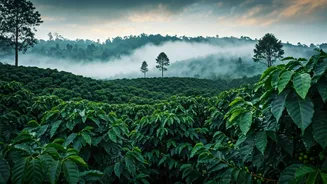
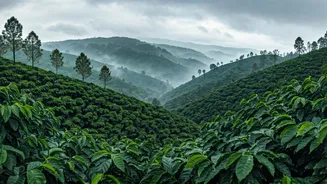
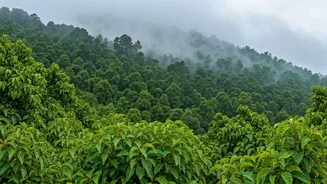
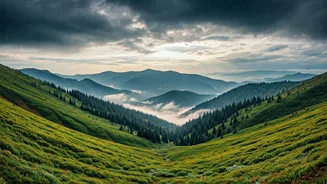
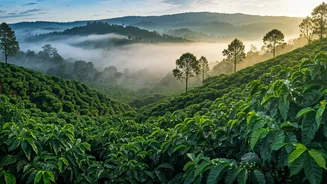
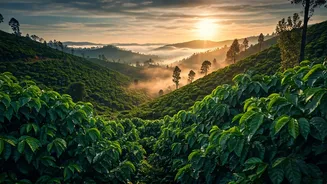
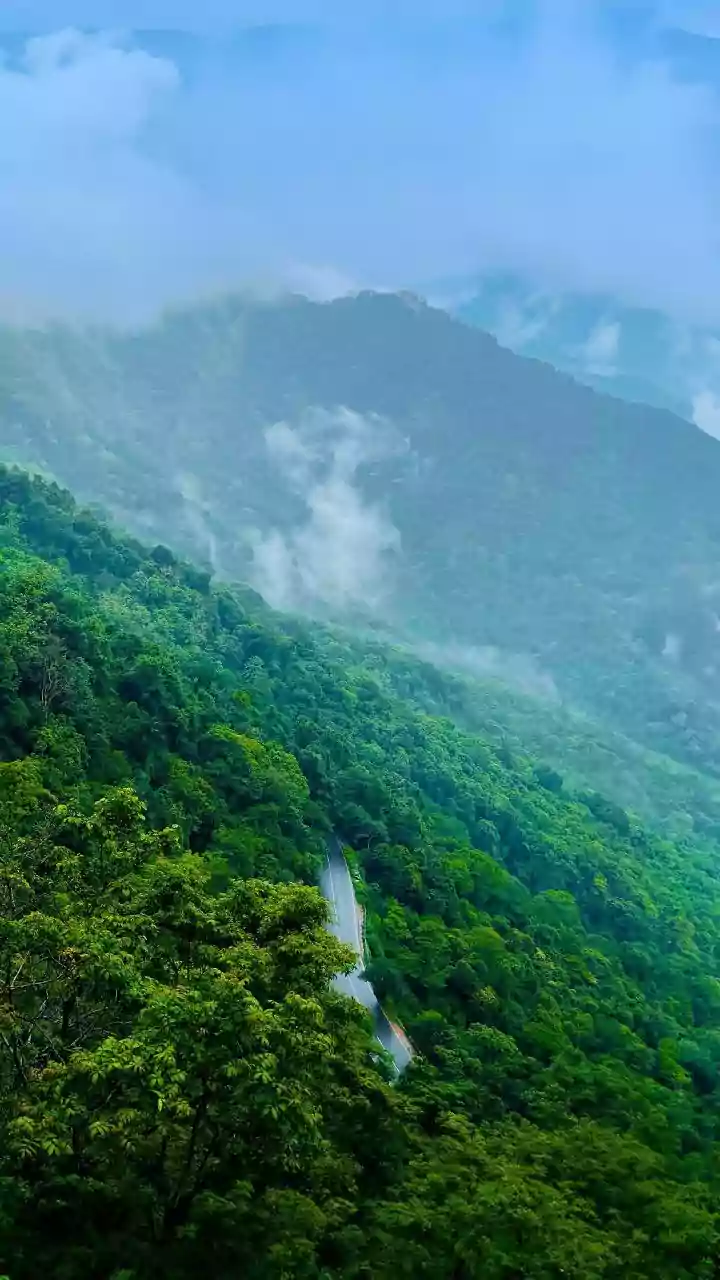
While many travellers prefer the dry, sunny months, the true soul of Coorg reveals itself during the monsoon. From June to September, the landscape transforms into a breathtaking canvas of a thousand shades of green. The incessant drizzle and heavy downpours
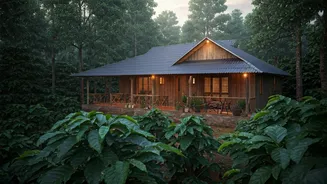
breathe life into the region, swelling waterfalls to their thunderous peak and cloaking the rolling hills in a perpetual, dream-like mist. The crowds are thinner, the air is crisp and clean, and the earthy fragrance of rain-soaked soil mixed with coffee is an experience in itself. This isn't just a trip; it's a sensory immersion. The rhythmic sound of rain on the roof of a plantation bungalow, a cup of freshly brewed coffee in hand, and a view of misty valleys—this is the magic that awaits.
Finding Your Plantation Paradise
To truly experience monsoon in Coorg, skip the conventional hotels in Madikeri town and opt for a stay within a coffee plantation. These estates offer an unparalleled connection to the region's natural beauty. Your options range from luxurious resorts with private pool villas to charming, family-run homestays that provide an authentic taste of Kodava hospitality. Staying on an estate allows you to wake up to the sounds of the forest, take guided walks through misty coffee groves, and learn about the bean-to-cup journey. Many properties like Evolve Back, The Tamara Coorg, or countless boutique homestays offer curated monsoon experiences, including bird-watching tours and indoor activities for when the rain is too heavy to venture out. Booking in advance is wise, as the best spots fill up quickly with those in the know.
Sights to Behold Through the Veil of Mist
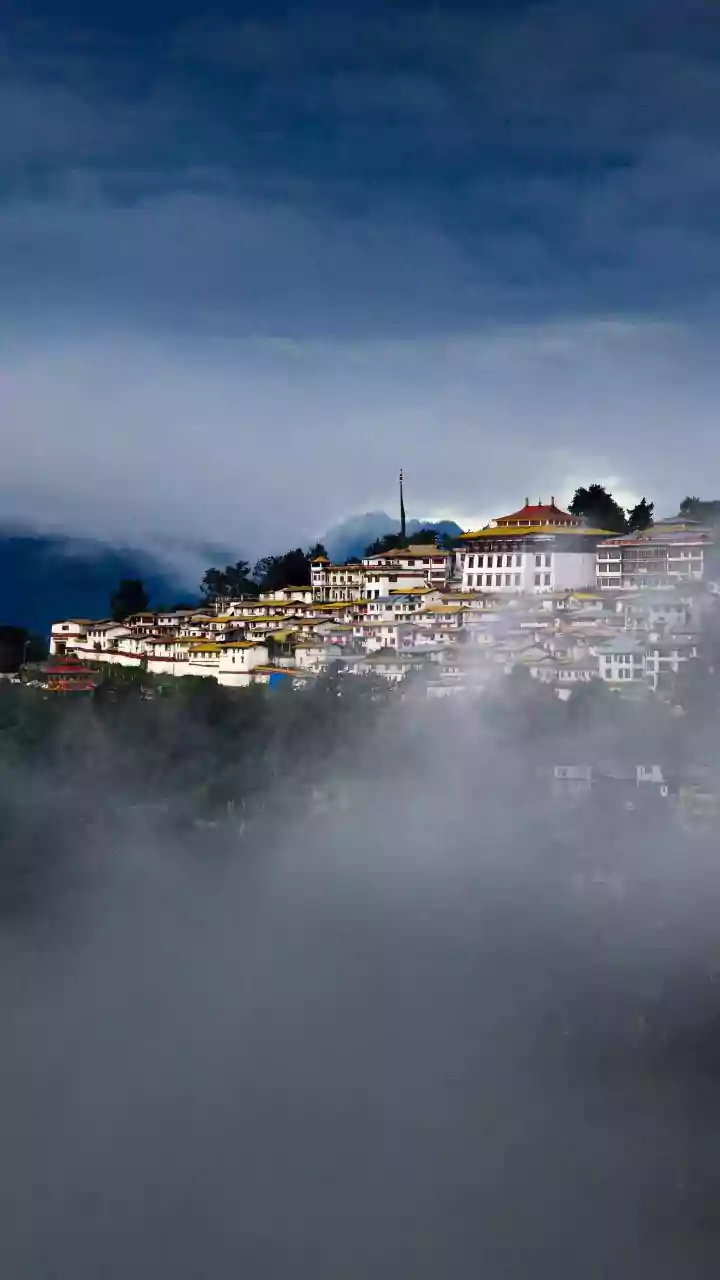
Monsoon magnifies the beauty of Coorg's star attractions. Abbey Falls, often a gentle cascade, turns into a roaring, powerful spectacle that you can hear from a distance. The drive to the falls itself, through lush greenery, is part of the charm. For panoramic views, Mandalpatti is a must-visit. Reaching the peak, often via a bumpy jeep ride, rewards you with a stunning vista of clouds and mist rolling over the Western Ghats. It feels like standing on the edge of the world. Another gem is the Dubare Elephant Camp, where you can see the elephants enjoying the rain by the banks of a swollen River Cauvery. The Namdroling Monastery (Golden Temple) in Bylakuppe also takes on a serene, contemplative atmosphere amidst the grey skies and gentle rain.
A Taste of the Rains: Monsoon Cuisine
Coorg's cuisine is hearty, flavourful, and perfectly suited for the cool, wet weather. The monsoon is the best time to indulge in the region’s signature dishes. Don’t leave without trying *pandi curry* (pork curry), a spicy and tangy preparation that pairs perfectly with *akki rotti* (rice flatbread) or *kadambuttu* (steamed rice dumplings). The cool weather also calls for hot, comforting soups and flavourful chutneys made from local ingredients. For vegetarians, dishes like bamboo shoot curry and wild mushroom preparations are seasonal specialities. And, of course, no trip to Coorg is complete without sampling the local coffee. A freshly brewed, filterless cup of ‘bella kaapi’ (jaggery coffee) on a rainy afternoon is a simple but profound pleasure.
Essential Tips for the Monsoon Traveller
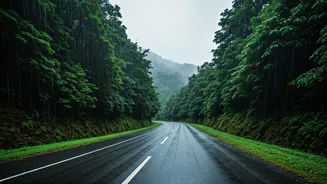
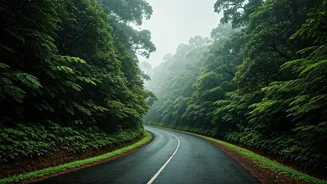
Travelling to Coorg in the monsoon requires a bit of preparation. Pack quick-dry clothing, a reliable raincoat, and waterproof footwear with good grip. The forests are teeming with leeches during this season, so carrying salt or a pair of anti-leech socks is highly recommended. The ghat roads can be slippery and prone to minor landslides, so drive cautiously and avoid travelling after dark. It’s always a good idea to check road conditions before you start your journey. Keep a small first-aid kit handy and carry a power bank, as power cuts can be common in remote areas. Embrace the slow pace—monsoon is a time for relaxation, not a rushed itinerary. Let the rain set the schedule.