



A Renaissance of Roots
In the bustling cafes and minimalist kitchens of India’s cities, a quiet revolution is underway. There's a growing thirst for authenticity, for flavours that tell a story. Consumers, especially in urban centres, are increasingly turning away from generic,
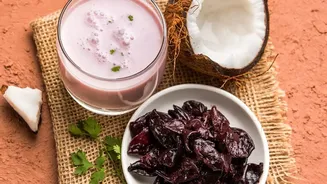
mass-produced beverages and embracing drinks that offer both flavour and function. This has sparked a renaissance of indigenous ingredients, with proud, local flavours being reimagined for the modern palate. At the forefront of this movement are two beloved fruits: the deep purple jamun and the ruby-red kokum. Traditionally consumed as sherbets, in curries, or simply with a pinch of salt, these fruits are now finding a new, chic identity in the form of sophisticated mocktails.
The Magic of Cold Steeping
What makes this trend truly contemporary is the preparation method: cold steeping, or cold brewing. Instead of using hot water to extract flavour, this technique involves soaking the ingredients in cold or room-temperature water for an extended period, typically from a few hours to overnight. The process is slow and gentle, resulting in a drink that is remarkably different from its hot-brewed counterpart. Cold brewing extracts fewer tannins, which are the compounds responsible for bitterness and astringency. The result is a smoother, naturally sweeter, and less acidic beverage that allows the delicate, true flavours of the fruit to shine through. This method also preserves more of the heat-sensitive antioxidants, making it a healthier choice.
Kokum: The Coastal Cooler
Hailing from the Western Ghats, kokum (Garcinia indica) is a tangy, refreshing fruit long celebrated for its cooling properties. Traditionally used to make sol kadhi, a soothing digestive drink, kokum is now starring in urban mocktails. Its primary active compound, hydroxycitric acid (HCA), is associated with appetite suppression and weight management. It's also a powerhouse of antioxidants and has anti-inflammatory properties, making it excellent for digestion and gut health. To make a simple cold-steeped kokum cooler, soak a handful of dried kokum peels in a litre of cold water overnight in the refrigerator. The next day, simply strain the beautiful red infusion, add a touch of black salt and perhaps a natural sweetener like jaggery or honey. For a modern twist, top it with sparkling water and garnish with fresh mint leaves.
Jamun: The Monsoon Jewel
Jamun, or the Indian blackberry, is a monsoon favourite with a unique sweet, sour, and astringent taste. It is packed with nutrients like iron, vitamin C, and antioxidants. Jamun has been used in Ayurvedic traditions for centuries, particularly for its ability to help manage blood sugar levels, making it a great choice for those monitoring their sugar intake. It also aids digestion, boosts immunity, and is great for skin and oral health. For a vibrant cold-steeped jamun drink, muddle a cup of deseeded jamun fruits at the bottom of a large jar. Top with a litre of cold water, a squeeze of lime, and a few bruised mint leaves. Let it infuse in the fridge for 6-8 hours. The water will take on a stunning purple hue. Strain and serve over ice, with a pinch of chaat masala for that authentic street-style kick.
Why This Trend Is Here to Stay
The popularity of cold-steeped kokum and jamun mocktails goes beyond just their refreshing taste. It reflects a deeper cultural shift. These drinks represent a perfect blend of tradition and modernity—the wisdom of Ayurveda presented in a format that fits seamlessly into a fast-paced, health-conscious urban lifestyle. They are visually appealing, easy to make at home, and offer tangible health benefits without compromising on flavour. As more Indians look to reconnect with their culinary roots and prioritise wellness, these indigenous beverages offer a delicious and meaningful way to do so. They are a celebration of local produce, a nod to grandmother's wisdom, and a testament to the fact that what is ancient can also be incredibly cool.