





The Science of the Stroll
When you eat, your body breaks down carbohydrates into glucose, which enters your bloodstream, causing blood sugar levels to rise. This is a normal process, but sharp, high spikes can be problematic over time. Physical activity provides a simple solution.
When you walk, your muscles need energy. To get it, they pull glucose directly from your bloodstream, helping to lower your blood sugar levels more gradually. This process makes your body more sensitive to insulin, the hormone responsible for transporting glucose into cells, which is a major win for long-term metabolic health. Studies show that even a few minutes of walking can have a noticeable effect on blunting these post-meal glucose spikes.
Perfecting Your Post-Meal Pace
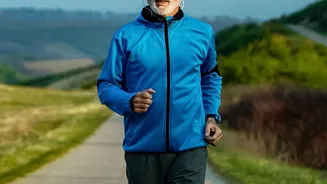
Timing and intensity are key to maximizing the benefits without disrupting digestion. Research suggests the ideal window for this walk is within 60 to 90 minutes after you finish your meal, which is when blood glucose levels tend to be at their highest. Some studies even point to walking immediately after eating as being highly effective. You don’t need a long or strenuous workout; in fact, a gentle pace is better. A brisk, 10-to-15-minute walk is enough to stimulate glucose uptake without diverting too much blood flow from your digestive system. High-intensity exercise can sometimes cause a temporary stress-related spike in blood sugar, making a light stroll the superior choice in this context.
Beyond Blood Sugar: Digestion and Muscle Relief
The benefits of a post-meal walk extend beyond glucose management. Gentle movement stimulates peristalsis, the wave-like muscle contractions that move food through your digestive tract. This can help alleviate feelings of bloating, gas, and indigestion that often follow a heavy meal. The headline also mentions relieving muscle strain through 'active recovery'. Walking is a classic form of active recovery, a low-intensity activity performed after a strenuous workout to help the body repair itself. It increases blood flow to tired muscles, which helps clear out metabolic waste products like lactic acid that contribute to soreness. So, if you’re feeling stiff from a gym session, a light walk after dinner can aid your recovery process by reducing muscle pain and improving flexibility.
How to Make It a Habit
Incorporating a new habit into your daily routine can be challenging, but the key is to start small and be consistent. Don't aim for a 30-minute power walk on day one. Simply commit to a five or ten-minute walk around your neighbourhood after dinner. In an office setting, a walk around the block after lunch is a great option. You can listen to a podcast, call a friend, or simply enjoy the quiet time. The easier you make it for yourself, the more likely you are to stick with it. Tying the new habit to an existing one—in this case, finishing a meal—is a proven strategy for success. Over time, as the walk becomes a natural part of your post-meal routine, you can gradually increase the duration if you wish.