








What is AI Home Design?
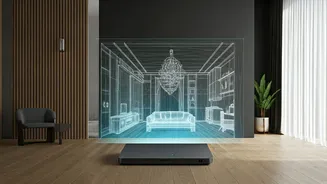
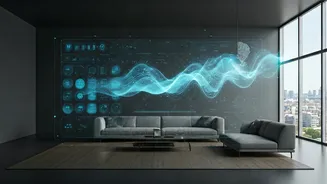
At its core, AI home design involves using artificial intelligence platforms to generate novel interior design concepts. Users type text descriptions—known as prompts—into tools like Midjourney, Stable Diffusion, or specialized apps like Interior AI.
You might ask for “a sun-drenched living room in the style of a Goan villa with minimalist furniture and terracotta pots” and, within seconds, the AI produces a stunningly realistic, and often fantastical, image. This isn't just a mood board. It's a bespoke visual creation, a glimpse into a home that exists only in digital space. The technology leverages vast datasets of images and architectural styles to synthesise new aesthetics, offering up everything from surrealist bathrooms to cosy, Scandinavian-inspired reading nooks that have never been seen before.
The Evolution of Inspiration
For years, Pinterest boards and glossy magazines were the go-to sources for home inspiration. This was a passive act of collecting and curating the work of others. AI design flips that script entirely. It turns the user from a curator into a co-creator. The skill is no longer just about having good taste, but about being able to articulate that taste in a language the machine understands. Crafting the perfect prompt—blending architectural terms, artistic movements, and specific moods—is a creative act in itself. This shift from curation to generation is fundamental. Instead of pinning a picture of a beautiful kitchen, you are now able to conjure up your own, tailored precisely to your imagination. The result feels deeply personal, even if a machine did the heavy lifting.
The Anatomy of the 'Flex'
So, why is this a “flex”? Because it signals a confluence of desirable modern traits. First, it demonstrates tech literacy and an early-adopter mindset. You’re not just using Instagram; you’re commanding a sophisticated AI. Second, it showcases a unique aesthetic vision. Your AI-generated designs are a direct reflection of your creativity and ability to think outside the box. It’s a way of saying, “Look at the beautiful world I can imagine.” Sharing these creations on social media isn't just for feedback; it's a performance of taste. Unlike flexing a Rolex, which is a pure display of wealth, flexing an AI design is a display of cultural and intellectual capital. It’s subtler, arguably more creative, and speaks to a very 21st-century definition of aspiration.
A Tool, Not a Threat
Naturally, the rise of AI-powered design tools has sparked debate within the interior design community. Is this the end of the professional designer? The consensus, for now, is no. Many seasoned designers are embracing these platforms as powerful new tools in their arsenal. AI can rapidly generate multiple layout options, colour palettes, and stylistic variations for a client, speeding up the initial brainstorming phase. It can help a client visualize an abstract idea far more effectively than a verbal description. The AI can generate a beautiful picture, but it can't manage a budget, source real-world furniture, understand the complexities of plumbing and electrical work, or navigate the delicate personal dynamics of creating a home for a real family. The AI is the sizzle; the human designer is still needed for the steak.
The Reality Gap
For the amateur user, the biggest challenge is bridging the gap between the digital dream and physical reality. The AI might generate a stunning, custom-curved sofa that doesn't actually exist, or a lighting fixture that defies the laws of physics. Materials may have a beautiful texture on screen but be impossible or prohibitively expensive to source. The process of translating an AI-generated image into a liveable, functional, and affordable space is where the real work begins. The images are a starting point—a powerful and inspiring one—but not a blueprint. The true flex might eventually be showing the AI image next to the real-life room you managed to successfully create, proving you have not just the vision, but also the resourcefulness to make it happen.