




More Than Just a Summer Treat
For generations, the mango has been revered in India, not just as a fruit but as an integral part of culture, history, and summer rituals. It signifies prosperity and is woven into folklore and family traditions. Now, this cultural icon is at the heart
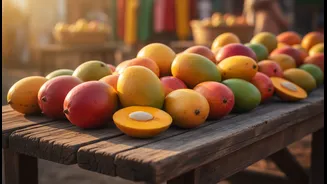
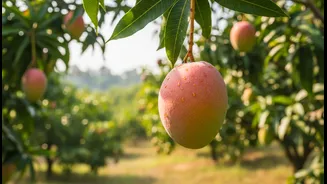
of a growing movement. Across the country, mango festivals, or 'aam mahotsavs', are evolving from simple markets into large-scale events. These gatherings are becoming crucial platforms that celebrate the fruit's diversity while fostering economic opportunities and creating unique travel experiences. They offer a space where the journey of the mango, from the orchard to the table, is shared and celebrated, turning a seasonal fruit into a full-fledged cultural and economic phenomenon.
A Direct Lifeline for Growers
Traditionally, small-scale mango growers often face challenges in accessing larger markets, relying on middlemen which can limit their profits. Mango festivals are changing this dynamic by creating a direct bridge between farmers and consumers. At events like the Delhi International Mango Festival or the UP Mango Festival in Lucknow, growers from states like Uttar Pradesh, Bihar, and West Bengal can showcase hundreds of varieties directly to thousands of visitors. This direct interaction not only allows them to secure better prices but also to build a reputation for their specific produce. Government-backed initiatives at these festivals are also pushing for better branding and exports, such as the new 'Kakori' brand for Malihabadi mangoes, aiming to give local varieties national and international recognition.
A Feast for Foodies and Culinary Explorers
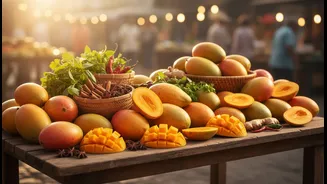
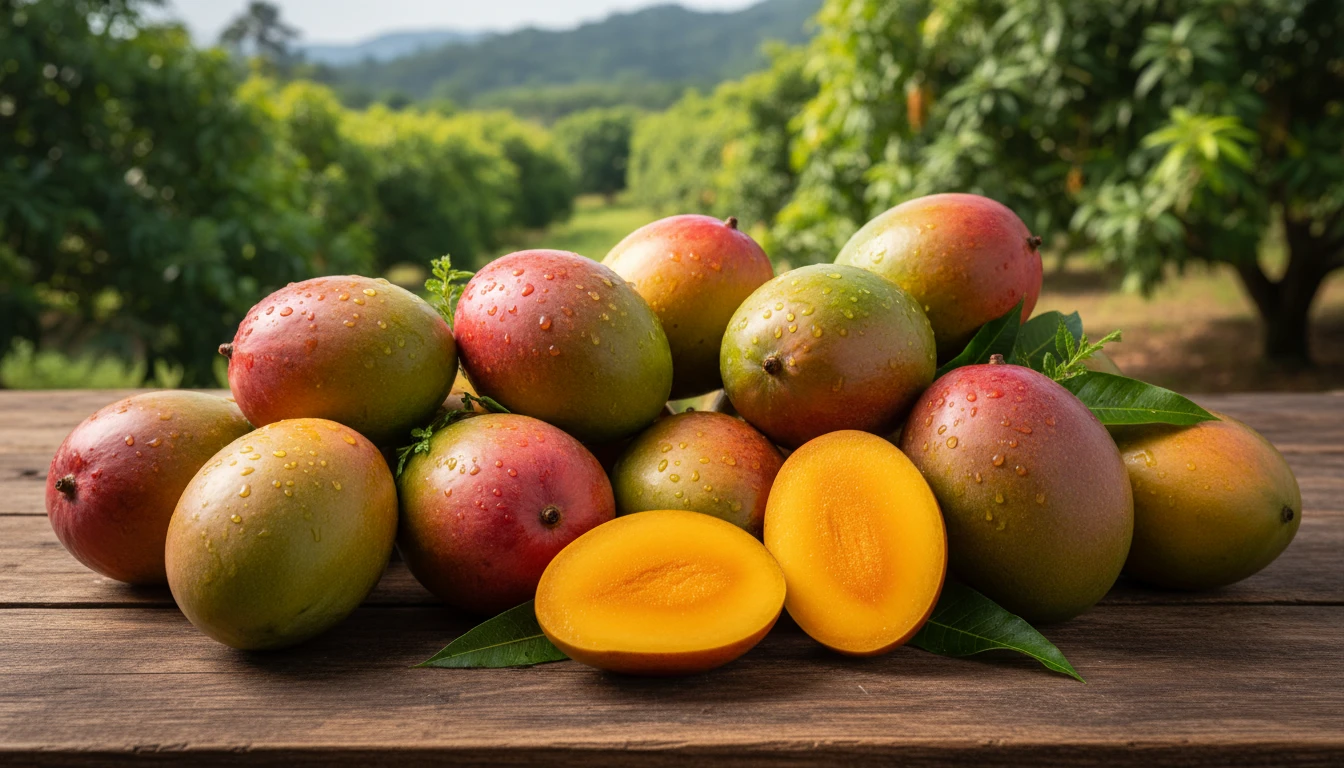
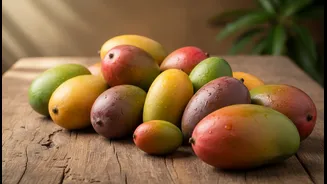
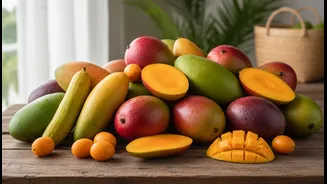
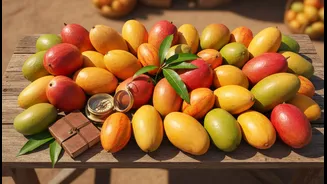
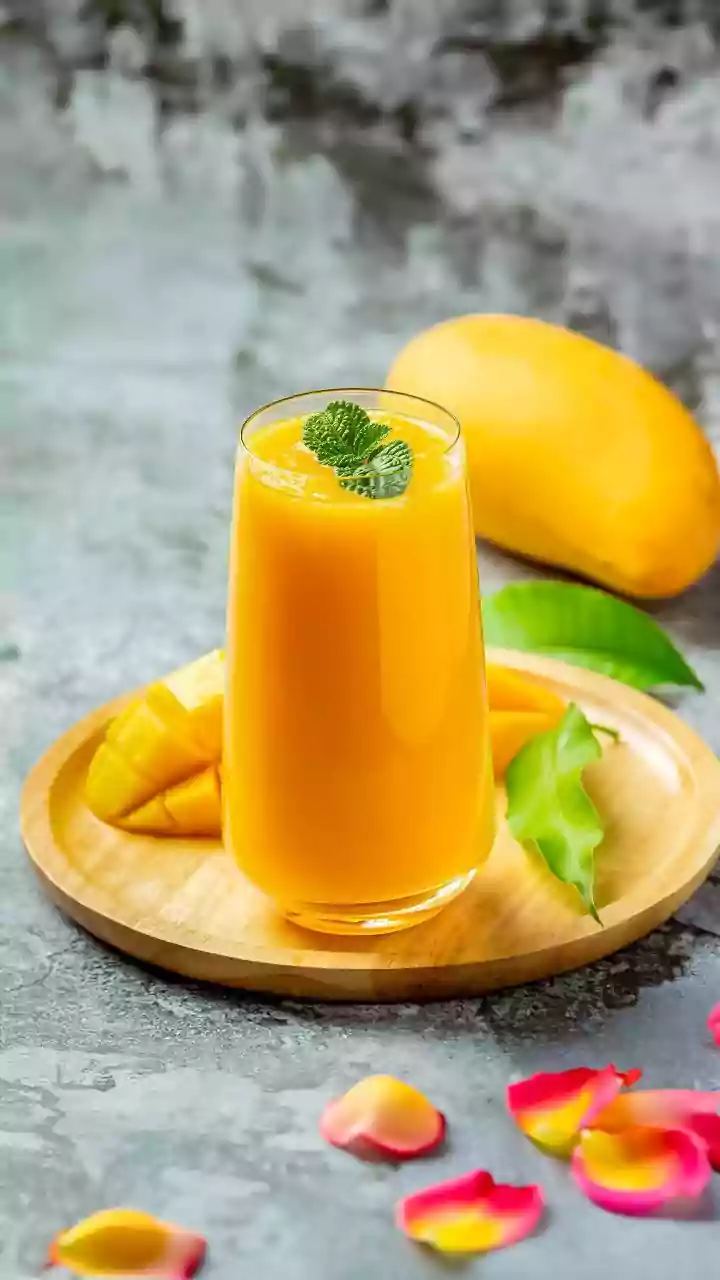
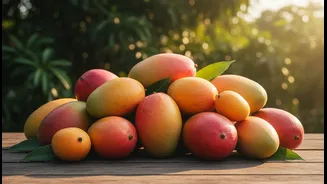
These festivals are a paradise for food lovers, going far beyond just tasting slices of fresh mangoes. They present an opportunity to explore the incredible diversity of India’s favourite fruit, with some festivals displaying over 500 varieties, from the tiny to the gigantic. Visitors can discover rare and heritage types like Kohitur, so delicate it has to be wrapped in cotton, or Himsagar, a favourite from West Bengal. Furthermore, the culinary creativity on display is immense. Stalls are filled with traditional and innovative mango-based products, including pickles, juices, chutneys, aam papad (mango leather), and even mango-infused main courses and desserts prepared by chefs from top hotels. This transforms the fruit from a raw product into a diverse culinary ingredient, celebrating regional food traditions.
The Sweet Rise of Mango Tourism
The enthusiasm for mangoes is now fuelling a niche travel trend: agri-tourism. Festivals are becoming destinations in themselves, drawing visitors from across the country and even internationally. In Delhi, the 35th annual Mango Festival at Dilli Haat has become a major event on the city's cultural calendar, with organisers positioning it as a key tourist attraction. In other regions, the experience is more rustic. The Lucknow Farmers Market organises its festival in an orchard, offering visitors orchard walks and a chance to pluck their own fruit. Initiatives like Hanu Reddy Mango Tourism near Chennai and orchard tours in West Bengal's Malda district invite travelers to connect with farming heritage, stay in rural settings, and experience the harvest season firsthand, creating an entire travel itinerary centered around the fruit.
A Celebration of Regional Identity
Ultimately, these festivals are a vibrant celebration of regional pride and identity. West Bengal's government, for example, organises a 'Bengal Mango Mela' in Delhi, specifically targeting the Bengali diaspora with GI-tagged favourites like Himsagar and Lakshmanbhog, alongside handlooms and cultural programs. Similarly, Haryana Tourism co-organises a mela in Pinjore, while Uttar Pradesh uses its festivals to showcase the state's position as a top mango producer. These events do more than just sell fruit; they sell a story of place, heritage, and community. They provide a platform where farmers are celebrated as 'annadatas' (food providers) and their produce becomes a source of shared cultural joy.