




Beyond the Trend: What is Circular Fashion?
Before diving into the 'how,' it's crucial to understand the 'what.' At its core, circular fashion is a regenerative system designed to minimise waste by keeping garments and materials in use for as long as possible. Unlike the traditional linear model
of 'take-make-dispose' that fuels fast fashion, the circular approach involves designing for durability, and encouraging reuse, repair, and recycling. It's about shifting from a culture of disposable trends to one that values the entire lifecycle of a garment, from its creation to its eventual end. This philosophy is gaining significant traction as awareness grows about the fashion industry's environmental footprint, which accounts for about 10% of global carbon emissions.
The Quest for Individuality
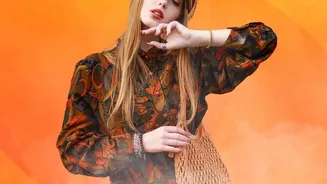
For many young Indians, the primary allure of vintage and thrifted clothing is the promise of standing out. In a world saturated with identical fast-fashion items, sourcing pre-loved garments offers a way to curate a truly personal style. The appeal lies in the “treasure hunt” for one-of-a-kind pieces—be it rare denim, a retro graphic tee, or a vintage accessory that tells a story. This desire for exclusivity and self-expression is a direct rebellion against mass-produced trends that often leave little room for authenticity. Secondhand is no longer seen as second-best; it has become a badge of honour, a symbol of unique taste and a rejection of the mainstream.
Sustainability as a Style Statement
Beyond aesthetics, a powerful motivator for this shift is a growing environmental consciousness among India's youth. Generation Z, in particular, is more aware of and concerned about issues like textile waste, water pollution, and the ethical implications of fast fashion. Choosing secondhand is an active way to participate in a circular economy, extending the life of clothes and preventing them from ending up in landfills. This conscious choice transforms a simple purchase into a statement. It reflects a set of values where sustainability is not just a buzzword but an integral part of one's identity and lifestyle.
The New Marketplace: From Flea Markets to Instagram Feeds
The way young Indians access vintage clothing has evolved dramatically. While traditional flea markets in cities like Delhi and Mumbai remain popular, the thrift movement is now largely powered by social media. Instagram, in particular, has become the epicentre of this trend, hosting thousands of digital thrift stores. Run by young entrepreneurs, these curated pages offer a boutique-like experience, with styled photos and timed 'drops' that create excitement. Stores like Bombay Closet Cleanse, MIRINWON, and Threadripper have built strong communities by offering everything from Y2K fashion to upcycled creations, making sustainable shopping more accessible and appealing than ever.
Dismantling Old Stigmas, Building New Businesses
Historically, wearing second-hand clothes in India often carried a stigma. However, the current thrift culture, championed by urban youth, is successfully recasting it as a trendy and conscious choice. This shift is also creating entrepreneurial opportunities. Many young people are turning their passion for thrifting into small businesses, navigating everything from sourcing stock to marketing on social media. While for some it's a side hustle born from a need for flexible work, for others it's a full-fledged venture. This blend of entrepreneurship and sustainability is a defining feature of India's burgeoning circular fashion economy.