


The Symphony in Your Mouth
Think about the last truly great thing you ate. Was it just one note? Or was it a complex interplay of sensations? Maybe it was the crisp, shattering crust of a fried chicken giving way to juicy meat, all slathered in a creamy, tangy sauce. Or a chaat
where crunchy sev, soft potatoes, cool yoghurt, and a sharp tamarind chutney all collide in one perfect bite. This is the new frontier of deliciousness. Chefs and home cooks alike are moving beyond the simple quartet of sweet, salty, sour, and bitter. They are embracing a new vocabulary where texture is just as important as taste. ‘Mouthfeel’ is no longer a niche term for food scientists; it’s the secret ingredient that turns a good meal into an unforgettable one. It’s the difference between a boring salad and one packed with toasted nuts, creamy avocado, and a zesty dressing.
Why We Crave the Contrast
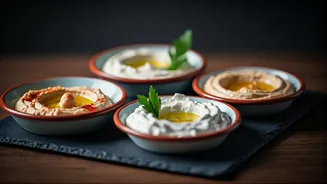
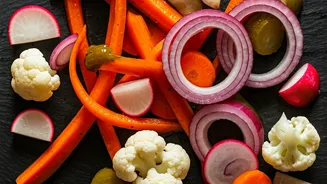
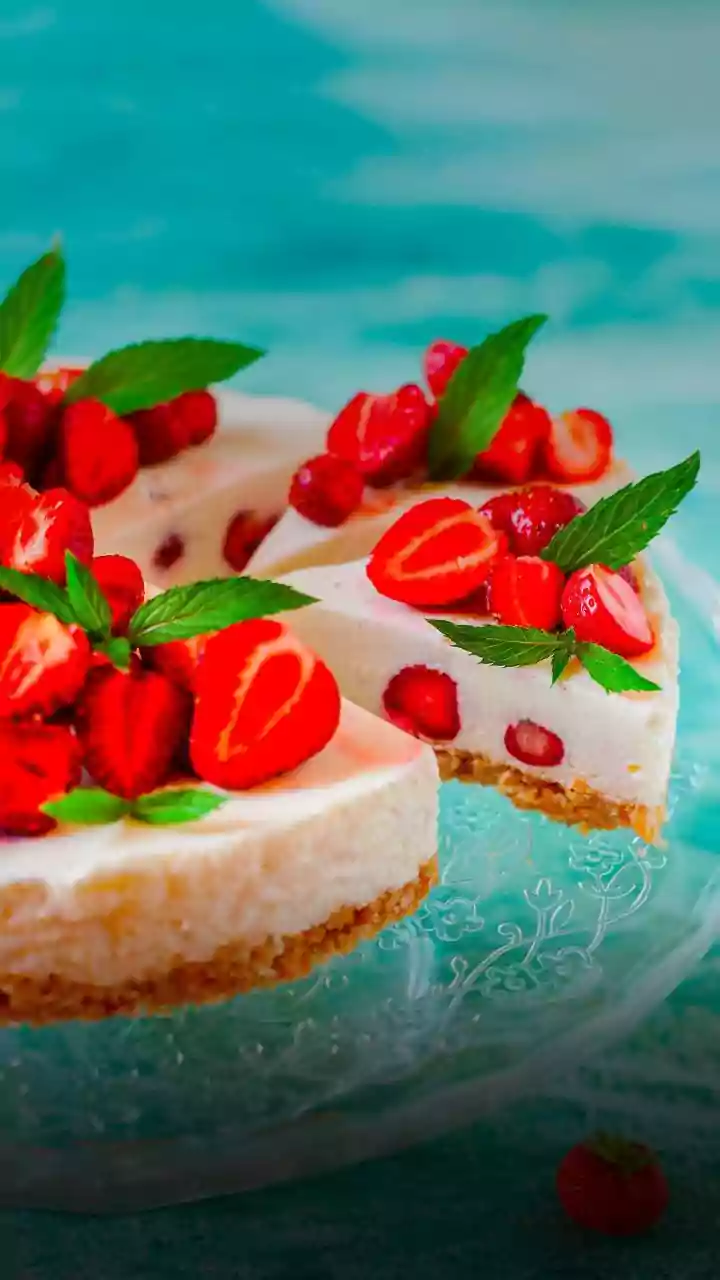
Our obsession with texture isn’t random; it’s wired into our psychology. Crunchiness, in particular, holds a special place in our hearts (and mouths). Psychologically, we associate a cracking or snapping sound with freshness and quality. Think of a crisp apple, a fresh papad, or perfectly fried chips. That auditory feedback tells our brain that what we’re eating is good. Food scientists call this the ‘sonic dimension’ of eating. But it’s not just about the crunch. The contrast is key. The smooth, velvety feel of creaminess—found in cheese, yoghurt, or a rich gravy—signals indulgence and comfort. When paired with something crunchy, it creates a satisfying dynamic that prevents palate fatigue. The brain loves novelty, and a dish that offers multiple sensations in one go keeps it engaged and wanting more. Tang, that bright, acidic kick from ingredients like lime, vinegar, or fermented foods, acts as a palate cleanser, cutting through richness and making every bite feel fresh and exciting.
The Social Media Effect
You can’t talk about modern food trends without mentioning Instagram and TikTok. These platforms have turned eating into a visual and auditory performance. The ‘cheese pull’ from a slice of pizza, the slow-motion drip of honey over a dessert, and, most importantly, the ASMR-worthy ‘crunch’ of someone biting into fried food are all forms of food porn that have shaped our desires. A dish that just tastes good is no longer enough; it has to look good and sound good, too. This has pushed restaurants and cafes to design food that is inherently multi-sensory. Think of loaded fries overflowing with sauces and toppings, ramen bowls with their mix of soft noodles, crisp greens, and a creamy egg, or Japanese sandos with their fluffy bread and crunchy katsu cutlet. These dishes are practically made for the camera, and their popularity online directly translates to queues outside cafes.
From Street Food to Fine Dining
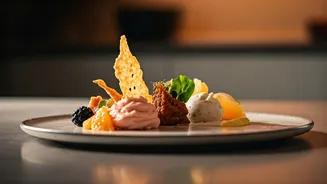
This trend isn’t confined to a particular type of cuisine or price point; it’s happening everywhere. India’s street food has always been a masterclass in texture and flavour play. The humble pani puri is a perfect example of crisp, crunch, liquid, and tang all at once. What’s new is how this philosophy is being adopted and elevated. We're seeing gourmet bhel puri with exotic vegetables and artisanal chutneys, and deconstructed samosas in fine-dining restaurants. Chefs are using techniques like foams, gels, and soils to introduce surprising textures. A dish might feature a smooth vegetable puree topped with ‘soil’ made from dehydrated olives and crispy breadcrumbs, alongside a tangy vinaigrette. It's a playful, intelligent approach to cooking that respects our innate desire for food that is not just nourishing, but also entertaining and fun.
The Global Pantry in Your Kitchen
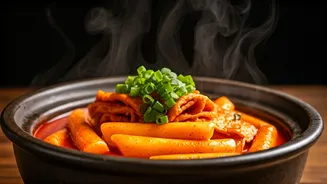
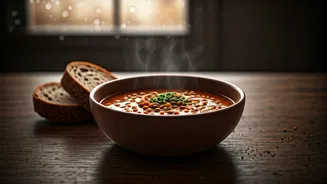
Perhaps the most exciting part of this trend is how accessible it has become for the home cook. The modern Indian kitchen is increasingly a global pantry. Panko breadcrumbs from Japan offer a lighter, crispier crunch than traditional breadcrumbs. Gochujang from Korea provides a complex sweet, savoury, and spicy tang. Sriracha, tahini, and a dozen varieties of cheese are now staples, not novelties. This allows us to easily incorporate these elements into our daily meals. A simple dal can be elevated with a crunchy tadka of fried garlic and nuts. A basic sandwich becomes a gourmet experience with a tangy aioli and some crispy lettuce. We are all becoming culinary artists, layering flavours and textures to create our own little symphonies, making everyday food just a little more fun.