








What Exactly Happened?
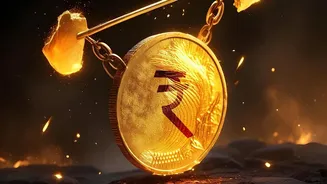
On October 7, 2026, the RBI's Monetary Policy Committee (MPC) unanimously decided to increase the policy repo rate by 25 basis points (0.25%) to 5.50%. This is the first such hike since February 2023, ending a long period of holding rates steady to support
economic recovery. Alongside the rate hike, the RBI changed its policy stance from 'neutral' to 'calibrated tightening', a clear signal that the era of cheaper money is drawing to a close and that rate cuts are off the table for the near future.
Decoding the Jargon
So, what do these terms mean? The 'repo rate' is the interest rate at which the RBI lends money to commercial banks. Think of it as the cost of funds for banks. When the repo rate goes up, it becomes more expensive for banks to borrow from the central bank. 'Calibrated tightening' is the RBI's way of saying it will increase rates in a measured and gradual manner, rather than implementing aggressive, back-to-back hikes. This stance indicates that while the focus has shifted to controlling inflation, the RBI will be cautious, observing the economic impact of each hike before deciding on the next.
Why the RBI Made This Move
The primary reason for this rate hike is rising inflation. The RBI's main job is to keep prices stable, with a target inflation rate of 4%. While inflation has been within the RBI's tolerance band of 2-6%, recent data shows it has become more broad-based and persistent, rising to 4.82% in August. The RBI has revised its inflation forecast for the financial year 2026-27 to 5.2%. Factors like elevated global crude oil prices, geopolitical tensions in West Asia, and potential supply disruptions have increased the risk of inflation spiraling, prompting the central bank to act preemptively.
The Impact on Your Loans and EMIs
This is where the policy hits home for most people. For those with floating-rate loans, such as home loans or auto loans linked to an external benchmark like the repo rate, EMIs are set to rise. As banks' borrowing costs increase, they will pass this on to customers. For example, a 0.25% increase on a Rs 50 lakh home loan could increase the monthly EMI by over Rs 600. Lenders might also offer to extend the loan tenure instead of increasing the EMI, which provides short-term relief but results in paying more interest over the life of the loan.
A Silver Lining for Savers
While borrowers may feel the pinch, there's good news for savers. A rising interest rate environment typically leads to higher rates on fixed deposits (FDs). As banks look to attract more deposits to fund credit growth, they will likely start offering more attractive interest rates on new FDs and renewals. This won't happen overnight or uniformly across all banks, but the trend is positive for those looking to park their savings. However, the interest rates on existing fixed deposits will remain unchanged until maturity.
What to Expect Next
The RBI Governor, Sanjay Malhotra, has indicated that future policy actions would likely be either another rate hike or a pause, depending on how inflation and growth dynamics evolve. The 'calibrated tightening' stance suggests that more hikes could be on the horizon, especially if inflation remains sticky or global risks intensify. The central bank also upwardly revised its GDP growth forecast for the year to a strong 7.1%, giving it the confidence that the economy is resilient enough to absorb this monetary tightening without derailing growth.